





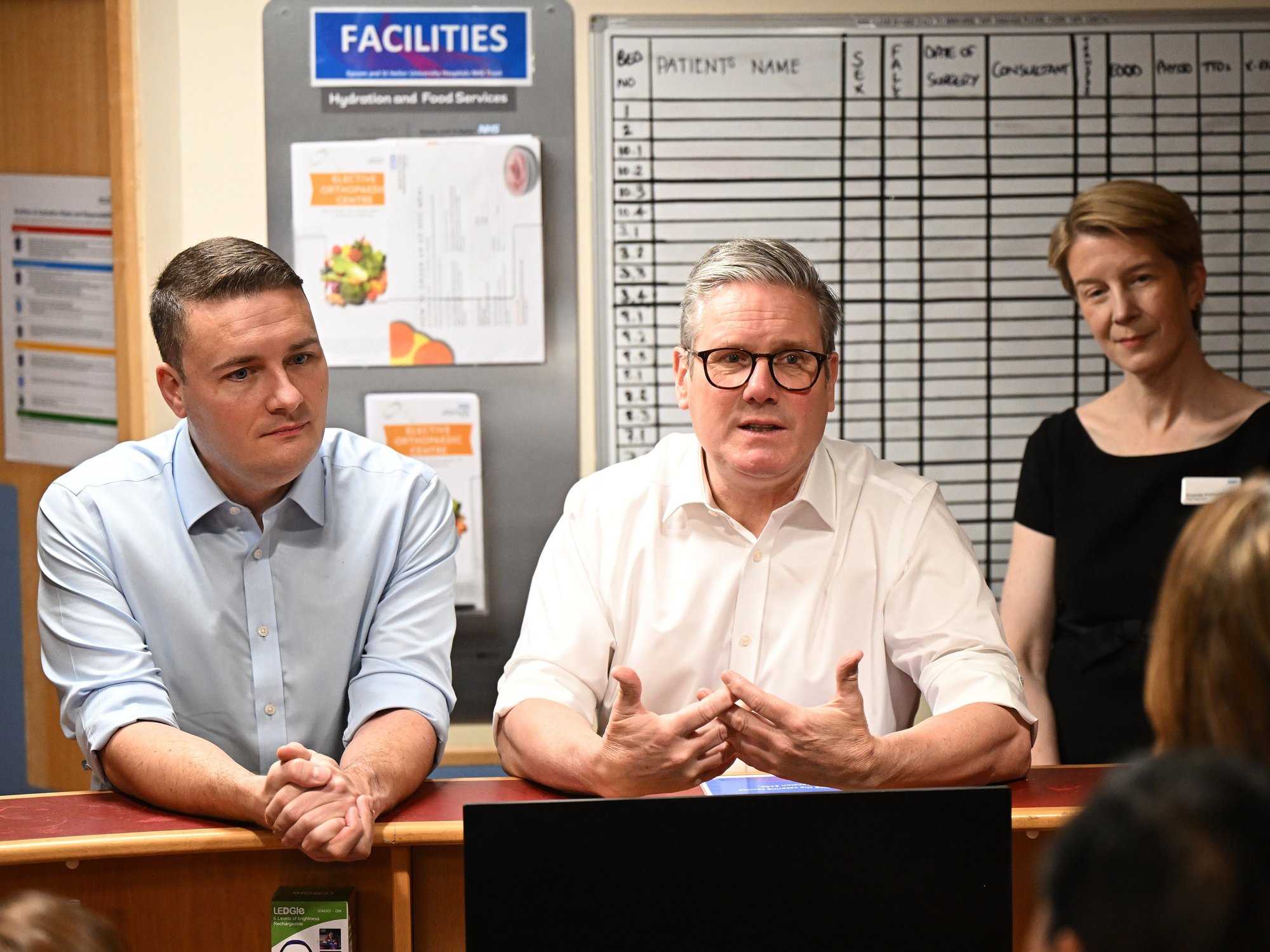




Ministers have commissioned an independent inquiry into how bank branch closures are affecting communities across Britain, with Richard Lloyd OBE appointed to lead the investigation.
The Access to Banking Review will collect evidence on the real-world consequences of branch network reductions and determine which groups face the greatest difficulties accessing services.
Mr Lloyd is expected to deliver his findings and recommendations by October 2026. The initiative accompanies the Enhancing Financial Services Bill, announced in the King's Speech, which will grant the Treasury authority to intervene rapidly should the evidence demonstrate that action on banking access is warranted.
Retail banking habits have shifted considerably, with growing numbers of customers opting for online services, prompting financial institutions to restructure their physical presence.
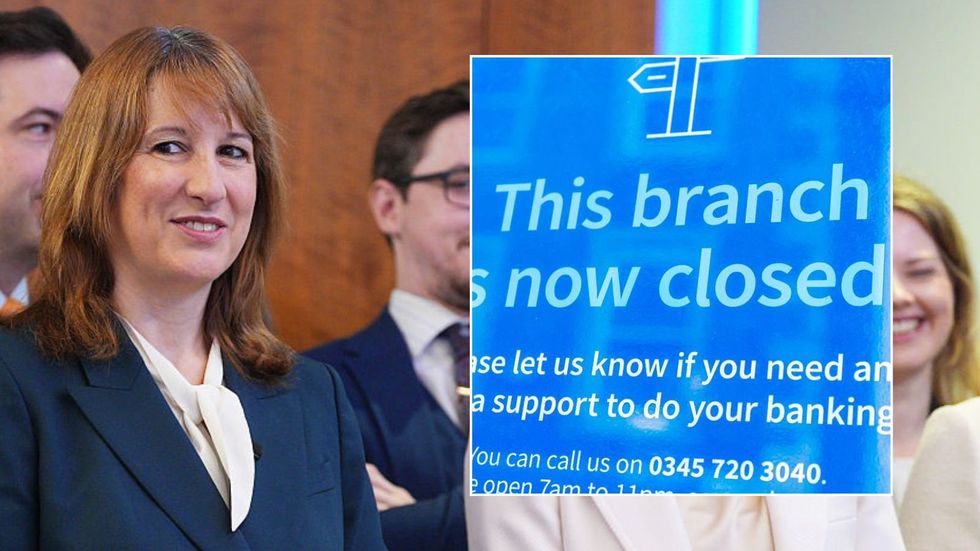
The Treasury has launched a probe into bank branch closures
|GETTY
However, this transformation may be creating obstacles for those who depend on face-to-face banking.
Lucy Rigby, an economic secretary to the Treasury, said: "Banking services are a really important part of lives and communities, and it's critical we can all access what we need whether through local banking services or strong community-based alternatives like credit unions."
Ms Rigby emphasised that while the Government backs the industry's expansion of banking hubs, a clearer understanding is needed of where communities remain underserved.
She added: "This independent Review will show us where the problems are and what further action may be required and we will move quickly to legislate where the evidence shows it is needed."
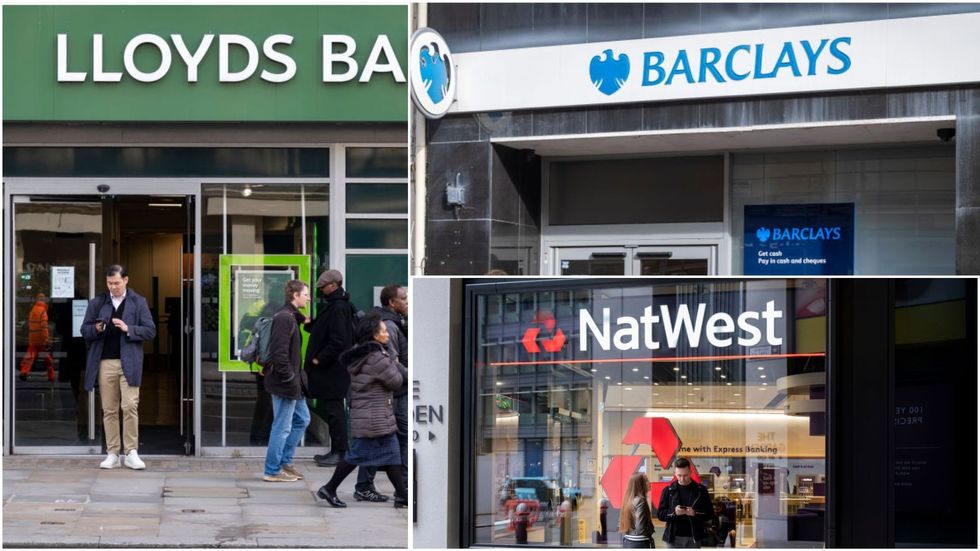
Has your bank closed down?
| GETTY /PALATEST DEVELOPMENTS
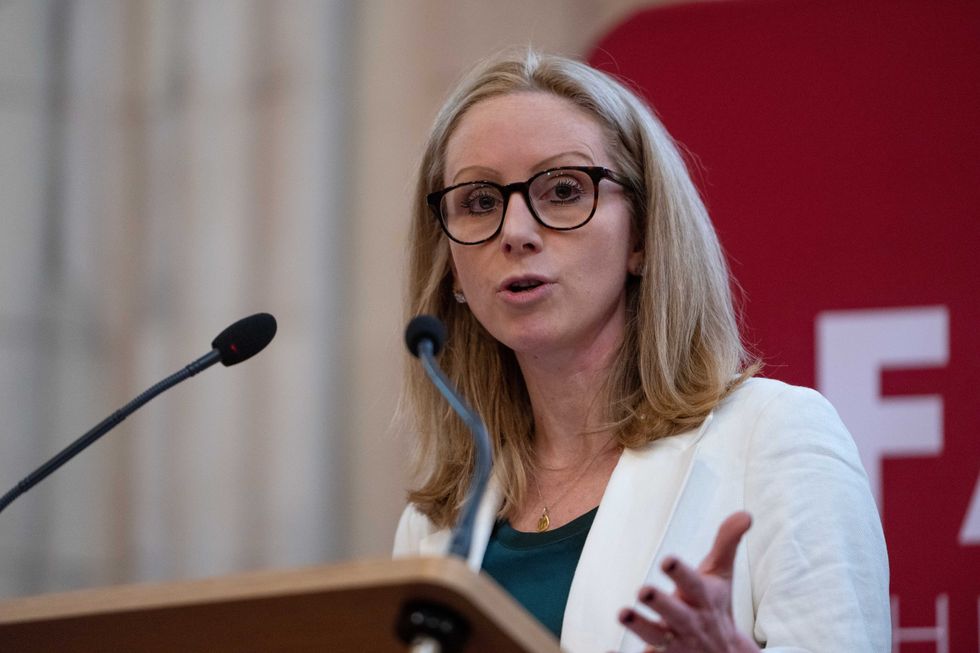
Treasury Minister Lucy Rigby announced the review
| GETTYMr Lloyd brings substantial regulatory and consumer advocacy credentials to the role, having previously served as a non-executive director and interim chair of the Financial Conduct Authority, as well as leading Which? as its executive director.
He currently chairs the Independent Parliamentary Standards Authority and played a key role in the Access to Cash Review, whose recommendations influenced subsequent legislative changes and regulatory powers, whilst encouraging industry solutions, including banking hubs.
The review's chair said: "Banking is an essential service that every consumer and community in the UK needs. That's why it's so important to take stock of the impact that the big shift to digital services has already had, and to understand the need for access to in-person banking in the future."
He welcomed the Treasury's readiness to pursue new legislation should the review's findings support such measures.
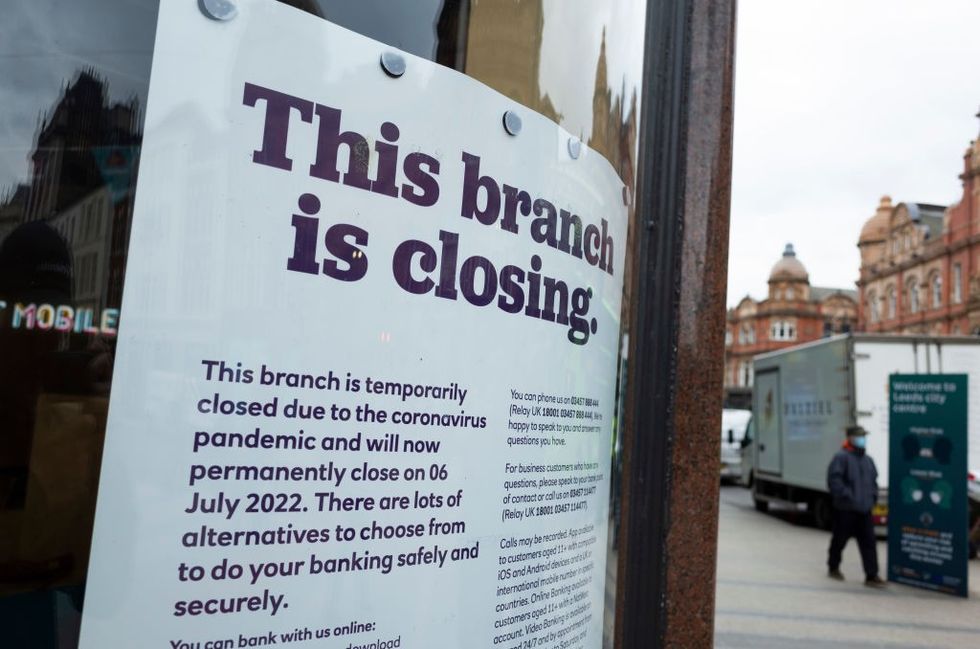 Bank branch closures are continuing at an 'alarming rate', according to Which? | GETTY
 Cash Access UK chief executive Gareth Oakley noted that his organisation has established 237 banking hubs and more than 140 deposit services to date, with 95 per cent of customer needs being met at these facilities: "Nearly 9 in 10 customers would recommend Hub services to family and friends."
Sarah Harrison, chief executive of the Building Societies Association, highlighted that building societies and credit unions operate more than one in three high street branches and remain embedded in local communities.
The legislation will also advance credit union common bond reforms first announced in March, enabling these institutions to expand their membership more easily across Great Britain.
Matt Bland, chief executive of All Together Money, described the reforms as "a significant step forward" that will remove barriers to growth and help credit unions reach more people with affordable financial services.