










Many people give up on their diet the moment their cravings become hard to ignore. And while calorie control may seem manageable at the beginning of the day, abstinence becomes increasingly difficult as the hours pass.
But not all weight loss results from rigid abstinence. As long as a calorie deficit exists in your diet, physical changes will follow.
Registered dietitian and nutritionist at Dietitian Live, Janelle Bober, says it is possible to eat more food and still lose weight.
"It depends on the type of food, as well as your nutrient needs and energy output," she told GB News.
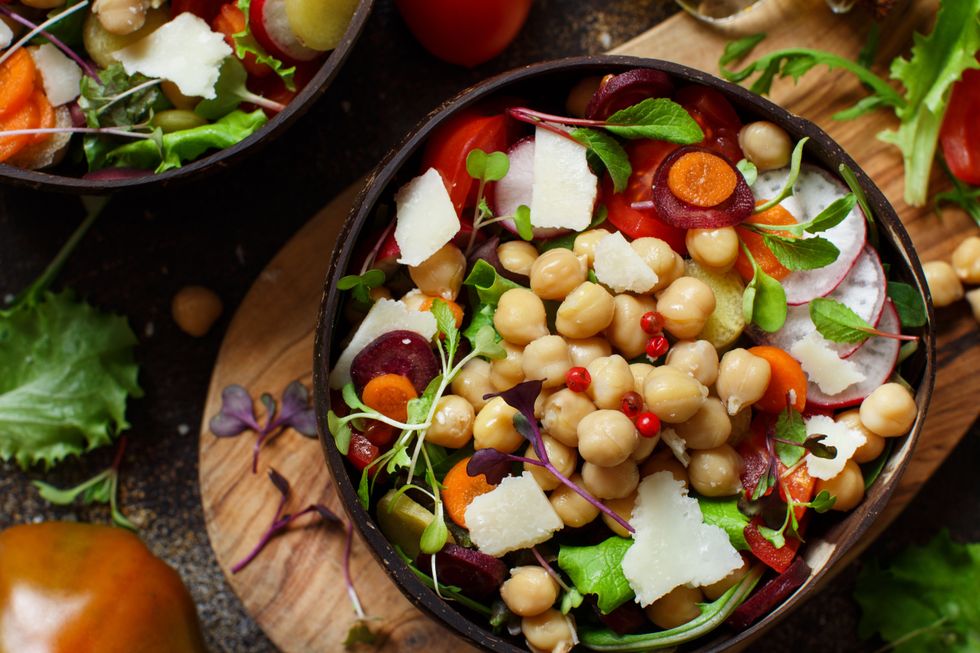
Vegetables can be enjoyed in generous amounts while keeping calories low
|GETTY
"Are you exercising regularly? What does that look like? What types of foods are you choosing? More protein-based foods or fibrous carbohydrates like vegetables and fruits? It really does depend on what you’re adding in.
"Most people who are looking to lose weight are in a calorie deficit that is too large for their energy output, which puts them in a state of starvation and does not allow the body to naturally lose weight."
Picking the right foods is absolutely crucial when upping portions, so it's worth paying close attention to what you're piling on your plate.
"It is possible to eat more, and you probably should eat just a little bit more to lose weight and get to a point where it’s very sustainable and comfortable for your activity levels," Janelle said.
LATEST DEVELOPMENTS:
"The foods that allow you to eat larger portions while staying in a calorie deficit are low-calorie-dense foods - things like leafy greens, broccoli, cabbage, carrots, bell peppers, anything that is not a potato, corn or peas."
These vegetables can be enjoyed in generous amounts while keeping calories impressively low.
While fruits work too, the dietitian notes their sugar content means vegetables are the better choice.
"Other options include whole grains, especially those with added fibre and protein," Janelle added.
"Something like quinoa is something you can eat a larger portion of compared to white rice and remain in a calorie deficit."
Why is restriction unsustainable?
The issue with restriction is that most people find that their body is unable to function properly.
"We hold on to nutrients, so we’re not able to actually lose weight," Janelle explained, adding that there are further pitfalls that can trip people up.
"Even if you’re eating healthy, it might not mean you actually change what’s going on," she said.
In other words, simply swapping to healthier meals won't necessarily shift the scales if everything else stays the same.
"Some habits might work for you but not for somebody else, so it’s important to make recommendations specific to you," Janelle continued.

'Some habits might work for you but not for somebody else'
|GETTY
This is why it's crucial to find a comprehensive strategy that goes beyond just changing what's on your plate.
"You always need to eat enough to meet your baseline - you shouldn’t restrict past that - and you should have a wide variety," Janelle noted.
"You also need to stay hydrated. If you’re not hydrated, it’s very difficult to see the changes you’re implementing, even if you are eating healthy.
"Take a multifaceted approach, add in more veggies, give yourself space to have more calories, especially when you’re exercising, and speak with a dietitian whenever you feel stuck."
Our Standards: The GB News Editorial Charter