










Many Britons assume that sugary treats primarily cause blood sugar spikes, but this widely held belief overlooks a significant dietary reality.
Combining the right foods on your plate, however, could be the key to avoiding unwanted blood sugar spikes, according to a leading nutrition expert.
SCOPE-Certified Dietitian at Phlo Clinic, Hazel Shore, has explained how strategic meal composition can help regulate glucose levels throughout the day.
"When you eat carbohydrates on their own, they are digested quickly, which can lead to sharp rises in blood sugar," Shore told GB News.
TRENDING
Stories
Videos
Your Say

Portion control is crucial for blood sugar, even when making healthier choices
|GETTY
"However, combining them with fibre, protein or healthy fats slows digestion and allows glucose to enter the bloodstream more gradually, helping to prevent sudden spikes."
The dietitian offered practical examples, noting that plain toast is far more likely to trigger a rapid glucose increase than toast topped with eggs, peanut butter or avocado.
And while many assume sugary treats are the primary culprits behind glucose fluctuations, numerous savoury items can prove equally problematic.
"When we talk about blood sugar spikes, it's easy to focus on sugary foods. But in reality, your body can break down many savoury foods into glucose just as quickly," Shore explained.
The dietitian identified several common kitchen staples that catch people off guard, including white bread, bagels, wraps, white rice, and white pasta.
All rank among the most significant offenders, elevating blood glucose more quickly than their whole-grain counterparts.
Instant mashed potatoes, crisps and oven chips also trigger faster rises than many expect.
Perhaps most surprisingly, certain snacks marketed as healthy options, including rice cakes and crackers, prompt sharp glucose increases due to their refined starch content and minimal fibre.
LATEST DEVELOPMENTS
The explanation lies in how these foods are manufactured, as refined starch refers to grains that have had their fibre-rich outer layers stripped away during processing.
"Fibre normally slows digestion and the release of glucose into the bloodstream. When it's removed, the starch is broken down more quickly, which can lead to a faster rise in blood sugar," Shore noted.
The cooking and processing methods applied to these foods further compound the issue. These techniques break down the starch structure, rendering it considerably easier for the body to digest and absorb.
This means that even foods which appear wholesome on the surface can deliver glucose into the bloodstream at a pace comparable to confectionery, catching health-conscious consumers unawares.
For those seeking to manage their glucose levels, Shore recommends several straightforward substitutions that need not compromise on taste.
"Instead of white rice, try basmati or brown rice, or mix your rice with lentils or beans," she advised, explaining that basmati contains higher amylose content, which the body processes more slowly.
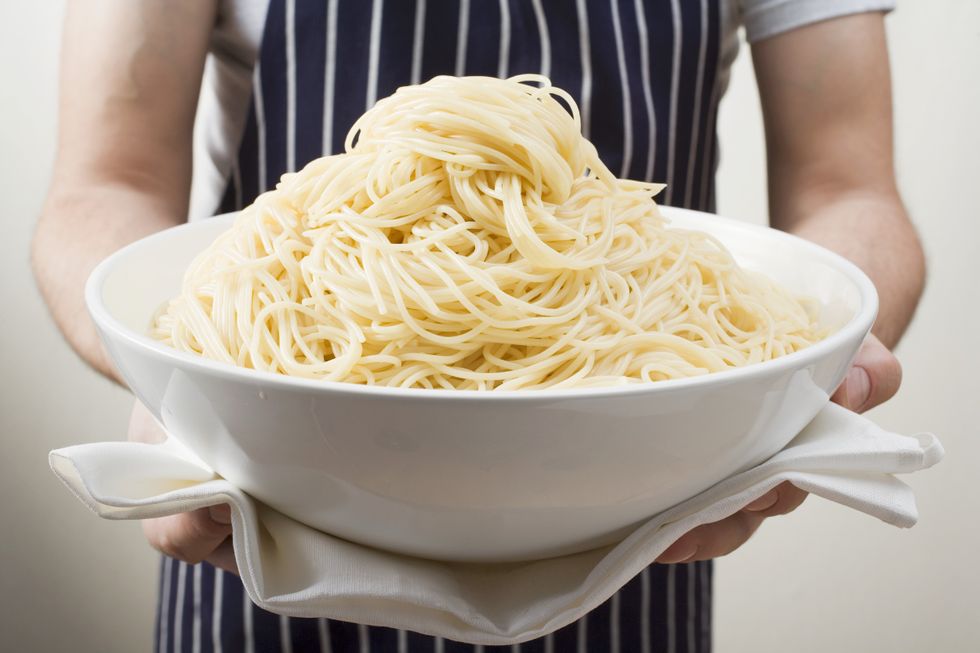
Portion control is crucial for blood sugar, even when making healthier choices
|GETTY
When preparing potatoes, retaining the skins boosts fibre intake considerably. Cooling cooked potatoes before eating can also increase resistant starch, further moderating glucose response.
Wholegrain, seeded or sourdough bread varieties offer steadier effects compared to standard white loaves.
Shore explained that portion control remains crucial, even when making healthier choices. Large portions of nutritious foods can cause blood sugar to rise significantly because they still contain carbohydrates that are broken down into glucose.
Pairing carbohydrate-rich dishes with vegetables, protein or healthy fats helps maintain stable blood glucose while ensuring meals remain satisfying.
Our Standards: The GB News Editorial Charter