




Solihull Metropolitan Borough Council has launched a new road safety campaign aimed at tackling dangerous driving habits to encourage motorists to take greater care around vulnerable road users.
The campaign, funded by the Department for Transport's Safer Roads Fund, focuses on local road offences, including speeding, using mobile phones while driving, and failing to give enough space to cyclists and pedestrians.
The initiative has been designed to remind drivers that small mistakes can have serious and sometimes life-changing consequences.
Council leaders explained that the campaign is about changing behaviour rather than introducing new fines or restrictions, with messages centred on personal responsibility and awareness.
TRENDING
Stories
Videos
Your Say
The initiative by the Conservative-led council follows months of local research, including surveys and focus groups with residents of Solihull.
The research found a worrying concern about excessive speed, distracted driving and a lack of consideration for people most at risk, including children, older residents, cyclists and pedestrians.
Although the campaign focuses on education, the council has stressed that UK road safety laws already carry severe penalties for those who break them.
Under existing law, motorists who commit offences such as dangerous driving or careless and inconsiderate driving can receive fines, penalty points or be banned from driving.
Solihull Council has launched a safety campaign targeting dangerous driving
| PA/GETTYUsing a mobile phone while behind the wheel can result in a £200 fine and six penalty points, while driving under the influence of drink or drugs can lead to a driving ban, an unlimited fine and even prison sentences.
In the most serious cases, causing death by dangerous driving carries a maximum sentence of life imprisonment, along with an extended driving ban.
The Highway Code also places legal responsibilities on cyclists, with riders needing to obey traffic lights and road signs. Failure to comply can lead to prosecution, which may result in hefty fines and court action.
The campaign comes at a time when cycling has increased significantly across the UK, with official figures showing a 96 per cent increase in traffic between 2004 and 2020.
LATEST DEVELOPMENTS
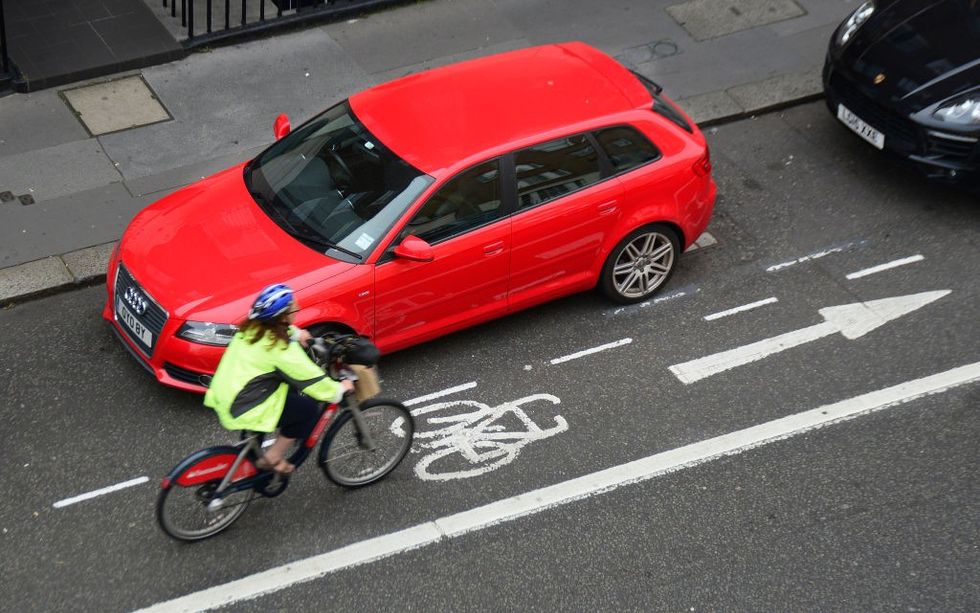 Thousands of cyclists are seriously injured across the UK every year | GETTY
However, this growth has also been accompanied by a rise in serious injuries, with 141 cyclists killed and 4,215 seriously injured in road collisions in 2020.
Data from the Government's THINK! road safety campaign revealed that collisions involving HGVs account for a larger-than-expected number of fatal cycling accidents, particularly at left-turn junctions where cyclists can be caught between vehicles and the kerb.
These figures prompted key Highway Code changes in 2022, with motorists now instructed to give cyclists at least 1.5 metres of space when overtaking on roads with speed limits of 30mph, and even more space at higher speeds.
Councillor Ken Hawkins, Cabinet Portfolio Holder for Environment and Infrastructure, said the campaign focuses on empathy and the real consequences of poor decisions behind the wheel.
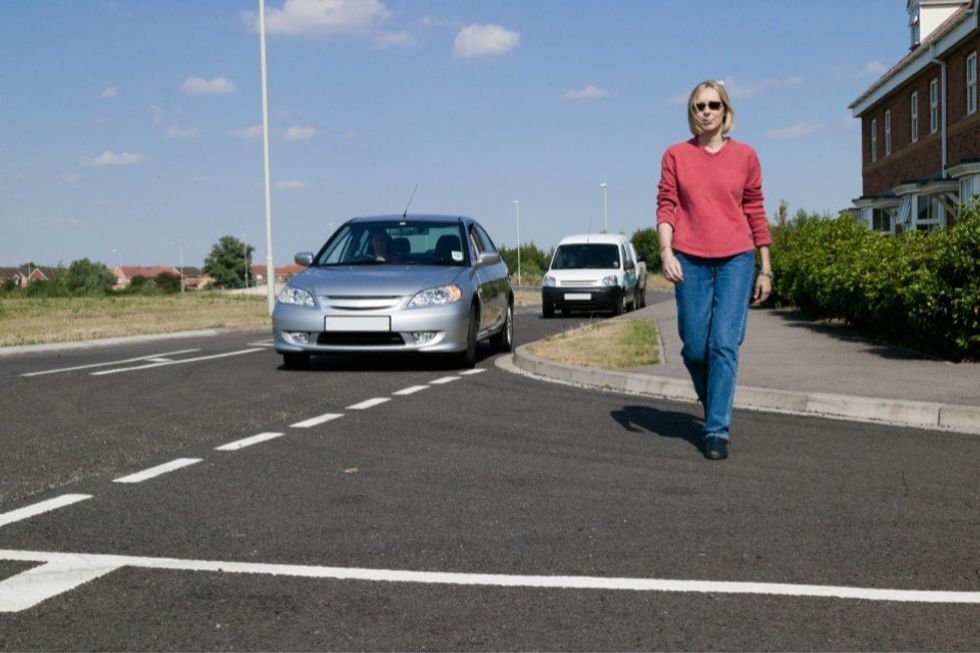 The Highway Code was updated in 2022 to improve safety for pedestrians and cyclists | DEPARTMENT FOR TRANSPORT
He said: "Everyone has a part to play in preventing collisions and making all of Solihull's roads safer. The messages of this campaign focus on empathy and real-life consequences, showing how small changes in driver behaviour can make a big difference.
"With this campaign, we make it clear that each driver can help prevent collisions by being mindful of all road users.
"The consequences of careless driving can be felt by many, but it can just take one person's change in behaviour to prevent a tragedy."
Department for Transport figures detailed how distraction, speeding and failing to look properly were among the leading causes of serious road collisions nationwide.