








State pension age increases "more than doubled relative income poverty" among older Britons, economists have warned.
The state pension age will begin its ascent from 66 to 67 starting next month, with the transition completing by early 2028.
This policy shift, first announced in 2011 and passed into law three years later, came as part of broader spending reductions following the 2010 general election and responded to projections of increasing life expectancy.
According to the Office for Budget Responsibility (OBR), the change represents a significant fiscal measure, with estimated savings of approximately £10billion by the decade's end compared to maintaining the current threshold.
State pension age increases 'more than doubled income poverty'
|GETTY
The Institute for Fiscal Studies (IFS) describes the increase as "a key policy lever for controlling the rising costs of the state pension system as the population ages." Evidence from previous pension age increases suggests that relatively few people adjust their working lives in response.
When the threshold rose from 65 to 66, employment rates among 65-year-olds climbed by roughly 10 percentage points.
Heidi Karjalainen, a senior research economist at the IFS, noted that "about one in 10 people respond to an increase in the state pension by working more, but most do not".
Research indicates that those who do extend their careers typically remain in positions they already hold rather than securing new employment or returning to work after a period away from the labour market.
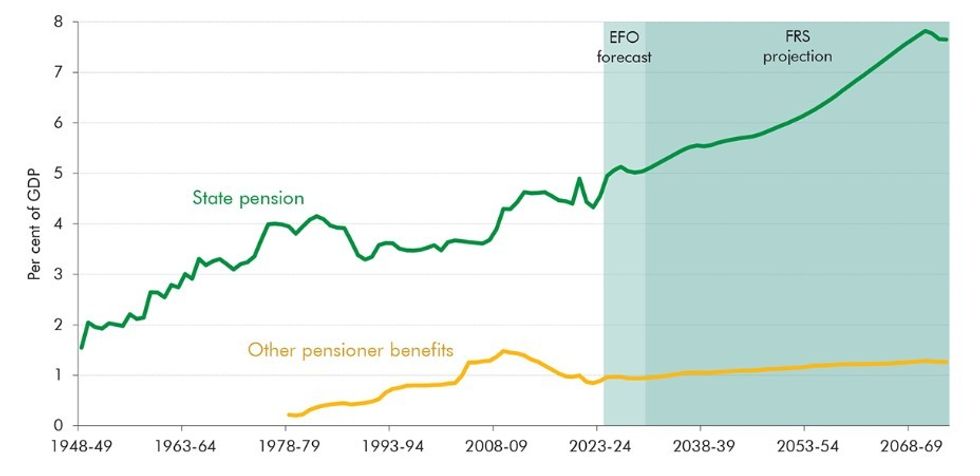 How much will the state pension triple lock cost the British taxpayer? | OBR
 LATEST DEVELOPMENTS
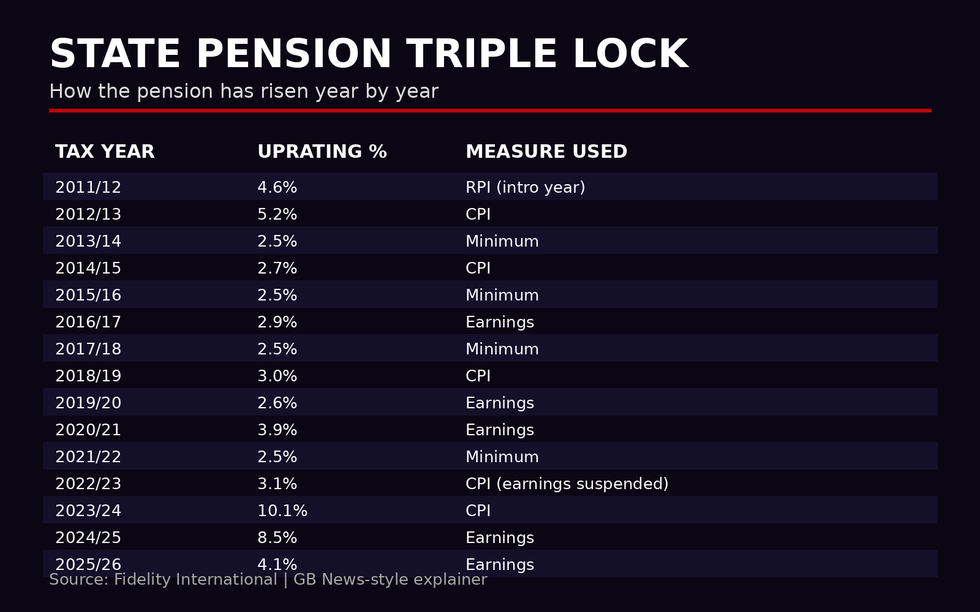 How much has the state pension risen by thanks to the triple lock? | GB NEWS / FIDELITY INTERNATIONAL
 For the majority of those affected, the primary consequence is simply a postponement of their pension payments, which reduces household income during the waiting period.
The previous rise from 65 to 66 saw relative income poverty among the affected cohort surge from 10 per cent to 24 per cent following implementation.
Ms Karjalainen observed that "the increase in the state pension age from 65 to 66 more than doubled the relative income poverty rate among the affected group".
The upcoming change may produce comparable outcomes, though the scale could vary given that employment rates decline sharply among those in their mid-60s.
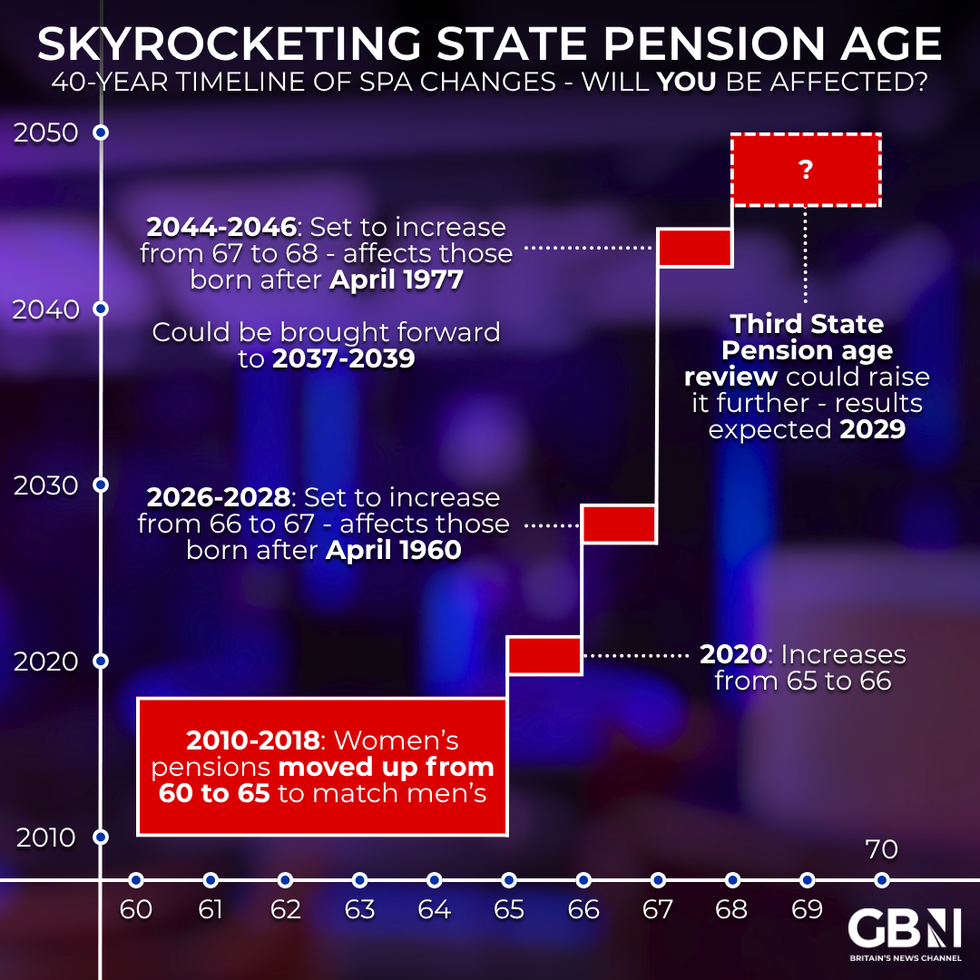 Are you affected by state pension age changes? | GETTY
The political reception of this increase could prove crucial for future pension policy.
An independent review examining the timing of subsequent rises is currently underway, and ministers will need to respond once its findings emerge.
Ms Karjalainen suggested that "if the increase to 67 is proving to be difficult or controversial, that may make it harder for the Government to legislate for further increases to 68 and beyond".
Additional factors may complicate matters, as rising rates of ill health and disability among older workers could limit their capacity to remain employed, potentially reducing both the fiscal benefits and the employment response anticipated from the reform.
More From GB News