










Chancellor Rachel Reeves's reforms to the pension regime faced a significant setback in the House of Lords last week, losing five separate votes on their pension salary sacrifice legislation.
Peers backed amendments to the National Insurance Contributions (Employer Pensions Contributions) Bill that would more than double the threshold for full National Insurance relief on employee pension contributions.
During her Budget 2024 statement, the Chancellor unveiled plans to cap tax-free salary sacrifice contributions to workplace pension schemes at £2,000 a year.
The Lords voted to raise the annual cap from the Government's proposed £2,000 to £5,000, representing a substantial departure from the original policy intention.
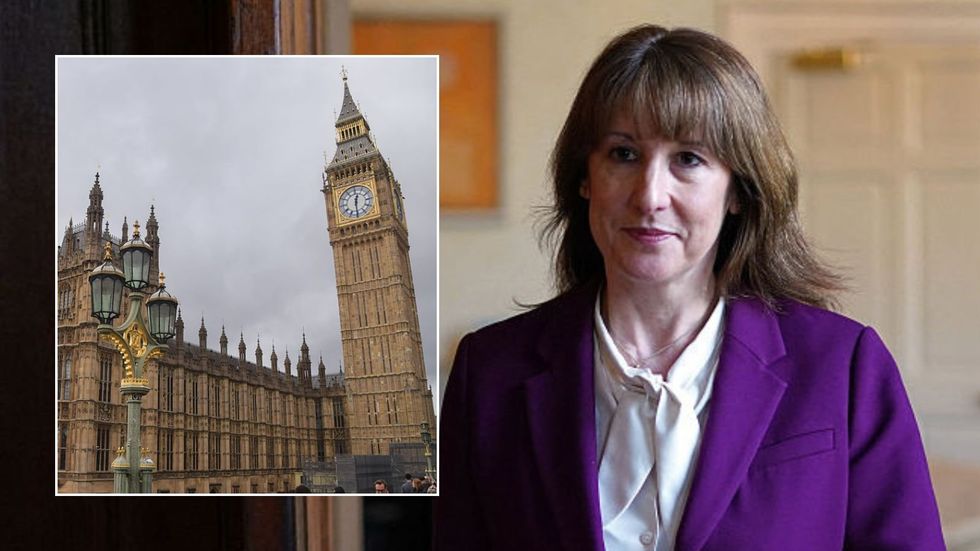
The Chancellor has suffered yet another 'defeat'
|GETTY
Charlene Young, senior pensions and savings expert at AJ Bell, said: "Policy ping pong is in full swing as the bill on pension salary sacrifice changes snakes its way through various key stages to Royal Assent.
"In one of five defeats for the government at the House of Lords stage, the pension salary sacrifice cap has been increased to £5,000, from the original £2,000 proposed."
The legislation now heads back to the House of Commons, where Government ministers could seek to strip out the amendments inserted by peers. During Lords debates, ministers clarified that the proposed contribution cap would be calculated on a per-employment basis rather than applying to individuals across all their jobs.
With the changes not scheduled to take effect until 2029, there remains considerable scope for the policy details to shift again before implementation.
 Rachel Reeves will not announce any new tax or spend policies in her Spring Statement | PA
LATEST DEVELOPMENTS
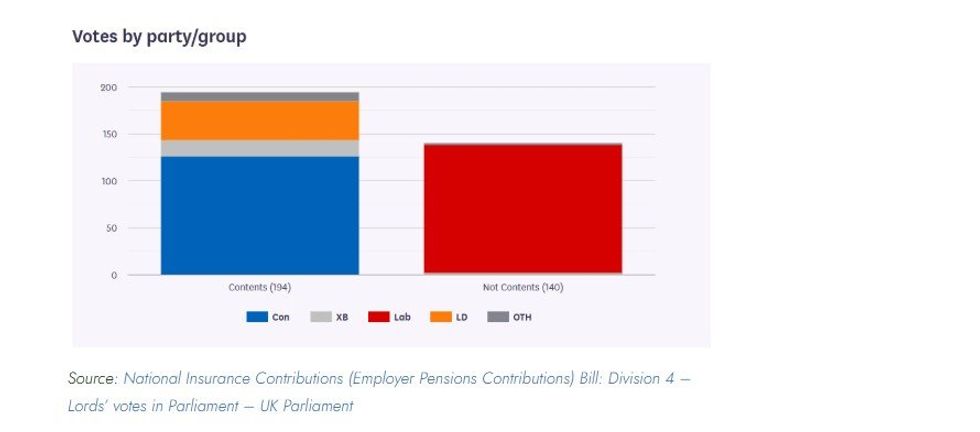
The above chart outlines the votes on the amendment to increase the cap to £5,000.
|PARLIAMENT UK
Ms Young added: "But this is more like the end of the first set than the whole match, as the bill will now travel back and forth between the Houses until both agree. This means that the five amendments currently included could be changed again."
The extended timeline before implementation has fuelled speculation about whether these reforms will ever come into force.
She shared: "When the cap was announced, the long lead time caused many to believe that the 2029 changes would never see the light of day."
The pension expert pointed to the electoral calendar as a factor, noting that a General Election must take place on or before August 15 2029, alongside what she described as the current administration's pattern of reversing controversial policies.
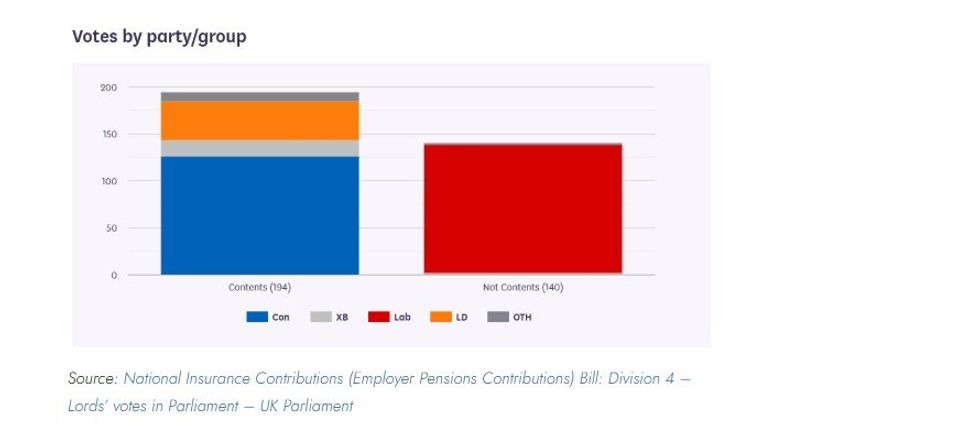
The above chart outlines the votes on the amendment to disregard savings above the cap from being included in the income used for student loan repayment calculations.
|UK PARLIAMENT
Ms Young suggested ministers had pushed the draft legislation forward early, partly anticipating the protracted negotiations between both chambers that have now materialised.
Beyond the headline amendment on contribution caps, peers also inserted provisions that would exempt basic rate taxpayers from the £2,000 threshold entirely.
A further amendment addressed student finance, stipulating that any salary sacrifice contributions exceeding the cap should not count as income when calculating student loan repayments. Ms Young indicated this latter change stood a stronger chance of surviving the parliamentary process.
She said: "The latter amendment certainly feels like it has a better chance of passing, given the upcoming freeze to student loan repayment thresholds and the prime minister's commitment to look at solutions to help alleviate some of the issues around student loans."
More From GB News