









German car giant Porsche has confirmed it will continue producing petrol and hybrid vehicles well into the next decade in a bid to claw back customer interest.
The interest in petrol cars comes as the luxury manufacturer also prepares to cut thousands of jobs after a difficult financial year.
The sports car maker said combustion engines will remain a core part of its line-up alongside electric models, reflecting a broader shift in the industry as demand for EVs grows more slowly than expected.
Speaking at the company's annual press conference in Stuttgart, Porsche's new chief executive, Dr Michael Leiters, insisted the company's focus would remain on building high-performance sports cars regardless of how they are powered.
TRENDING
Stories
Videos
Your Say
He said: "We stand for uncompromisingly good sports cars that you want to drive yourself, that are fun, that convey performance and passion. And all this regardless of the type of powertrain."
Dr Leiters, the former boss of McLaren Automotive, took over the role in January and used the conference to outline his long-term "Strategy 2035" plan for the brand.
However, the announcement comes as the German car brand faces a sharp slowdown in profits and falling sales in key markets.
The Stuttgart-based company reported operating profit of €413million (£356million) in 2025, down dramatically from €5.6billion (£4.8billion) the previous year. Sales revenue also fell by 9.5 per cent to €36.3billion (£31billion).
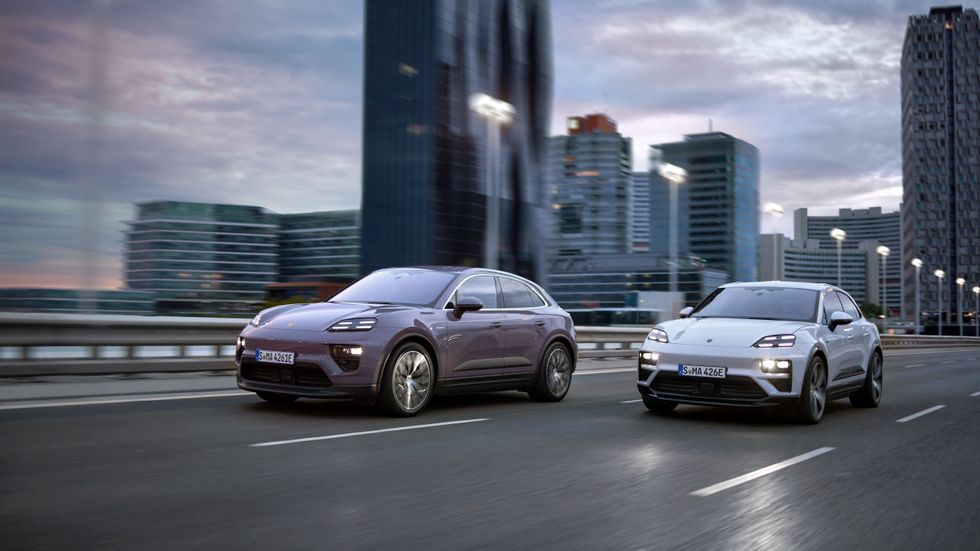
Porsche said around 3,900 jobs would be lost within the next four years
| PORSCHEAs a result, the company's operating return on sales plunged to just 1.1 per cent compared with 14.1 per cent in 2024.
Porsche said several major one-off costs affected the results, including around €2.4billion (£2billion) linked to restructuring and repositioning the business, roughly €700million (£604million) in battery-related costs and another €700million due to Donald Trump's tariffs.
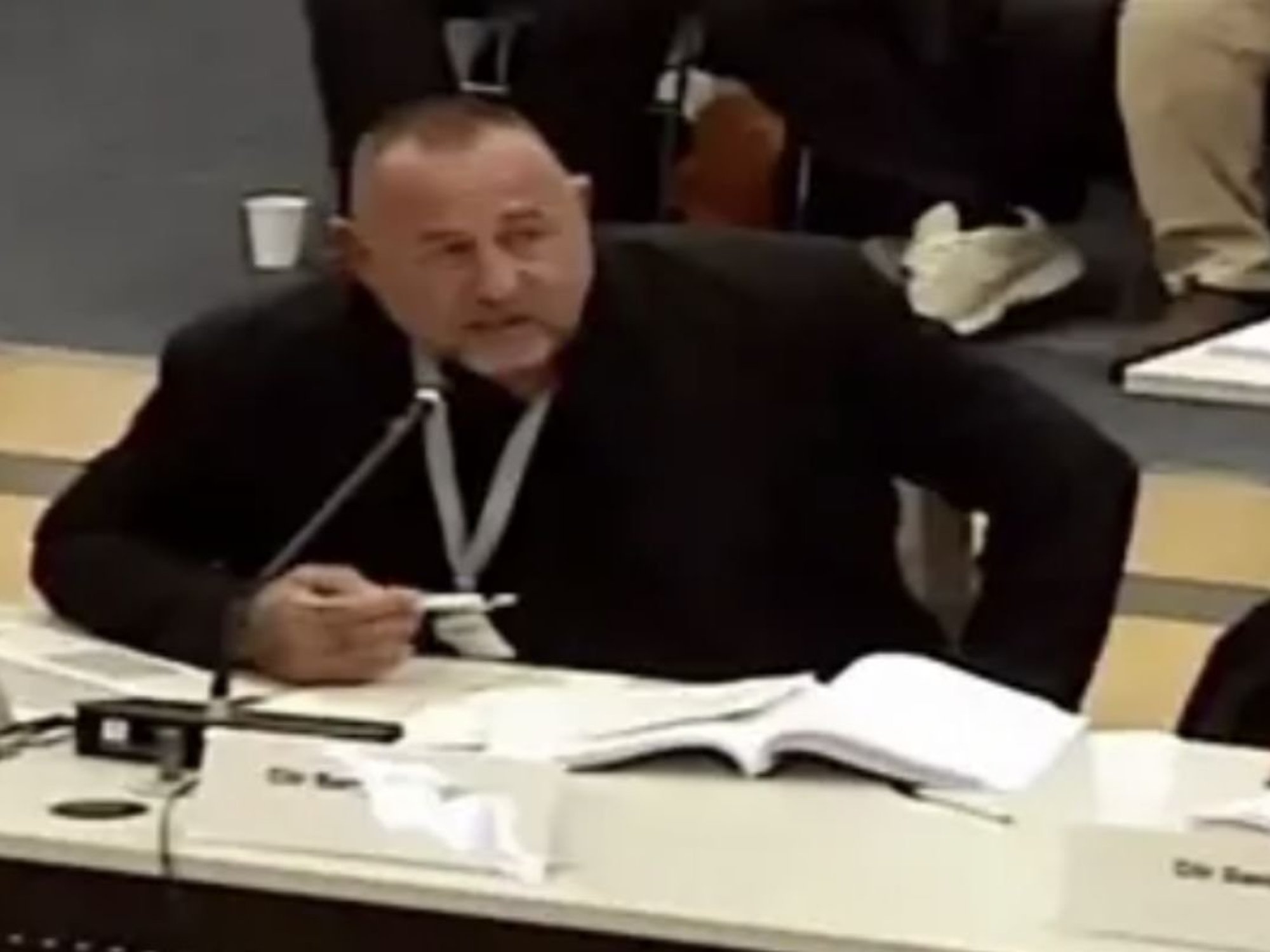
Porsche's chief financial officer, Dr Jochen Breckner, admitted the business had faced significant pressure.
Deliveries also declined during the year, with Porsche handing over 279,449 vehicles worldwide - a drop of just over 10 per cent compared with the previous year.
LATEST DEVELOPMENTS
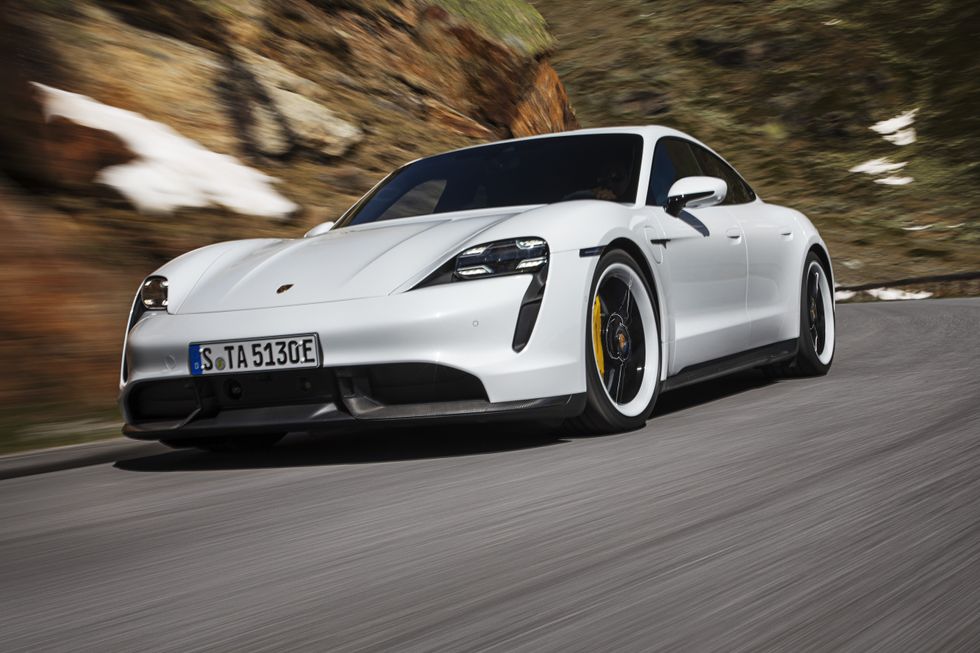 Porsche has announced plans to change its electric vehicle goals | PORSCHE
One bright spot came from the iconic Porsche 911, which remains one of the company's most popular models and continues to use a traditional combustion engine.
The firm also unveiled a new Porsche 911 Turbo S in September 2025, featuring a bi-turbo engine combined with T-Hybrid technology, making it the most powerful production 911 ever built.
Electric models will still be introduced, including the recently revealed Porsche Cayenne Electric, but these will sit alongside petrol and hybrid versions rather than replacing them entirely.
Porsche currently employs around 40,000 people and has previously said it plans to cut about 3,900 roles by 2030. Around 2,000 temporary jobs have already been removed, with the company confirming further reductions are expected.

The Porsche 911 has been positively received by drivers since being introduced last year
| PORSCHEDr Leiters said: "The streamlining of the company needs to be sharpened, and this will lead to further job reductions. We will streamline our management structure, reduce hierarchies and cut back on bureaucracy.
"We are using the current challenges as an opportunity to act even more decisively. We will comprehensively reposition Porsche, make the company leaner, faster, and the products even more desirable."
The carmaker said it has faced particular difficulties in China, where domestic manufacturers are rapidly expanding, and competition for European luxury brands has intensified.
Despite the challenges, Porsche expects its performance to improve in the coming years. The company forecasts an operating return on sales of between 5.5 and 7.5 per cent in 2026, with revenues expected to reach between €35billion (£30billion) and €36billion (£31billion).