










A new World Health Organisation agreement on how countries respond to pandemics will lead to repeated lockdown-style measures, a former lead scientist at the institution has warned.
The warning comes as the WHO prepares for crunch talks in Geneva on Monday to finalise a sweeping pandemic treaty covering surveillance systems, pathogen sharing and rapid vaccine rollout targets.
Dr David Bell, former WHO Scientific Officer and lead author of a new report, said the system puts the UK and other countries on a path back to Covid-era restrictions – including school and business closures, mask mandates, quarantines and mass vaccination drives – measures that were not part of standard pandemic planning before 2020.
He said: “It is inevitable that we will end up in repeated lockdowns because of how the system is set up.”
Dr Bell warned that the increased WHO funding, which is specifically earmarked for expanded pandemic threat surveillance and rapid-response triggers could escalate potential threats more quickly into full-scale interventions.
The UK is one of the largest contributors to the WHO, committing hundreds of millions through direct funding and international partnerships. The authors of the report say that means British taxpayers are helping fund a pandemic response they may later be subjected to again.
They are calling for the WHO completely overhauled or “replaced by an organisation better able to serve country needs.”.
Their new report - by the International Health Reform Project - calls for reform of the WHO, arguing it is too heavily tied to pandemic threat response programmes such as vaccines and diagnostics, shaped by a relatively small group of powerful public, private and public-private funders.
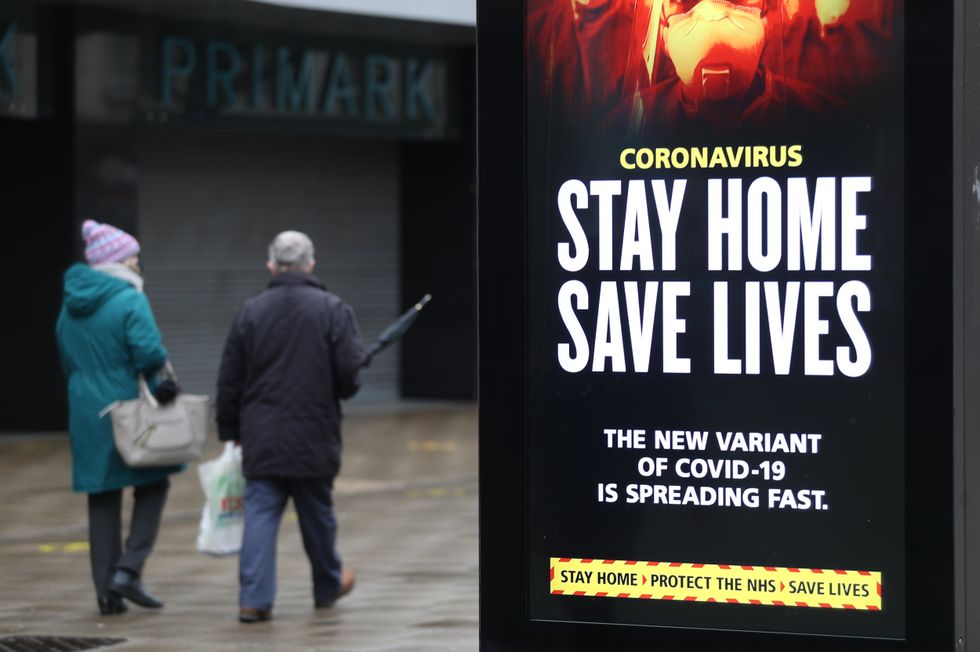
The new report calls for reform of the WHO, arguing it is too heavily tied to pandemic threat response programmes such as vaccines and diagnostics
|PA
The report highlights how large-scale contributions to the WHO are frequently channelled into targeted initiatives - particularly vaccines, diagnostics and surveillance systems - with a significant proportion of funding earmarked for specific objectives rather than broader health needs which could save more lives.
Critics say this concentration of funding risks aligning global health priorities with the interests and models of its major funding partners, rather than broader health outcomes - and could also mean threats are identified and acted on more quickly through expanded surveillance systems.
Dr Bell, former director of the Bill Gates funded development laboratory- the Global Good Fund, said: “The British taxpayer is funding a system that is looking for theoretical threats that will then be used to justify locking them down and making them pay for vaccines.”
He added: “It would be better that they put more money into the NHS.”
LATEST DEVELOPMENTS
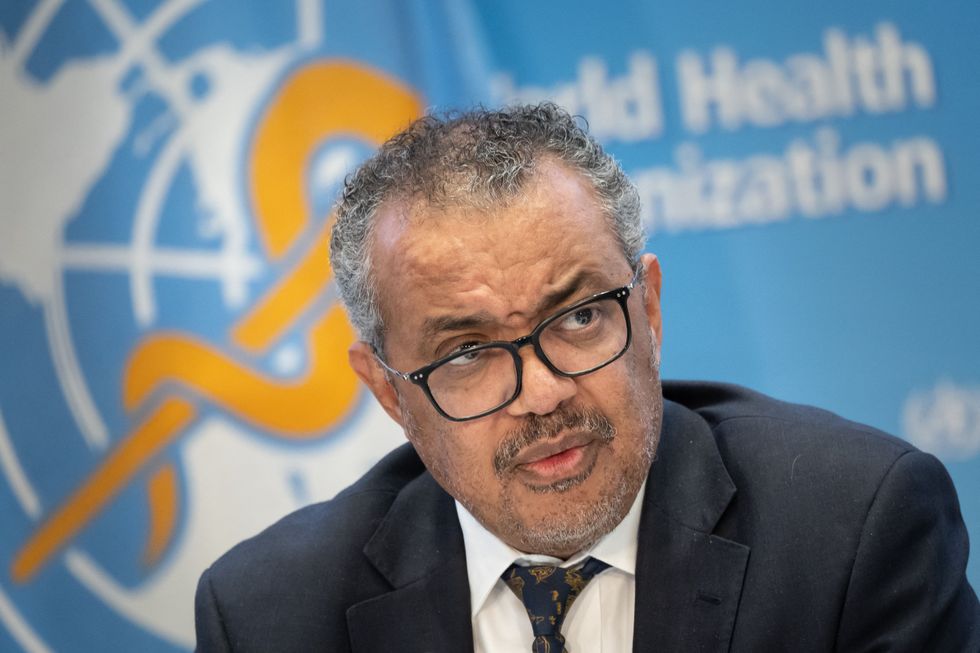 World Health Organisation Director-General Tedros Adhanom Ghebreyesus | GETTY
Co-author Professor Garrett Wallace Brown, a current WHO advisor and global public health expert at Leeds University, said funding flows are shaping global health priorities.
He said: “These large sums of money from private organisations and from government organisations have skewed the agenda.”
He added: “If you’re pumping in the largest donations to technical solutions, surveillance and vaccines it is inevitable you will have little choice but to do what is specified for it. It’s basic economics.”
They say this creates a system where what gets funded - and what produces measurable results - increasingly drives decision-making, rather than what delivers the greatest overall health impact.
 Covid claimed the lives of tens of thousands of Britons | GETTY
They warn this risks a self-reinforcing cycle - with funding flowing into pharmaceutical and tech-driven solutions, which then grow in influence and attract further investment, reinforcing the same approach.
Professor Brown described it as: “an incentive structure which is perverse and circular perpetuating the cycle of investment in pharmaceuticals.”
Dr Bell added: “Global health prioritises these areas which are more profitable for investors, not those which are improving for maximum healthcare.”
They say this focus risks sidelining simpler but highly effective measures that underpin population health such as healthy diets, clean water, appropriate use antibiotics and vaccines as well as good sanitation.
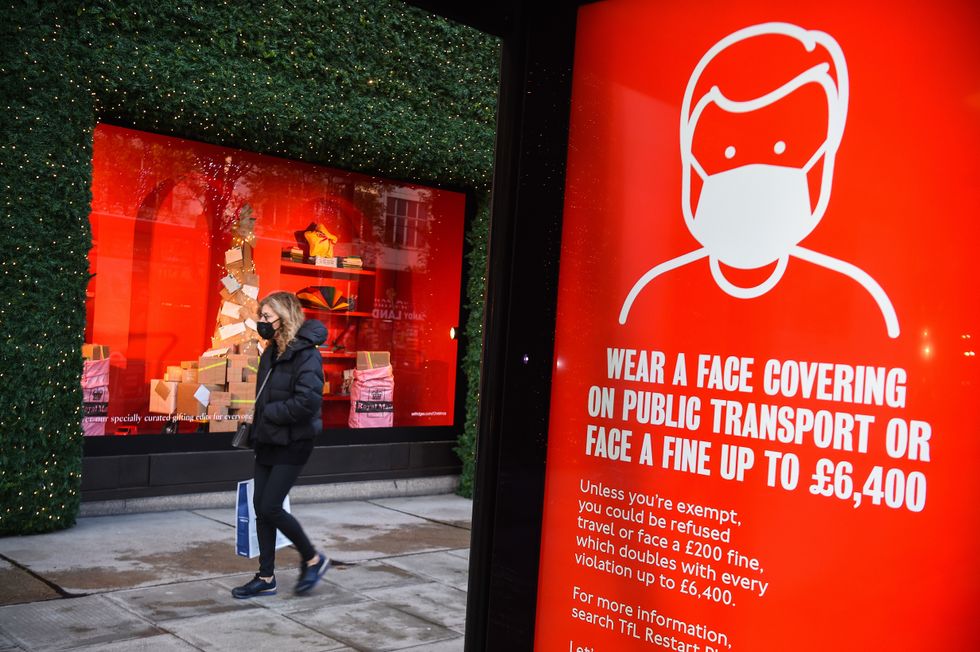 A woman wearing a face mask passing a screen advising the wearing of face masks on Oxford Street | PA
Professor Brown warned: “We do not have a more holistic aspect to what will save the most lives such as clean water, sanitation, basic nutrition and appropriate use of antibiotics.”
He stressed vaccines have a role but should not dominate: “I don’t think it is wrong to include vaccines, but we also have other health burdens. For example TB kills 1.3 million people a year.”
The authors say the Covid response accelerated these trends and shifted funding priorities.
Professor Brown highlighted that since the 2020 Covid-19 pandemic response, funding across the world for nutrition and health in low and middle income countries fell by 11% and has not been recovered.
At the same time, debt repayments linked to pandemic spending have reduced health budgets in poorer countries by 8.9%, weakening resilience to major diseases and long-term health challenges.