









As millions of drivers across the UK continue to deal with sky-high petrol and diesel prices amid turmoil in the Middle East, experts have highlighted the clear benefits of avoiding forecourts by switching to electric.
The latest data from RAC Fuel Watch shows that petrol prices have jumped again to 138.95p per litre, with prices rising by 4.61 per cent since the end of February.
Diesel motorists are facing an even tougher trip to the pumps, with costs soaring almost nine per cent higher than rates recorded on the day that Iranian Supreme Leader Ayatollah Ali Khamenei was killed in an American and Israeli airstrike on Tehran.
The average diesel driver heading to the pump around the UK will be paying 12.74p more than 10 days ago, at a total price of 155.12p - the highest price in 16 months.
TRENDING
Stories
Videos
Your Say
Prices at the pumps will continue to rise, as Brent crude oil prices fluctuate wildly, hitting a peak of $118.60 or almost £90, with experts warning that larger petrol and diesel prices are yet to come.
Ginny Buckley, chief executive of Electrifying.com, the electric car buying and advice site, told GB News: "It takes a fuel crisis to show what almost two million drivers already know - electric is better.
"If you can charge at home, the sums show that switching to an EV is a no-brainer for many drivers. Running an EV on an off-peak tariff means you're often paying just a few pence per mile, compared with roughly 12 to 18 pence per mile for a petrol car, around a third of the cost."
The latest data from the Energy and Climate Intelligence Unit (ECIU) shows that second-hand electric vehicles can save drivers £1,450 a year, even with the threat of pay-per-mile taxes.

Experts have highlighted the benefits of switching to an electric car, especially as fuel prices soar due to the conflict in Iran
|GETTY/PA
It specifically highlighted "substantial" savings for charging costs compared to the price of petrol, which does not include the recent spike amid the conflict in the Middle East.
The ECIU data also noted that electric vehicles are expected to be the same price as new petrol cars by 2028, when the controversial pay-per-mile taxes will be introduced.
Ms Buckley highlighted that almost half of the UK's total electricity comes from renewable sources, while drivers are at the mercy of oil prices influenced by a war in Iran.
The motoring expert also called on the Government to use the current oil crisis to rethink policies related to electric vehicles, which could lessen the impact of global tensions in the years to come.
LATEST DEVELOPMENTS
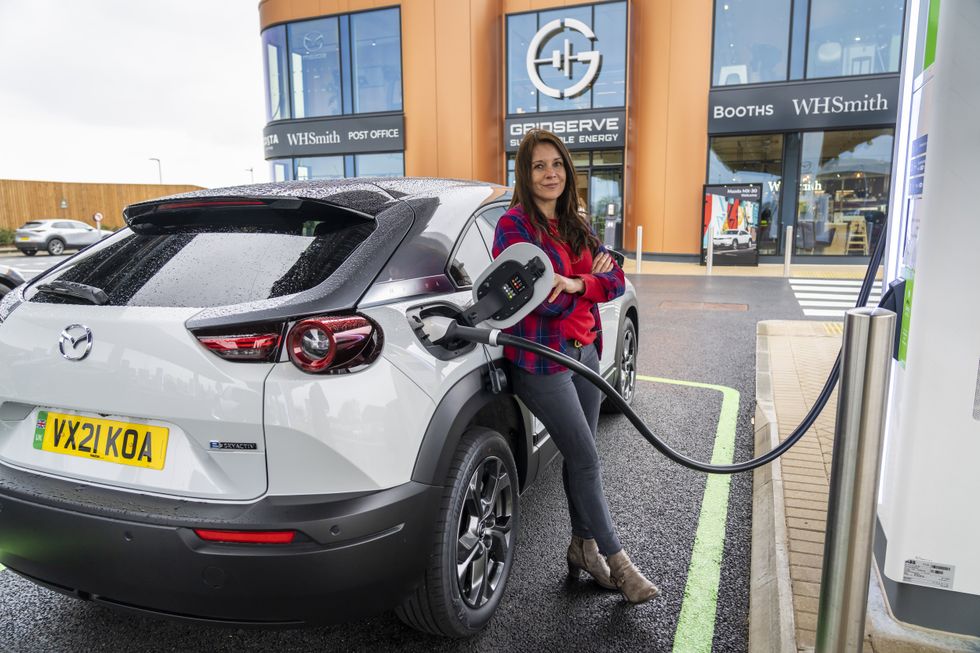
Motoring expert Ginny Buckley said the switch to electric is a 'no-brainer', which has only been made clearer by the ongoing fuel crisis
|ELECTRIFYNG.COM
"Fuel duty has been frozen for 15 years, so now is hardly the moment to start penalising the very drivers the Government has been encouraging to go electric," Ms Buckley added.
Despite conflicting statements, the war in Iran is expected to continue further, with US President Donald Trump promising "death, fire and fury" if tankers are attacked in the Strait of Hormuz.
The Strait, which sits between Iran and the Arabian Peninsula, carries roughly 20 million barrels of oil per day, and has been used as a chokepoint by Iran to pressure other nations.
Similarly, US Defence Secretary Pete Hegseth has warned of massive consequences for Iran if it lays mines in the Strait of Hormuz, potentially sending oil prices soaring once more.
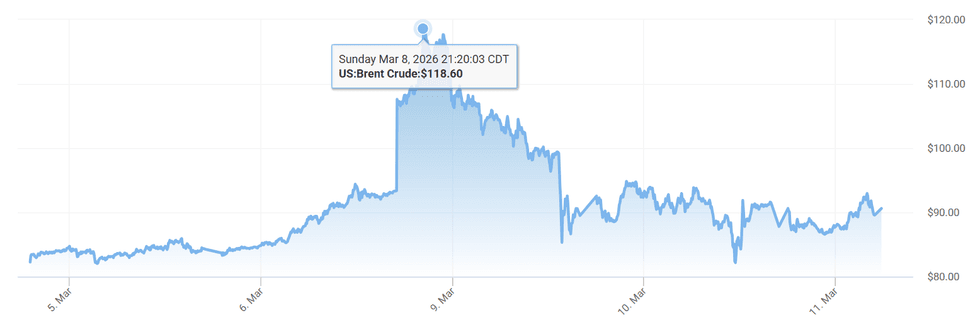
Oil prices have soared since the strikes on Iran, with costs peaking on March 8 at almost $120
|OILPRICE.COM
Ben Kilbey, Founder of Bold Voodoo, told GB News that the 5p fuel duty cut for petrol and diesel drivers was "little more than a war premium" for those who were dealing with oil volatility without having anything to do with the conflict.
He added: "As long as Europe remains exposed to global oil markets, drivers will continue to bear the cost of geopolitical shocks far beyond our borders.
"The only durable solution is to accelerate electrification and reduce our dependence on imported fossil fuels."
The Government has several measures in place to support drivers ditching internal combustion engine vehicles and transitioning to electric vehicles.
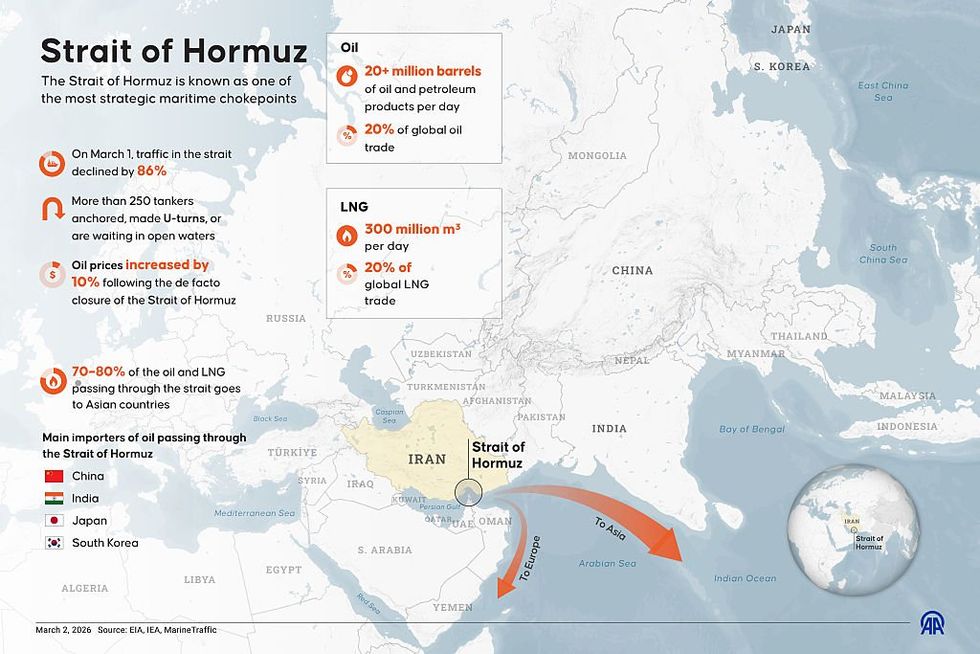 The Strait of Hormuz is one of the most important shipping routes in the world, especially for oil exports | GETTY
The Electric Car Grant offers drivers a maximum discount of £3,750 off the price of a new EV, with almost 50 of the most popular vehicles on the market eligible, including the Kia EV4, Ford Puma Gen-E and the Nissan Leaf.
Labour also recently extended the grant for home EV chargers, with drivers able to get up to £500 off a device, further acting as an incentive to help drivers switch to a zero emission vehicle.
Drivers are responding to these measures. Around one in four new cars sold in the UK are electric, as the market share of new petrol and diesel vehicles registered continues to plummet.
The latest oil crisis will act as another deterrent to staying with petrol and diesel cars, especially as rising fuel prices show no sign of abating.
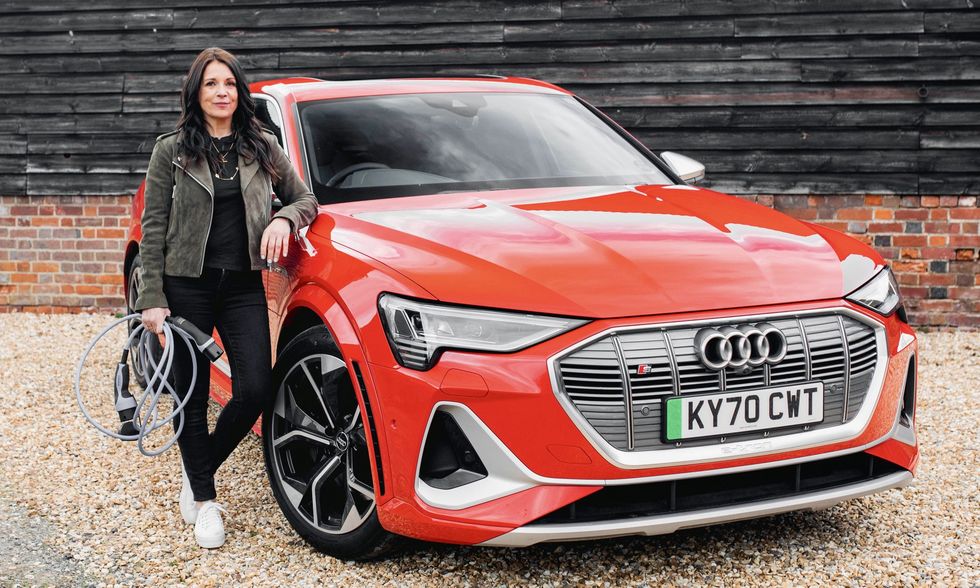
Experts have urged the Government to continue to support the uptake of electric vehicles
|ELECTRIFYING.COM
Chris Heron, Secretary General of E-Mobility Europe, was clear that the electric vehicle revolution should not be impacted by the Government's fuel duty policies.
He said: "Every oil shock is a reminder of how exposed Europe remains to fossil fuels, and it is everyday drivers who feel that exposure first at the pump.
"The solution is clear. Electrification powered by renewable energy offers Europe a pathway to greater energy security, reduced volatility and stronger industrial resilience.
"Today's turbulence should not slow the transition. It should strengthen Europe's resolve to accelerate it."