










Petrol drivers could be losing out on thousands of pounds a year with fuel prices compared to those of electric vehicle owners, as costs continue to soar.
In the last 24 hours alone, the price of petrol has risen by 1.4p per litre to 148.55p, bringing costs to a two-year high, according to RAC Fuel Watch.
Since the killing of Iran's Supreme Leader on February 28, unleaded petrol has jumped by 15.7p or 11.8 per cent in response to skyrocketing oil costs.
A barrel of oil now consistently sits above $100 (£75) a barrel in response to missile strikes on Iran by the United States and Israel.
Diesel costs have jumped by almost a quarter since the end of February, with drivers paying an extra 31.5p per litre for a total of 173.83p.
Analysts from the RAC predict that motorists will soon face costs of 180p per litre "in the next week or so", having previously estimated this to happen closer to Easter.
Simon Williams, head of policy at the RAC, warned that if diesel prices reached 182p per litre, it would cost more than £100 to fill a standard 55-litre family car.
Similarly, if petrol soars to 150p, which Mr Williams said would be "inevitable", it would cost £82.50 to fill up.
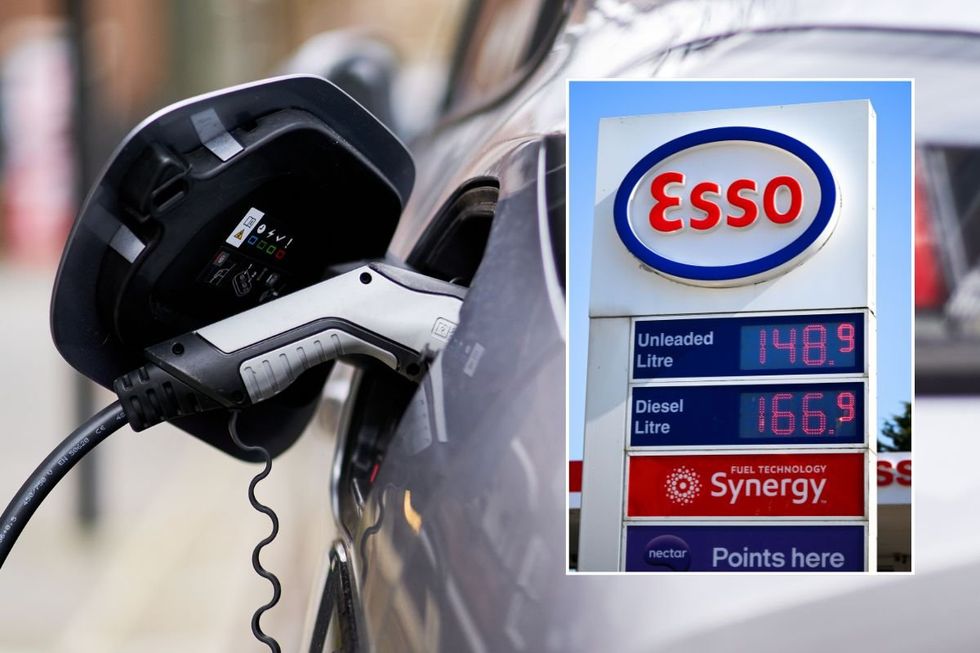
Petrol car owners are forking out more than £1,000 a year more than electric vehicle drivers
|PA/GETTY
The Car Expert highlighted that a typical UK driver, who covers 8,000 miles in a year, is already experiencing additional costs of around £200 or £300 in fuel compared to January 2026.
Motorists across the UK are no strangers to massive price hikes, having seen record costs in the months following the Russian invasion of Ukraine in 2022.
At this time, drivers were paying an average of more than £1.90 for petrol and £2 for diesel, while some forecourts were charging upwards of £2.30 for fuel, especially at motorway service stations.
Stuart Masson, editorial director of The Car Expert, said: "Every time there's a global crisis, UK drivers feel it almost immediately at the pumps.
LATEST DEVELOPMENTS
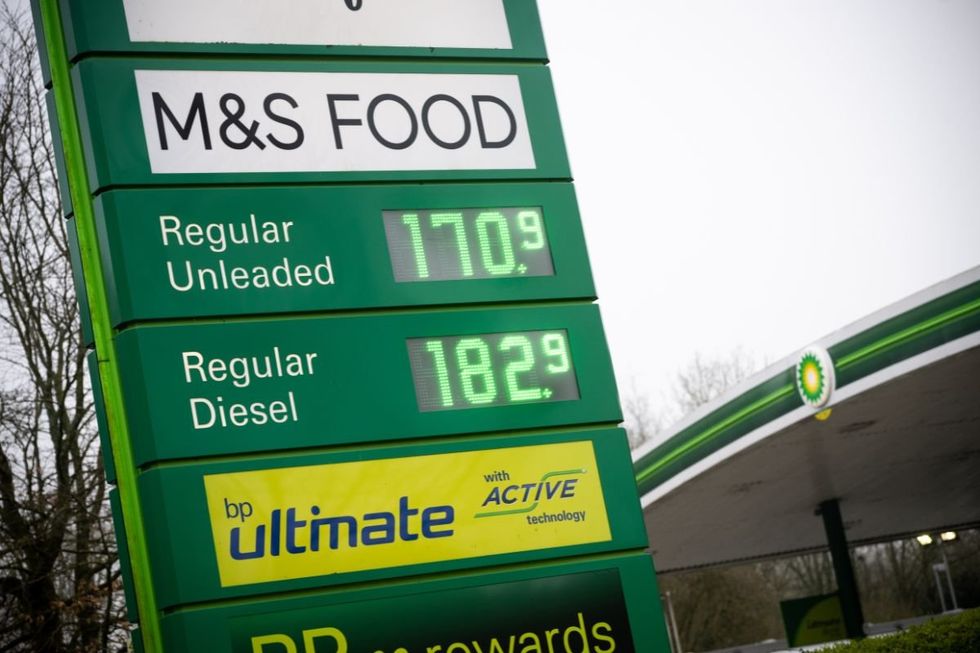
Motorists are paying the highest price for petrol in more than 24 months, and the highest for diesel in three years
| GETTY"The difference now is that, for the first time, a clear majority of new car buyers, and a much larger number of used car buyers, actually have a viable alternative."
He specifically pointed to the number of electric cars already on the road and how many drivers were already looking to switch to zero emission vehicles.
Alongside an ever-growing range of model options and almost 120,000 public chargers, electric vehicle owners also benefit from far lower costs if they have the ability to charge at home.
Mr Masson noted that electric car owners with a home charger will pay between £250 and £300 for 8,000 miles worth of range, compared to more than £1,800 for petrol at current prices.
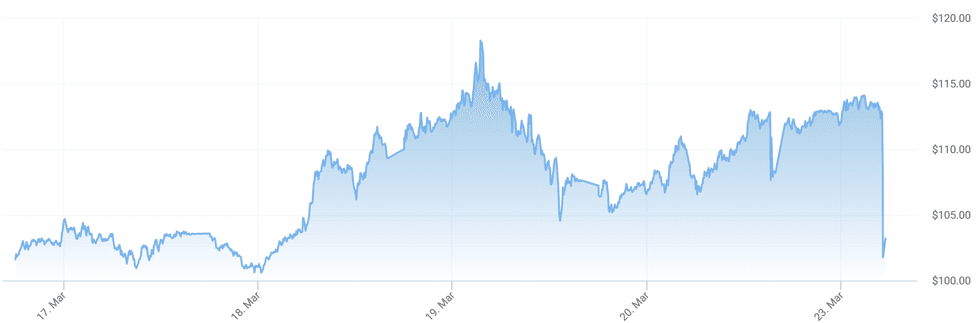 The price of Brent crude oil has fluctuated wildly in recent days | OILPRICE.COM
He said: "If you can charge at home, the maths is already very clear. You're looking at savings of well over £1,000 a year, and that gap only grows every time fuel prices spike.
"People don't suddenly go out and change their car because of the news. But these moments do influence what they choose next when the time comes."
With the RAC and other experts predicting greater increases to petrol and diesel prices, motorists may opt for electric vehicles, especially if they can charge using an EV-friendly tariff.
Mr Masson questioned how many drivers were fed up with being "held hostage" at the pumps with fluctuating petrol and diesel prices.