








Homebuyers could secure a decade of completely free energy through "Zero Bills Home" scheme being offered by a major energy company.
The revelation comes at a critical moment for British households as the conflict in Iran continues to push energy costs higher.
Nigel Banks, Octopus Energy's Technical Director of Zero Bills, told GB News the Zero Bills Home model gives households a way to avoid rising energy bills by generating and managing their own power at home.
"Customers living in a Zero Bills Home can live and heat their home normally, and they won't get a home energy bill for 10 years," he said.
He explained that the only limit is a fair use allowance, usually set at around twice the typical energy use for that type of home, meaning most people will not need to change how they use energy, with only very high usage leading to extra charges.
The 10-year guarantee offers rare certainty at a time when energy bills are expected to rise by £332 from July, leaving many households facing higher costs.
Mr Banks said the system works by turning each home into a "mini power station", with solar panels generating electricity during the day and a battery storing extra power for use in the evening or when electricity is cheaper.
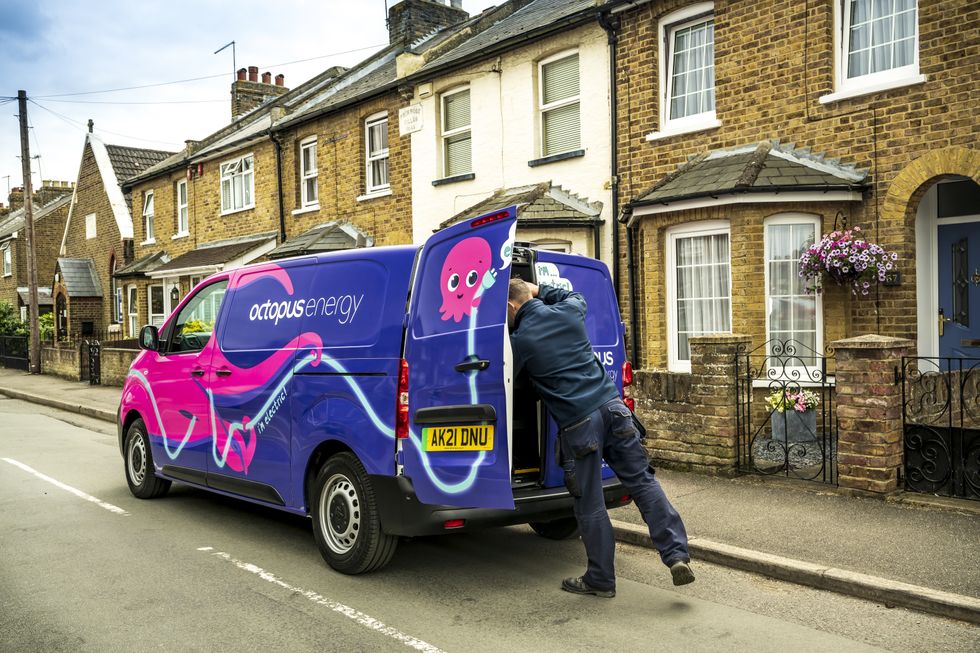
The 10-year guarantee offers rare certainty at a time when energy bills are expected to rise by £332 from July
| OCTOPUS ENERGYA heat pump provides heating and hot water instead of a gas boiler, while smart tariffs and selling unused energy back to the grid help keep costs down, allowing some homes to run with no energy bills at all.
Explaining how the zero-bill model is funded, Mr Banks said: "It works for Octopus because we're able to generate enough revenue from selling power from the home back to the grid and providing services to the grid to cover the cost of buying the power in that they use throughout the year."
He said residents can use their heating just as they would in any other home, adjusting the thermostat as normal, but without facing standing charges or routine energy bills.
Feedback from households suggests the homes can feel more comfortable than those with traditional gas boilers, as heat pumps run at lower levels for longer periods, helping to maintain a more consistent indoor temperature.
The comments come as the Government confirmed its new "future homes standard", which will require all new homes built from 2028 to include clean heating systems and renewable energy such as solar panels, marking a wider shift towards low-carbon housing.
Under these regulations, developers will be required to fit new homes with low-carbon heating, such as heat pumps or connections to district heat networks, alongside stronger insulation and higher energy efficiency standards.
Most properties will also need on-site renewable energy, with solar panels expected to be the main option for meeting the rules.
Ministers say these changes could save homeowners around £830 a year compared to a typical EPC C-rated property, although some industry figures suggest the savings could be even higher. Garry Felgate, chief executive of the MCS Foundation, described the plans as "very good news" for energy security, adding that analysis indicates typical households could save more than £1,000 annually.
The regulations come a decade after similar carbon-cutting housing measures were scrapped, marking a renewed push towards cleaner, cheaper-to-run homes.
The changes also land at a time of growing pressure on household finances. Forecasts suggest average annual energy bills could rise by £332 from July, driven by higher oil and gas prices linked to the Iran conflict.
If this happens, households would face the highest typical costs in three years, returning to levels last seen in July 2023.
While the current energy price cap is set to keep bills lower until the end of June, as it was calculated before the recent escalation, attention is now turning to what happens next, with expectations that a higher cap reflecting global instability will soon take effect.
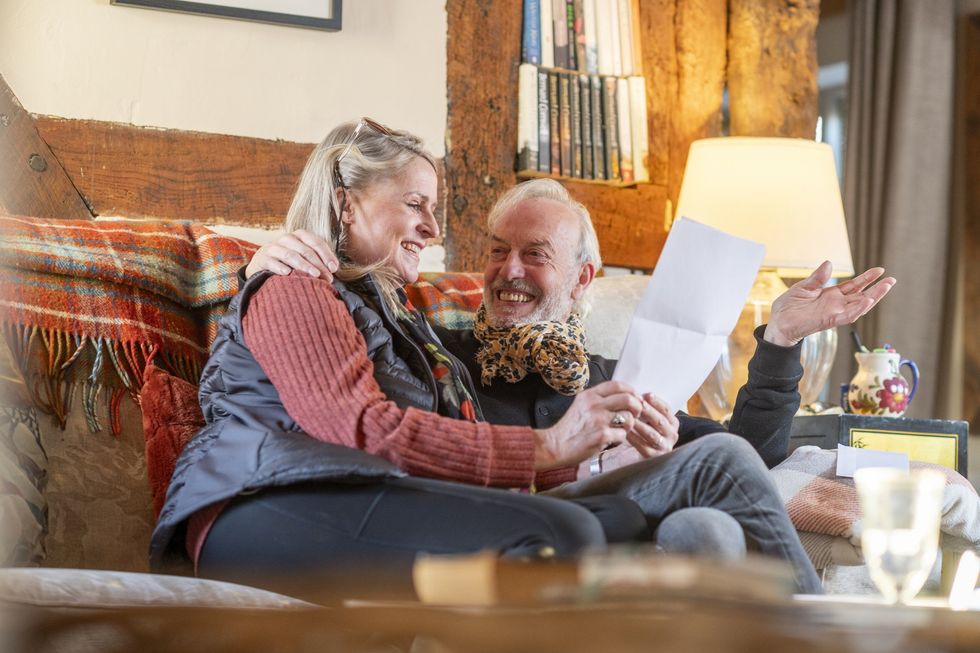
Residents can use their heating just as they would in any other home without facing standing charges or routine energy bills
| GETTYChancellor Rachel Reeves described the outlook as "uncertain" while setting out plans to assist the most vulnerable, following a Cobra meeting chaired by the Prime Minister on Monday that examined energy supply and rising costs.
However, zero bills homes remain limited to certain new build developments, meaning most existing homeowners cannot yet access the model.
There can also be higher upfront costs, with the additional solar panels and battery systems typically adding around £5,000 to £10,000 compared to a standard future homes build, although these costs are often offset over time through lower bills.
Hundreds of households across England, Scotland and Wales are already living in zero bills homes, with the model also expanding internationally to countries including France, Germany and New Zealand.
Mr Banks said geopolitical instability is already influencing behaviour, with demand for low-carbon heating rising.
"There has been a real uptake in interest in heat pumps with the impact of the conflict in the Middle East that is driving people's thinking about how can they get off fossil fuel heating systems whether that be heating oil or natural gas to electric systems," he said.
For those considering the switch, support remains available, including a £7,500 boiler upgrade scheme grant towards installing a heat pump.
Mr Banks added "the cost of solar panels and batteries have halved in the last three years", while combining technologies can "massively reduce your energy bills and also reduce the volatility of the energy bills".
For now, zero bills homes offer a glimpse of how households could protect themselves from future energy shocks.
However concerns have been raised about whether heat pumps deliver the savings often promised, with data suggesting many households are facing higher running costs after making the switch.
A survey of 1,000 heat pump users conducted by Censuswide found that 66 per cent said their homes were more expensive to heat than with their previous system, while only 15 per cent reported lower bills and 19 per cent said costs had stayed the same or they were unsure. The survey was commissioned by the Green Britain Foundation, set up by Ecotricity founder Dale Vince.
The findings come despite significant Government backing, including a £7,500 upfront grant towards installation costs, which average around £13,200 compared to roughly £3,000 for a gas boiler, as well as £2.7billion in additional funding announced to support uptake.
Mr Vince criticised the rollout, describing it as a "middle-class subsidy" and warning: "This just entrenches the view of a lot of people, particularly Reform-leaning people, that this whole green economy, net-zero thing is not for them. It’s for the middle classes. It’s for people with money."
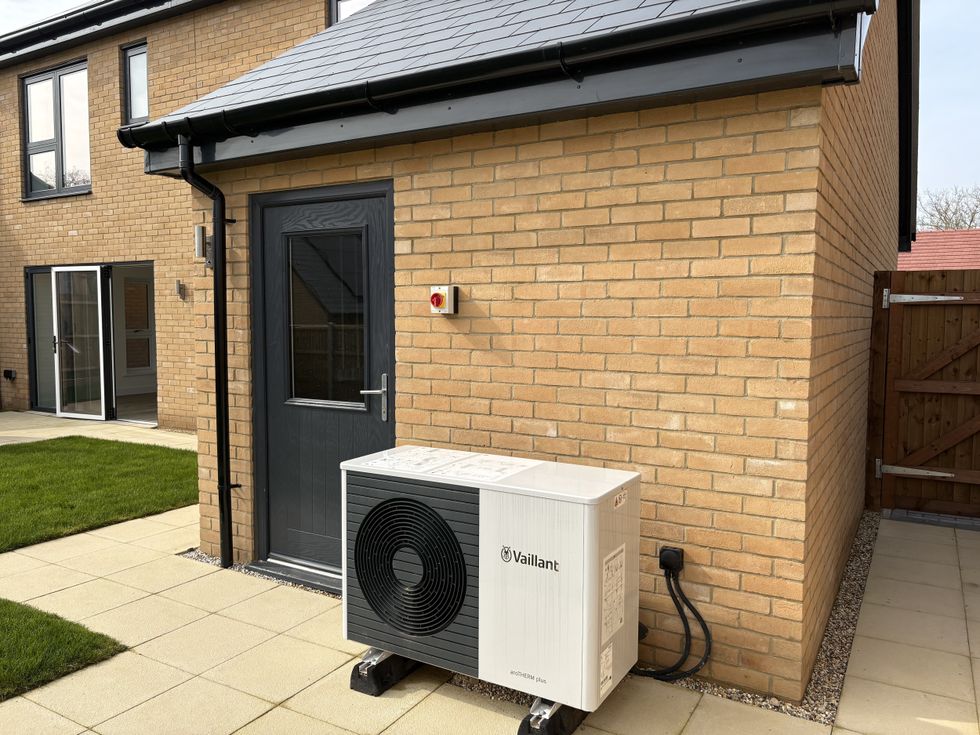
Homeowners are being offered zero home energy bills for at least five years under a collaboration with Octopus Energy
|PA
He also argued that the benefits are being overstated, saying: "It’s a myth, but it’s such a frustrating one, that heat pumps save you money. For people that live in really modern, well insulated homes, then the bill won’t go up very much. But that’s very rare. The reality for people on the ground is a disappointment, an expensive one."
However, Government-backed data presents a more mixed picture. Surveys by the Department for Energy Security and Net Zero found that 89 per cent of users were satisfied with their heat pumps after a winter of use, with households reporting "mixed experiences with their total energy bills”, though “most commonly they reported that their bills had decreased."
A Government official said: "The British public is showing record demand for heat pumps, and, together with a time of use tariff, they can save households £130 a year on their energy bills compared to having a gas boiler.
"The warm homes plan backed by £15billion of funding ensures everyone can access the benefits and savings that home upgrades, including heat pumps, can bring.
"This is alongside the unprecedented steps we took at budget to reduce electricity costs, to cut bills for everyone and see those with electric heating benefit even further."