










The UK's competition watchdog has raised fresh questions about Labour's flagship electric car subsidy, which aims to increase EV uptake by 2030.
The Competition and Markets Authority's Subsidy Advice Unit (SAU) has been scrutinising the £1.84billion Electric Car Grant, which offers drivers up to £3,750 off new electric vehicles.
While officials said the plan largely meets the rules, they have warned ministers must tighten key parts of their analysis.
The scheme, put forward by the Office for Zero Emission Vehicles (OZEV), applies to cars priced at £37,000 or less and will run until 2030, although funding could run out sooner.
In its report, the SAU said OZEV had "demonstrated general compliance" with subsidy control and environmental rules, but reported significant gaps that need addressing.
The watchdog said the Government has not done enough to explain which companies are likely to benefit, or whether the scheme could unfairly favour some manufacturers over others.
For example, under current rules, Chinese vehicles do not currently qualify for EV grants, despite them becoming more popular across the UK..
The report stated that officials should provide "further examination" of the electric vehicle market, including "current and potential competitors", as well as respective market shares.
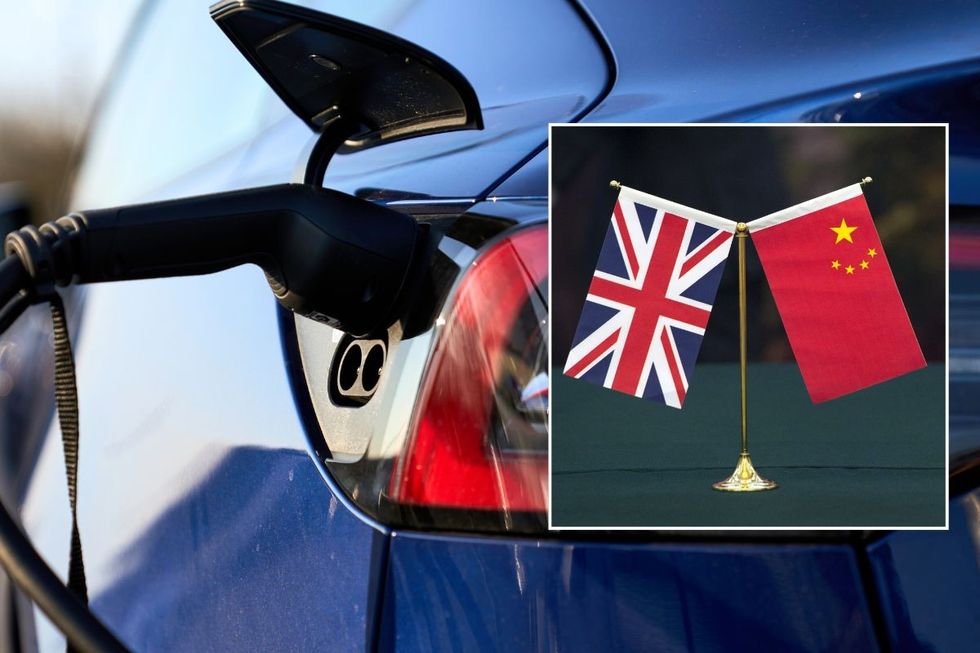
The CMA warned that the lack of certainty around which vehicles qualify for the ECG could impact competition
| PAIt also warned that any competitive advantage created by the scheme may need to be addressed, adding that ministers should consider "whether any such advantage could or should be mitigated".
The watchdog said OZEV must "more clearly establish who benefits from the grants, both directly and indirectly", and ensure that its central claims are backed up with solid evidence.
The SAU called for more detailed modelling on what would happen to electric car prices without Government support, and whether the chosen grant levels are the minimum required.
The report said ministers should better explain "how different grant amounts and price thresholds were tested" before settling on the current structure.
LATEST DEVELOPMENTS
- Rachel Reeves responds to petrol and diesel prices as Labour slashes red tape to 'take control' of costs
- Diesel prices soar to three-year high as drivers warned of further misery at pumps - 'No end in sight'
- Rachel Reeves told to delay launch of pay-per-mile car taxes until 2030 - 'Needlessly convoluted'
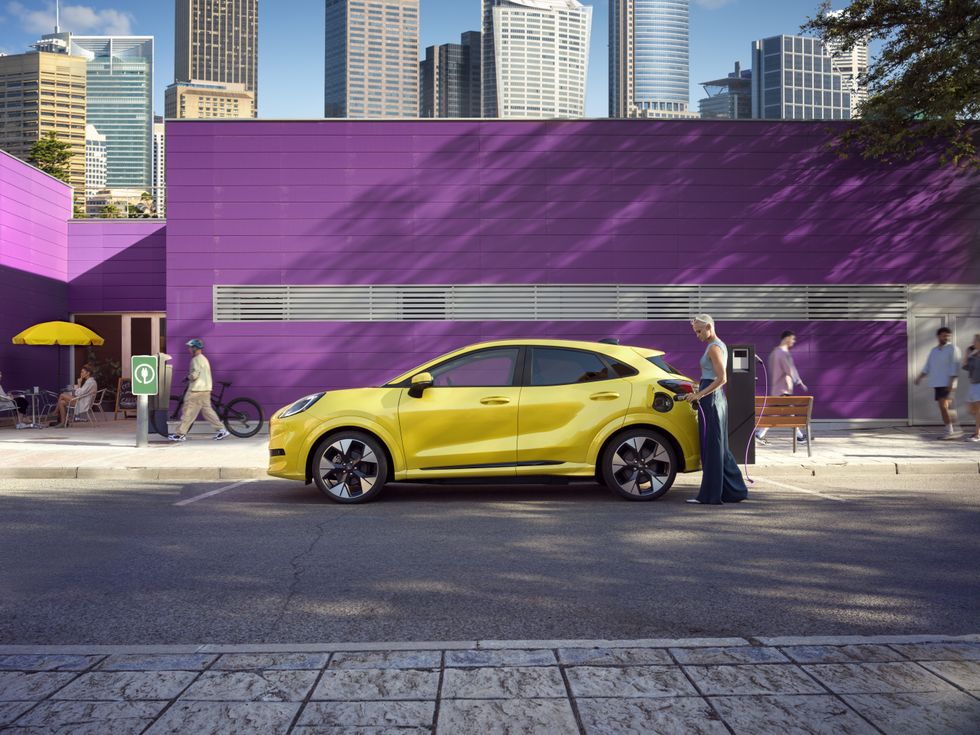
The Ford Puma Gen-E benefits from the £3,750 incentive in the Electric Car Grant
| FORDCars meeting the highest environmental manufacturing standards will qualify for the full £3,750 discount, while others will receive up to £1,500.
The Electric Car Grant is a central part of the Government's push towards net zero, and is designed to help meet targets under the Zero Emission Vehicle mandate.
This requires 33 per cent of new car sales to be electric by the end of this year, before rising sharply to 80 per cent by 2030.
Officials estimated the scheme could support up to 154,000 electric vehicles in its first year. However, the watchdog warned that the true impact is "highly uncertain", particularly around how many additional sales the subsidy will actually generate.
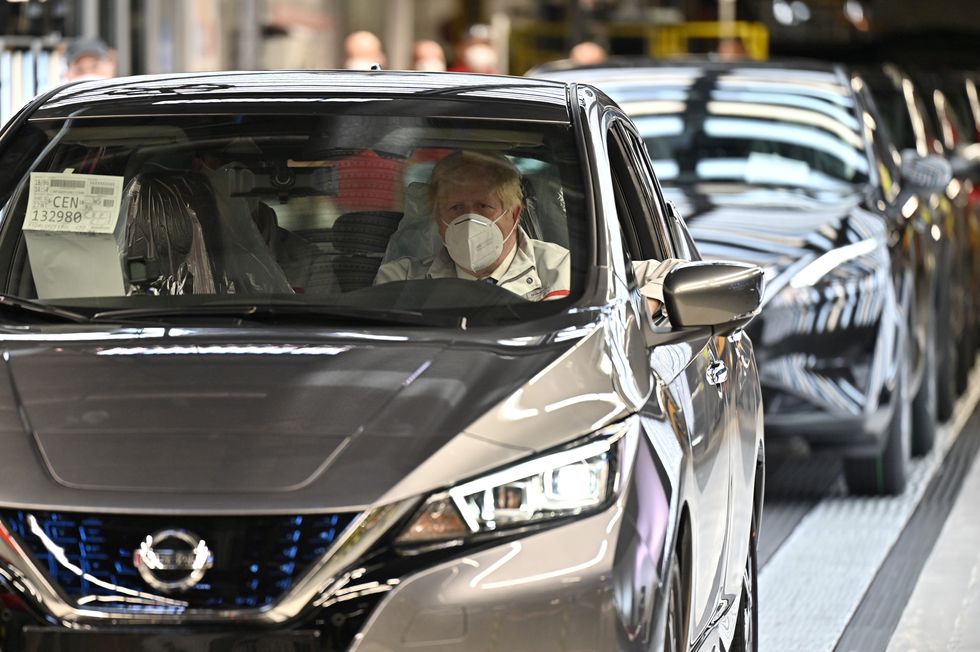 The ZEV mandate hopes to have 100 per cent electric car sales by 2030 | PA
The watchdog said ministers must more clearly show that the benefits outweigh any downsides, including potential distortions to competition and impacts on trade or investment.
It also urged the Government to look more closely at how the scheme will affect different regions of the UK.
While the report is advisory rather than legally binding, it will increase pressure on ministers to justify the scheme more fully before rollout.
The new grant builds on the previous Plug-in Car Grant, which ran from 2011 to 2022, as the Government steps up efforts to accelerate the shift to electric vehicles.