









Thousands of drivers could be awarded compensation after faulty speed cameras incorrectly fined motorists along major routes.
Transport Minister Lord Hendy of Richmond Hill told the House of Lords that National Highways has identified roughly 2,650 erroneous camera activations dating back to 2021, stemming from a technical fault affecting how certain speed cameras interact with variable speed limit signs.
The problem affected a number of motorways and two A roads, though not every flash led to enforcement action against drivers.
Police forces are now reaching out to those impacted to explain what steps are being taken to provide redress for the wrongful enforcement.
TRENDING
Stories
Videos
Your Say
The majority of motorists caught up in the error were guided towards speed awareness courses, rather than receiving penalty points on their licence.
However, a small number of drivers were wrongly prosecuted for speeding offences or for failing to pay fines, while a very small number were incorrectly disqualified from driving altogether.
Lord Young of Cookham raised concerns about compensation for "those who had to take time off work to attend speed awareness courses" and, more significantly, drivers who lost their licences and subsequently their employment.
Lord Hendy confirmed that all those contacted by police will receive information on how to approach National Highways if they have evidence of costs arising from the incorrect enforcement, including expenses related to licence loss.
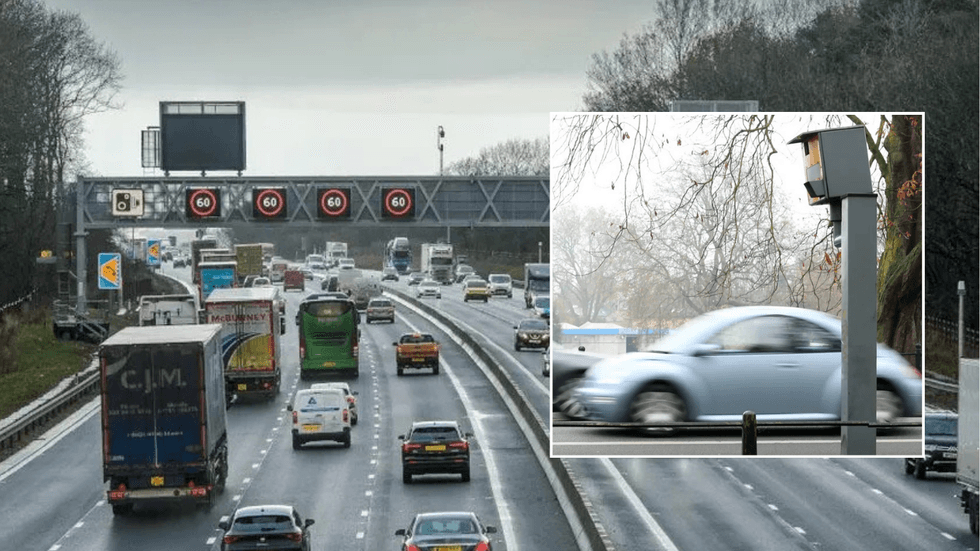
The House of Lords debate confirmed the Government would be issuing compensation for drivers fined
|OFFICE OF RAIL AND ROAD/PA
Lord Burnett of Maldon, the crossbench peer and former lord chief justice, highlighted the financial burden facing those wrongly penalised, noting that "points doesn't mean prizes" but rather "increased insurance premiums".
He questioned whether ministers would show understanding towards claimants who struggle to demonstrate exact losses because insurers refuse to provide detailed breakdowns of premium calculations.
"It can be extremely difficult for any of us to understand precisely why an insurance premium from one year to another has increased," Lord Burnett said.
In response, Lord Hendy acknowledged that the Government must act as "a good custodian of public money" and verify that genuine losses occurred.
LATEST DEVELOPMENTS
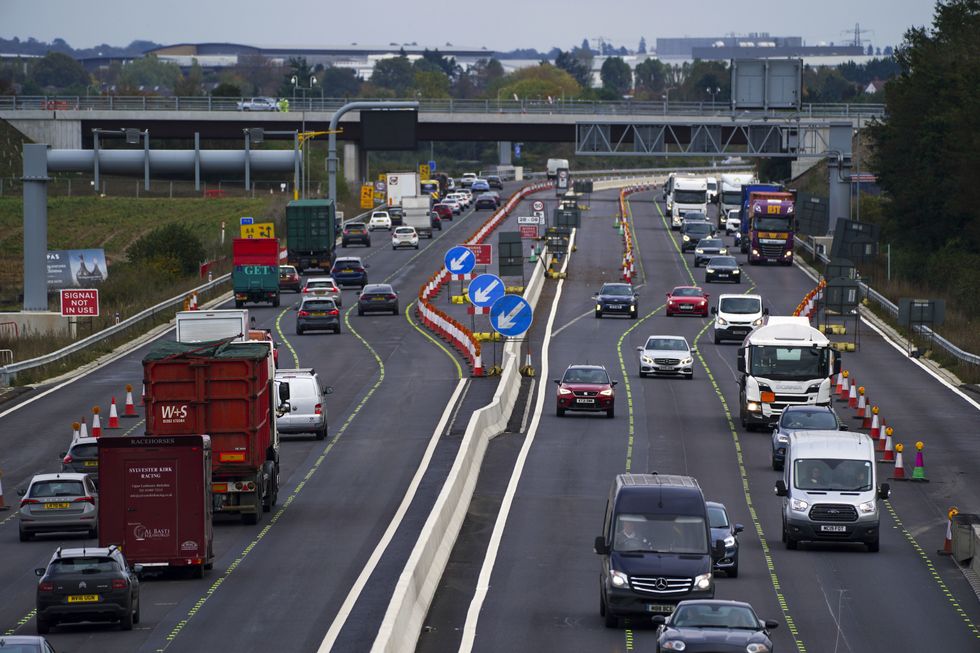
The fines were issued by faulty speed cameras in place along major motorways, including the M1 and M25
| PANevertheless, he suggested that comparing premiums between years would likely constitute acceptable evidence, provided the increase related solely to penalty points rather than other driving factors.
The Department for Transport has commissioned an independent review to examine how the technical anomaly arose and why it took so long to address.
Liberal Democrat peer Baroness Pidgeon pressed ministers on how long National Highways had been aware of the defect before taking action. Lord Hendy confirmed the review would scrutinise "the time it took between first knowledge and public action".
Fellow Lib Dem Lord Scriven questioned the Government's confidence in the agency, pointing out that the software upgrade responsible for the fault occurred in 2019, even though the DfT had only been made aware of the issue in October last year.
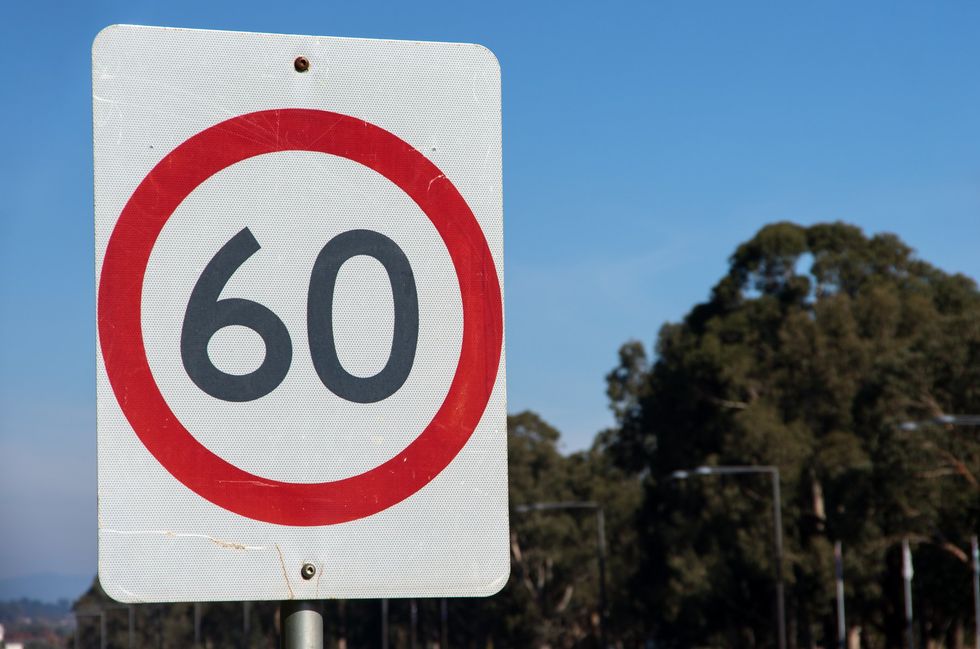
Lord Clarke of Nottingham warned drivers on the M1 keep facing 60mph limits regardless of traffic conditions
| GETTYThe minister acknowledged the review was "a serious activity" designed to ensure such failures cannot recur, examining whether the problem should have been identified more quickly.
Lord Clarke of Nottingham raised separate concerns about the application of variable speed limits, noting drivers heading north on the M1 through Bedfordshire consistently encountered a 60mph restriction regardless of traffic conditions or weather.
He asked whether some highway authorities might be "tempted to use variable speed limits plainly as a way of raising revenue by way of fines".
Lord Hendy rejected this suggestion, stating that speed restrictions exist for road safety and traffic management purposes, not to generate income.