









Labour has refused to give drivers any grace period at yellow box junctions and amend wording in the Highway Code, despite growing anger over unfair enforcement.
The Department for Transport has rejected calls for reform, insisting the current rules do not need to change and arguing even a short delay before issuing fines would disrupt the roads.
The refusal follows a landmark petition signed by nearly 12,000 motorists demanding fairer treatment, including a 10-second grace period before penalty charge notices are issued.
But ministers have now flatly ruled this out. The Department said allowing vehicles to briefly stop at a box junction would “significantly disrupt traffic flow” and undermine the purpose of the markings.
TRENDING
Stories
Videos
Your Say
The Government said: "The request for a 10 second grace period before a PCN is issued is a long period of time in traffic flow terms.
"This will inevitably delay opposing arm traffic from crossing the junction and prevent efficient queue clearance. In affect this grace period would undermine the purpose of the yellow box marking."
Labour also dismissed calls for an exemption for drivers waiting to turn who are not blocking other road users.
Officials claimed it would be too difficult to judge when a vehicle is not causing an obstruction due to constantly changing traffic conditions.
According to the Department, councils already have the power to design junctions properly and drivers can appeal if they think they have been fined unfairly.
 Drivers have to pay £160 if they stop in a yellow box in London | PA
It said local authorities have "the most comprehensive understanding of their road networks" and are responsible for deciding the size and layout of yellow box junctions.
The Department also ruled out changing the Highway Code and amending the wording around yellow box junctions.
The Government response shared: "The Highway Code is intended to provide clear guidance to road users in plain language.
"It uses precise legalese necessary for legislation and, as a result, uses different terminology to explain that a driver must not cause a vehicle to enter the box junction so that the vehicle has to stop within the box junction.
"Whereas the Highway Code give guidance to achieve this by saying 'do not enter the box unless your exit is clear'."
But campaigners warned the argument simply does not hold up. Research commissioned by the RAC found widespread problems with yellow box design, particularly in major cities.
LATEST DEVELOPMENTS
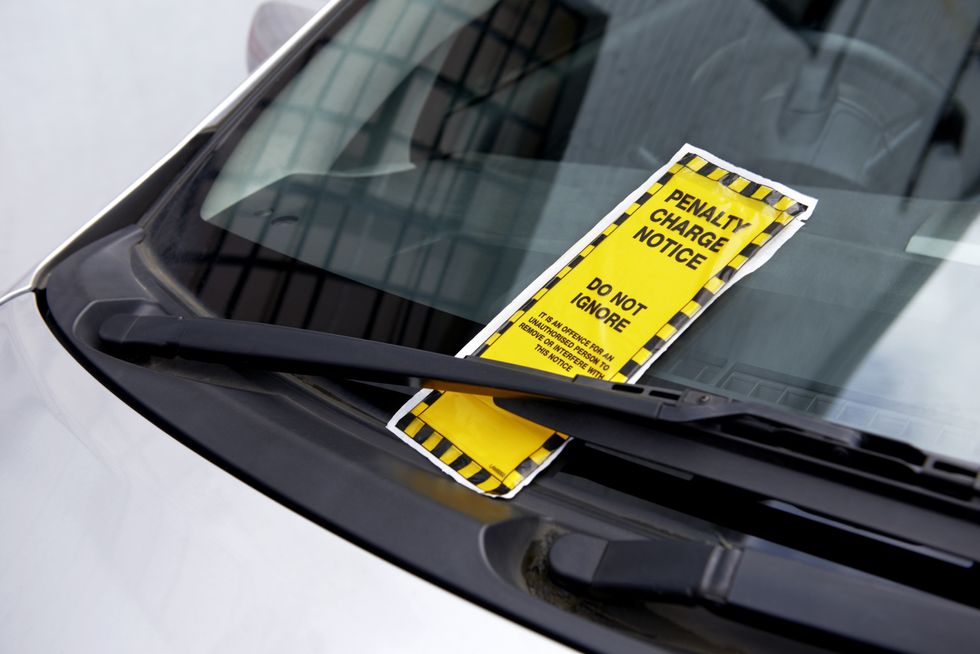
Research by the RAC found councils were making yellow boxes larger than necessary
| GETTYThe study was carried out by Sam Wright, a chartered engineer who previously oversaw yellow box design and approval for Transport for London roads. He analysed the 100 junctions that issued the most fines in 2019.
His findings showed that 98 out of the 100 yellow boxes were bigger than they needed to be to do their job of keeping junctions clear. On average, the boxes were around 50 per cent larger than necessary.
The research also found 53 of the junctions had no traffic lights and could have been replaced with simple "keep clear" markings instead. The changes would have allowed traffic to flow while removing the risk of drivers being hit with fines.
Mr Wright said the current system unfairly penalises drivers for minor mistakes. He said: "The current official design guidance is woefully inadequate and needs to be updated."
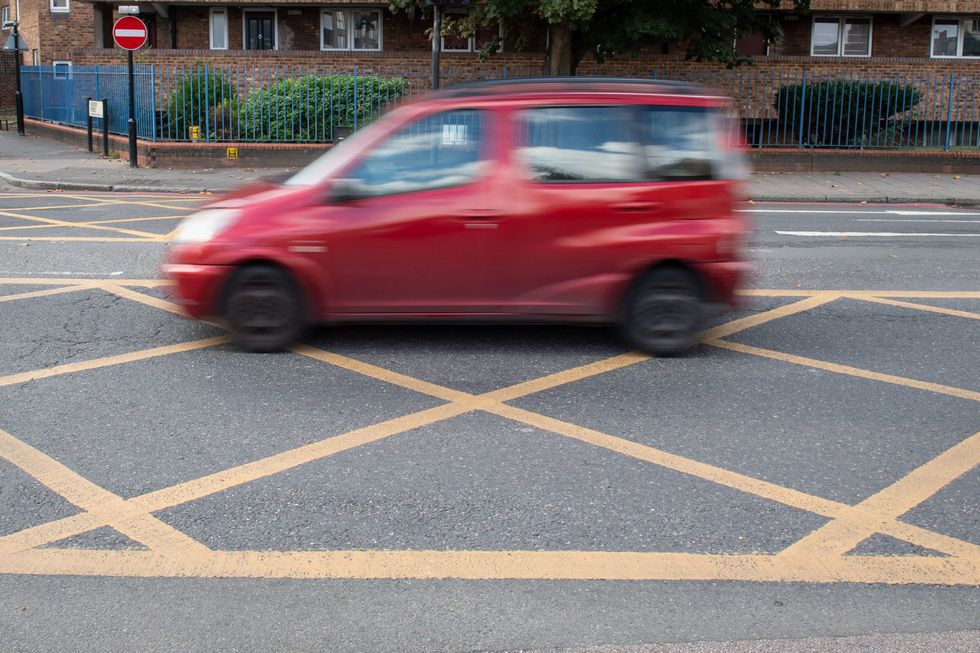 Drivers can be fined for stopping in a yellow box junction | PA
He warned even a car's bumper sticking into a yellow box can trigger a fine of up to £160, adding that poor visibility in rain or darkness makes it even harder for drivers to judge where boxes end.
The RAC has also raised serious concerns about how yellow boxes are being used.
Rod Dennis, the organisation's spokesperson, said: "With more and more councils starting to enforce yellow box junctions, it is absolutely vital they are designed first and foremost with aiding traffic flow and that they don't exist simply to raise revenue from drivers."
He warned that oversized boxes risk catching out motorists whose actions have not actually caused congestion.
In the UK, fines for yellow box junctions vary widely depending on where drivers are caught.
On Transport for London red routes, motorists face penalties of £160, reduced to £80 if paid within 14 days. London borough fines are £130, falling to £65 for early payment.
In Cardiff and other English authorities with enforcement powers, drivers are fined £70, reduced to £35 if paid within 21 days.