










British drivers who bought hybrid cars are paying far more for fuel than they were promised, according to shocking analysis released today.
Research from the Energy and Climate Intelligence Unit (ECIU) shows how motorists driving plug-in hybrid electric vehicles have been spending almost double what car manufacturers claim their fuel costs should be.
The study found owners are paying more than £450 extra every year compared with official figures used to sell these vehicles.
Plug-in hybrids were originally marketed as a cheaper and greener option, combining a small battery with a petrol engine. Carmakers claimed this setup allowed drivers to rely mainly on electricity, keeping fuel bills low. But in the real world, that is not what is happening.
The ECIU looked at the UK's most popular plug-in hybrid models and found a large gap between advertised running costs and what drivers actually pay.
Manufacturers claimed the best-selling PHEVs should cost around £530 a year to run on petrol and electricity combined, but in reality, drivers were found to be spending closer to £985 a year.
This sharp increase was largely due to plug-in hybrids using far more petrol than official tests in the report have suggested.
Separate research by Transport & Environment found plug-in hybrids burned 490 per cent more fuel in everyday driving than manufacturers claim.
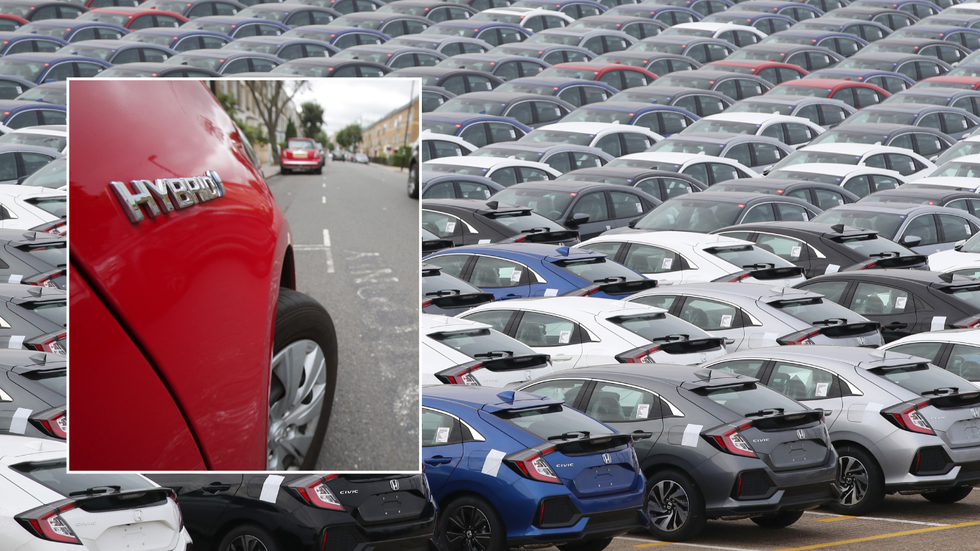
The report revealed misconceptions around the pricing of hybrid vehicles
| PA/GETTYBecause petrol costs far more per mile than electricity, drivers who rely on the engine instead of the battery quickly see their fuel bills rise. Many owners either cannot charge regularly or find the electric-only range too limited for daily use.
But fuel is only part of the problem. When the ECIU looked at total ownership costs, including purchase price, insurance, tax and servicing, plug-in hybrids performed even worse.
Over their lifetime, the UK's most popular PHEVs were found to cost £81 more per year than a standard petrol car. This undermined one of the main reasons people are encouraged to buy them in the first place.
The comparison with fully electric vehicles was even more striking. Drivers of plug-in hybrids face total ownership costs that are nearly £1,000 higher per year than those driving similar battery-electric cars.
LATEST DEVELOPMENTS
Colin Walker, Transport Analyst at the Energy and Climate Intelligence Unit, said: "This increasingly looks like a scandal with echoes of 'dieselgate'. The industry's successful lobbying of the Government will encourage the sale of hybrids and keep the nation's driving bills high."
He warned growing numbers of hybrids on the road would create long-term problems for ordinary drivers.
"Expanding the pool of hybrids on the road will leave the second-hand market, where most of us buy our cars, awash with vehicles that are much more expensive to run and own than EVs," he said.
Mr Walker also said motorists already face a major "petrol premium" compared with electric vehicles, costing hundreds or even thousands of pounds each year. Plug-in hybrids, he said, suffer from a similar penalty.

Petrol cars were reportedly cheaper to run than hybrid models
| PAEven with the new 3p per mile levy on electric vehicles coming in 2028, Mr Walker said EVs remain cheaper overall to own and run.
The findings come after the Government decided to water down the Zero Emission Vehicle mandate, which was amended in April last year to allow more hybrids on the roads until 2035.
Plug-in hybrids were seen to be especially useful for manufacturers because they score very low on official CO2 tests. But critics said those figures do not reflect real driving.
Mr Walker warned the policy shift risks higher costs for households and businesses, calling it "a real knock to the nation's productivity" as drivers spend more on transport than necessary.
Our Standards: The GB News Editorial Charter