










A growing number of experts are calling on the Government to introduce new rules that could see devices installed in all new vehicles in a bid to improve road safety.
The Lock Out Drink-Driving Campaign welcomed road safety experts, policing leaders and parliamentarians to evaluate potential measures to crack down on motorists breaking road rules.
The campaigners gathered in Westminster to call for the introduction of alcohol interlock technology into vehicles.
So-called "alcolocks" can be installed in cars to prevent the vehicle from engaging if the driver exceeds the legal limit of alcohol.
TRENDING
Stories
Videos
Your Say
The breathalyser-type devices have gained support in recent months and years as drink-driving remains prevalent among motorists.
It comes as recent research from the RAC revealed that more than 2,500 drivers have been caught on three separate instances in the last 11 years.
An estimated 260 people were killed in collisions involving a driver over the legal limit last year, with more than 1,600 left with serious injuries.
At present, the legal drink-driving limit is 80 milligrams of alcohol per 100 millilitres of blood or 35 micrograms of alcohol per 100 millilitres of breath in England, Wales and Northern Ireland.
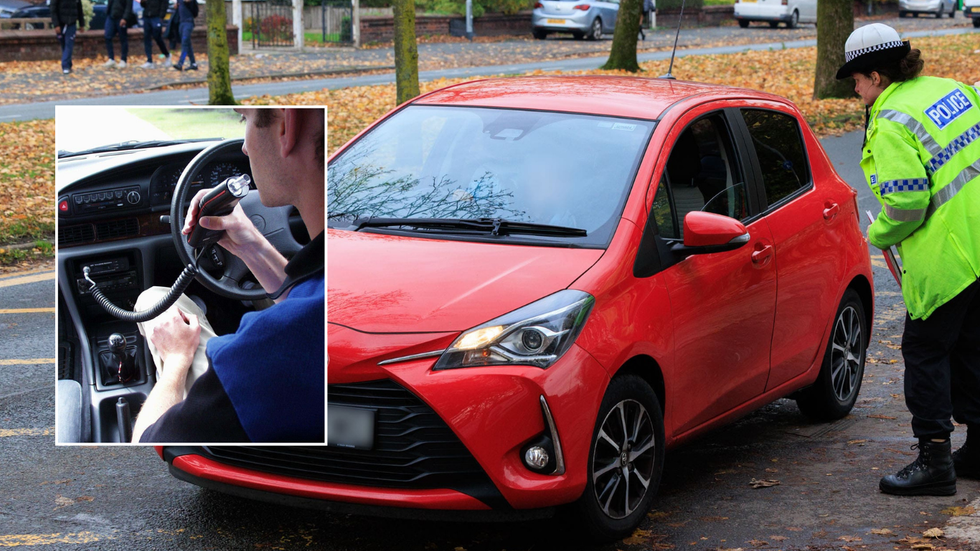
The use of alcolocks could be enforced under the new Road Safety Plan, amid growing support for the new measures
| GREATER MANCHESTER POLICE/PAThere have been calls for these limits to be slashed to meet Scottish standards and align with much of the rest of Europe.
The measures were included in the Government's recently published Road Safety Strategy, which aims to lower the drink-drive limit in a bid to reduce fatalities and serious injuries.
Commenting on the surge in support for new alcolocks, Sam Carling MP, who chaired the recent roundtable, said drink-driving led to devastating consequences for individuals, families and wider communities.
The Labour MP for North West Cambridgeshire added: "The Government’s Road Safety Strategy is a welcome opportunity to change this, and this roundtable showed that there is a clear appetite for the UK to go further.
LATEST DEVELOPMENTS
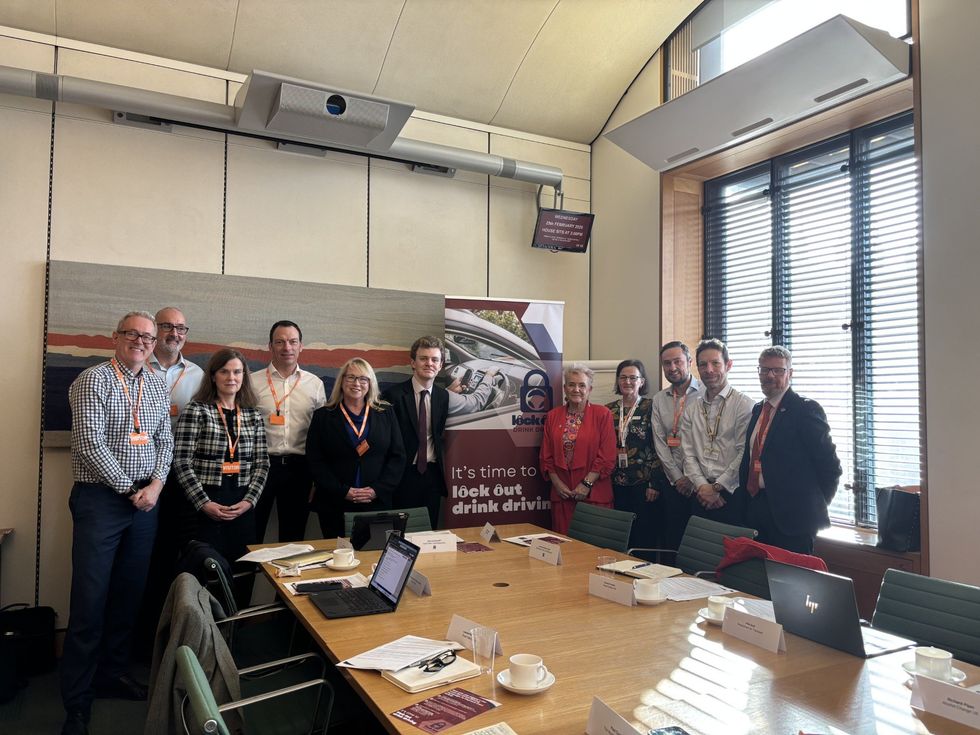
The Lock Out Drink Driving Campaign welcomed a number of stakeholders to a roundtable recently
|THE LOCK OUT DRINK DRIVING CAMPAIGN
"Backed by significant evidence, alcohol interlock technology must be another tool available to our courts to tackle dangerous repeat drink-driving offenders."
The Lock Out Drink-Driving Campaign highlighted international data which showed that up to 75 per cent of disqualified drink-drivers continue to get behind the wheel illegally.
Proposals, which have been backed by the RAC, Brake, Road Safety GB and the Road Victims Trust, have been shown to slash repeat drink-driving offences by up to 70 per cent.
Further RAC research shows that 82 per cent of drivers across the country support the introduction of alcolocks to prevent drink-driving.
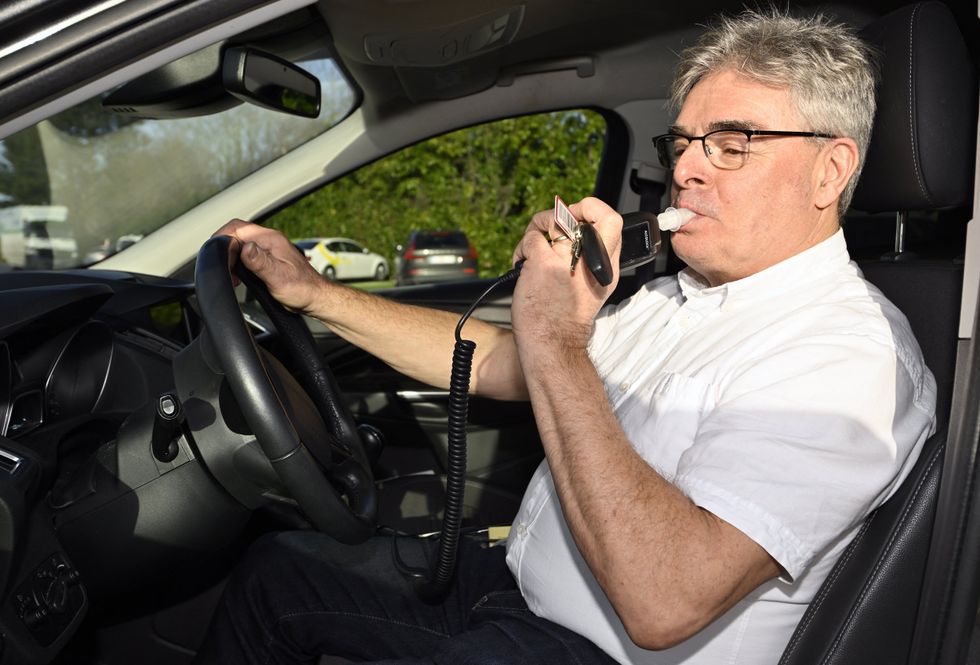 Campaigners have called for alcolocks to be made permanent | GETTY
A spokesperson for the Lock Out Drink-Driving Campaign welcomed the Government's new target for reducing deaths and serious injuries on roads by 65 per cent by 2035.
It called on the Government to introduce a mandatory alcolock programme for high-risk and repeat drink-drive offenders as an "immediate priority" in the Road Safety Strategy.
Rod Dennis, RAC road safety spokesperson, backed the new proposals, describing recent drink-driving statistics as causing "collective anger".
He continued, saying: "Alcolocks represent an opportunity to change this and to bring these numbers down. Our research shows a strong majority of drivers are in favour of them being used to reduce instances of repeat drink-driving.
"There are already examples of this technology being used successfully in many other countries around the world, and we should follow the evidence."