









Roughly three in five motorists have backed plans to force drivers aged 70 and over to take compulsory eyesight tests, according to new research.
A new poll has found that 72 per cent of drivers back mandatory vision checks every three years for older motorists. The proposal would replace the current system, where drivers simply declare themselves fit to drive when renewing their licence.
The findings follow the Department for Transport launching a public consultation on changing the rules for older drivers as part of the wider Road Safety Strategy.
Under current rules, motorists must renew their driving licence when they turn 70 and then every three years after that, although they are not required to provide medical evidence or proof that their eyesight meets legal driving standards.
TRENDING
Stories
Videos
Your Say
The Government is now considering whether formal eye tests should become part of the renewal process for drivers aged 70 and above.
Drivers over 70 make up just 13 per cent of licence holders, but account for nearly a quarter of driver deaths on UK roads.
There are now more than 6.3 million drivers aged 70 or over holding full licences in Britain, which has increased by 60 per cent since 2012, with around two million older drivers renewing their licences every year.
Several high-profile fatal crashes involving elderly drivers have raised questions over whether self-declaration is enough to keep roads safe.

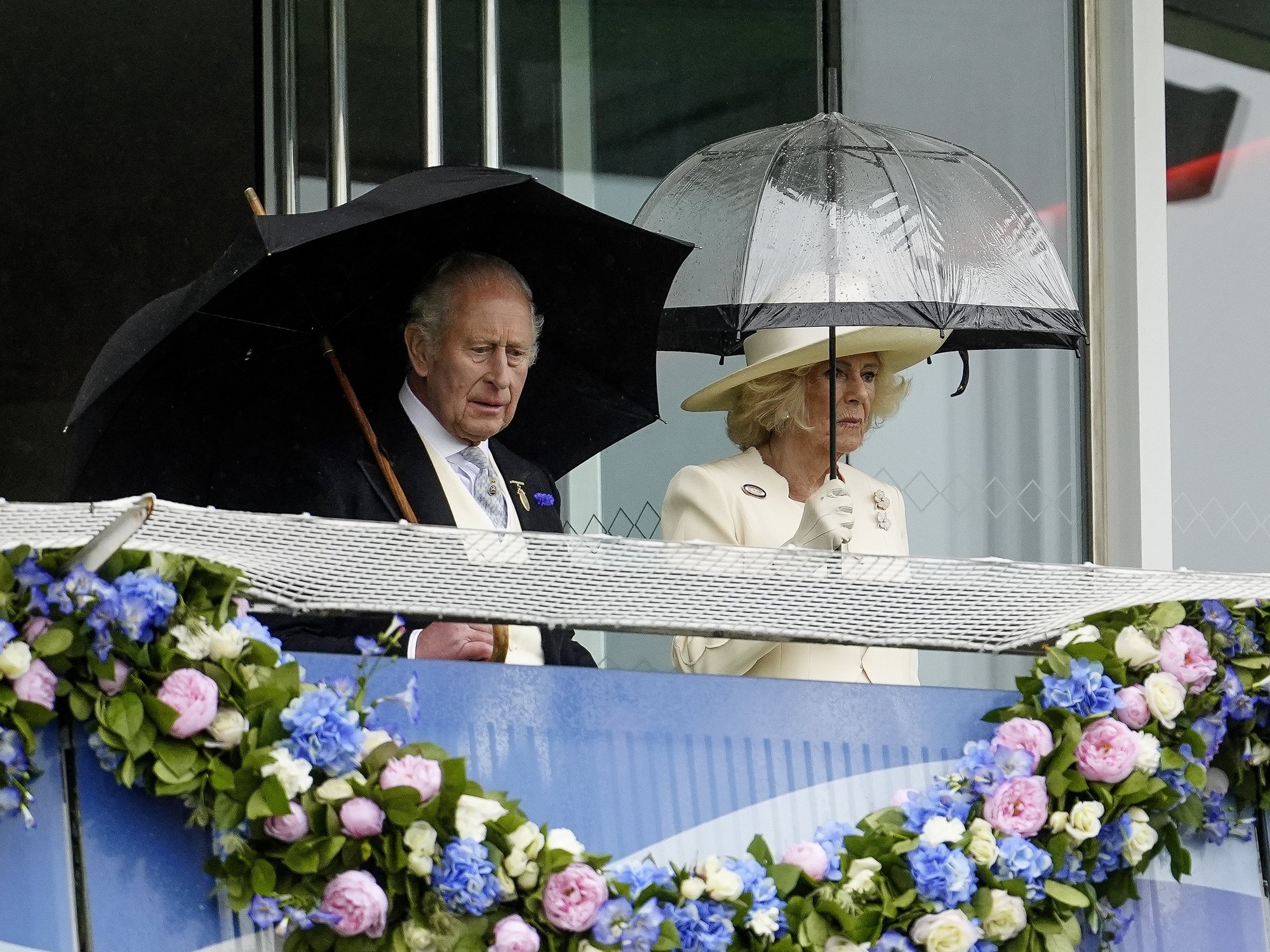
Elderly drivers have to renew their licence every three years once they reach 70 years of age
| GETTYIn one roadside test carried out in 2024, police found that 10.2 per cent of drivers aged between 81 and 90 failed a basic number plate reading test, which is the legal eyesight requirement for driving.
Medical experts warned that eyesight naturally worsens with age, with conditions such as glaucoma and macular degeneration becoming more common in later life.
The survey questioned 714 drivers between 13 and 15 January, finding that 44 per cent strongly supported compulsory vision testing for older motorists.
Support for eye testing was not limited to older drivers, with more than three-quarters of respondents saying eyesight checks should apply to drivers of all ages.
LATEST DEVELOPMENTS
Around 45 per cent backed vision tests every three years regardless of age, while 31 per cent wanted checks at every licence renewal.
Only five per cent of those surveyed were completely opposed to any form of compulsory eye testing. Steve Walker, Head of Digital Content at Auto Express, said good eyesight was essential for safe driving.
He said: "There's no question that good eyesight is fundamental to safe driving, and Auto Express has long encouraged motorists of all ages to have regular eye tests.
"However, the evidence shows that eyesight can deteriorate more quickly with age, and older drivers are statistically more likely to be involved in serious accidents, which is why targeted, mandatory checks for over-70s make sense from a road safety perspective."
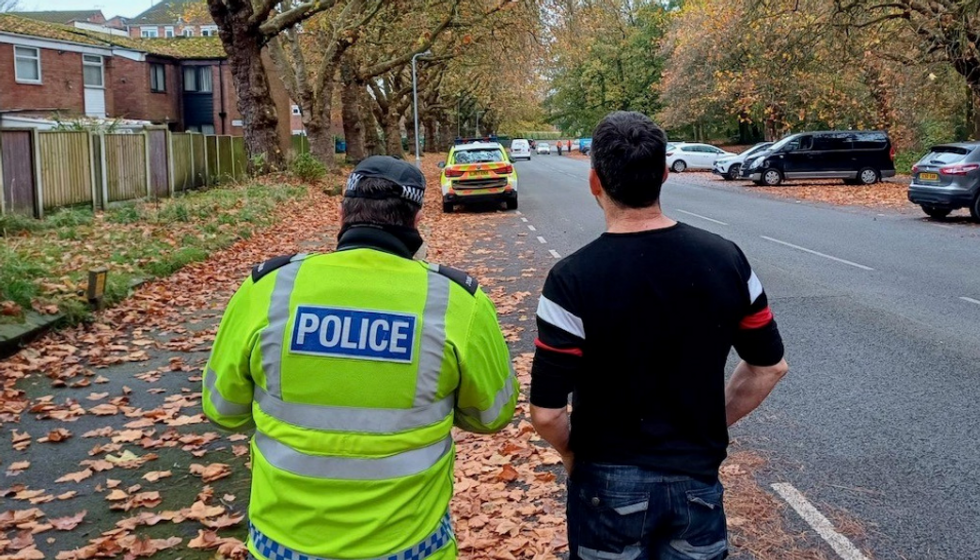 Drivers must be able to read a registration plate from 20 metres away to travel on UK roads | MERSEYSIDE POLICE
However, Mr Walker warned against bringing in frequent compulsory tests for younger drivers. "Introducing compulsory checks every 10 years for all drivers risks being overly bureaucratic when the evidence shows eyesight deterioration is far more likely later in life," he added.
The Government consultation is asking the public who should carry out any future tests and how often they should take place.
Transport Minister Lilian Greenwood said the issue required a careful balance. "I recognise that having a driving licence is a lifeline for many and provides independence and freedom," she said. "However, we need to ensure older drivers can continue to drive safely as long as they are fit and healthy to do so."
The Department for Transport has also suggested that future changes could include cognitive testing for older drivers.