







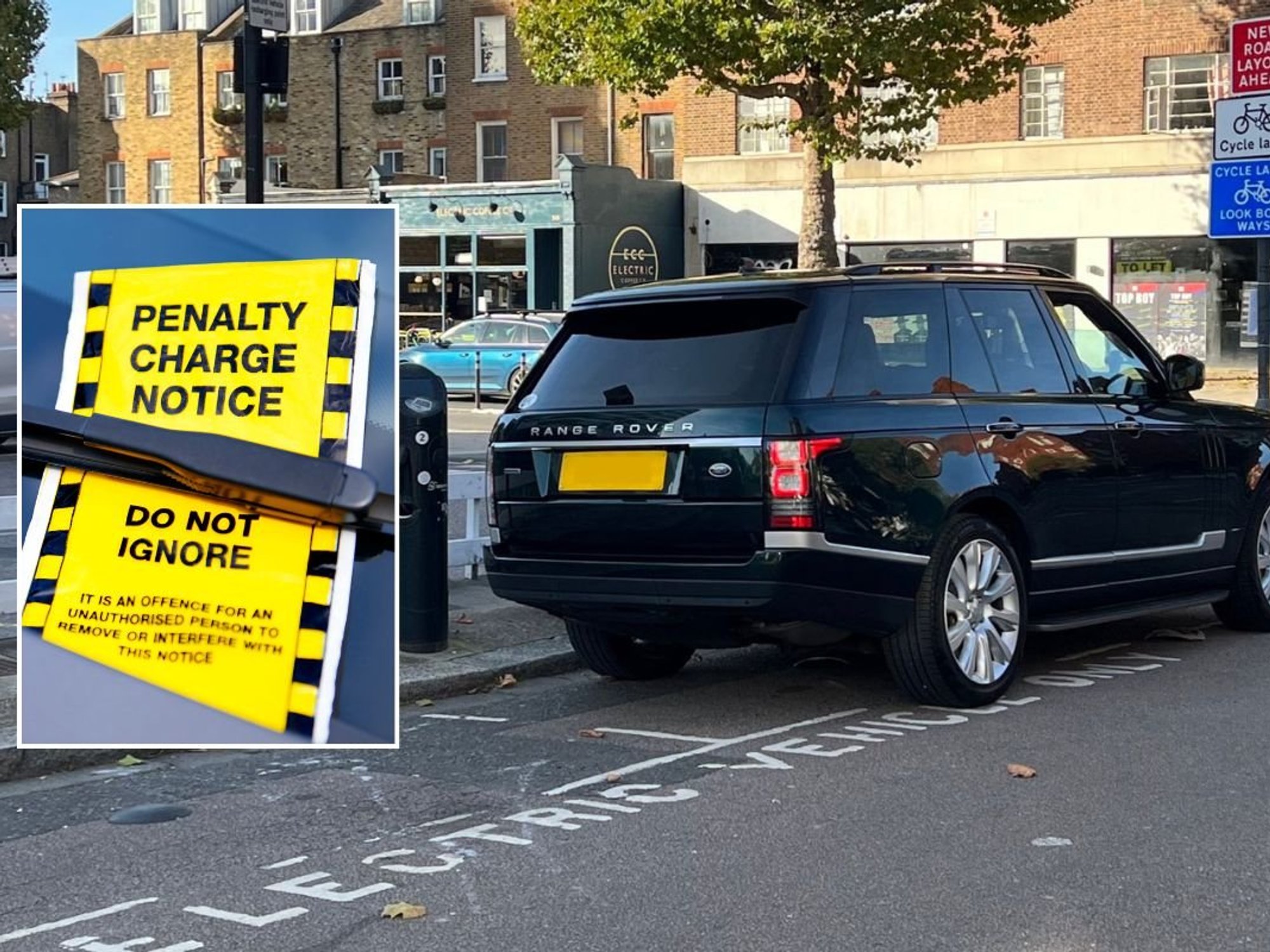


The London Assembly Transport Committee has launched an inquiry into driverless taxis as firms push to bring robotaxi services to London before the end of the year.
It will look at how self-driving taxis could be licensed and what role the Mayor of London and Transport for London should play in regulating them.
Several companies have already started testing autonomous vehicles in London, including Waymo with 24 human-operated cars, while others plan to launch trials soon.
Last year, the Department for Transport confirmed plans to speed up approval for small-scale driverless taxi and bus services, allowing vehicles without safety drivers to operate from the spring.
However, research by automotive data company HPI found that almost four in five people in London would not feel comfortable travelling in a vehicle without a driver, while only 21 per cent said they trusted the technology.
The report also found that more than a third of those surveyed questioned whether autonomous systems were reliable enough for public use.
The move towards driverless taxis has raised concerns about the future of traditional cab and private hire drivers.
Across the UK, there are more than 380,000 licensed taxi and private hire drivers whose jobs could be affected by automation.
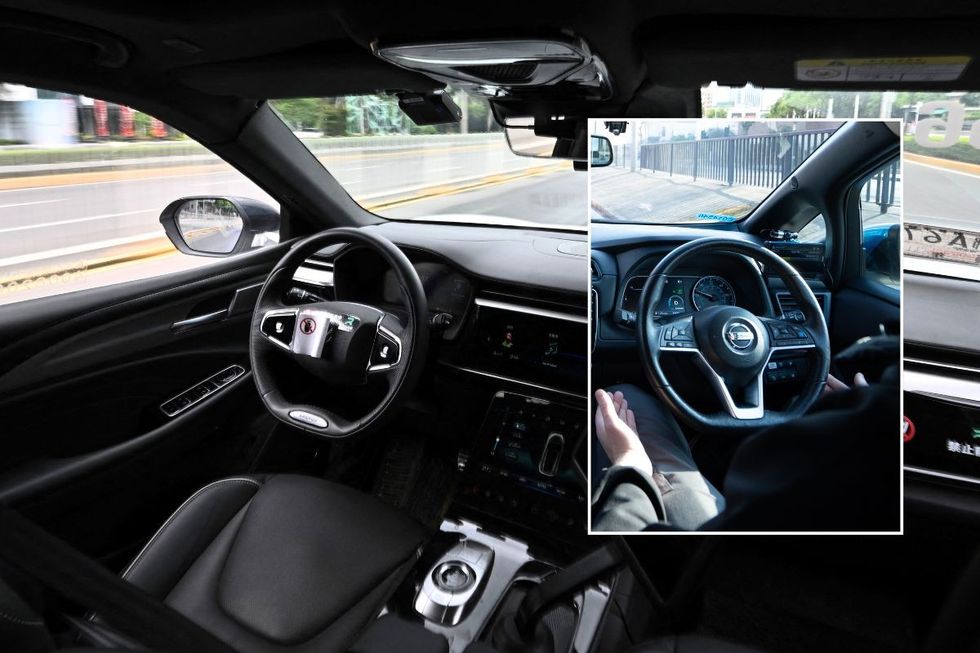 Self-driving vehicles are expected to be on the roads by the end of this year | GETTY/PA
The Transport Committee said it will examine the impact on employment as part of its inquiry into how robotaxis could change transport in the capital.
There are also wider concerns about allowing private technology companies to control major parts of London's transport system.
Critics warned the city could become dependent on commercial firms, including foreign-owned businesses, to run key services.
Safety remains one of the biggest issues, even though Waymo claims its vehicles are involved in "92 per cent fewer collisions" than human drivers.
LATEST DEVELOPMENTS
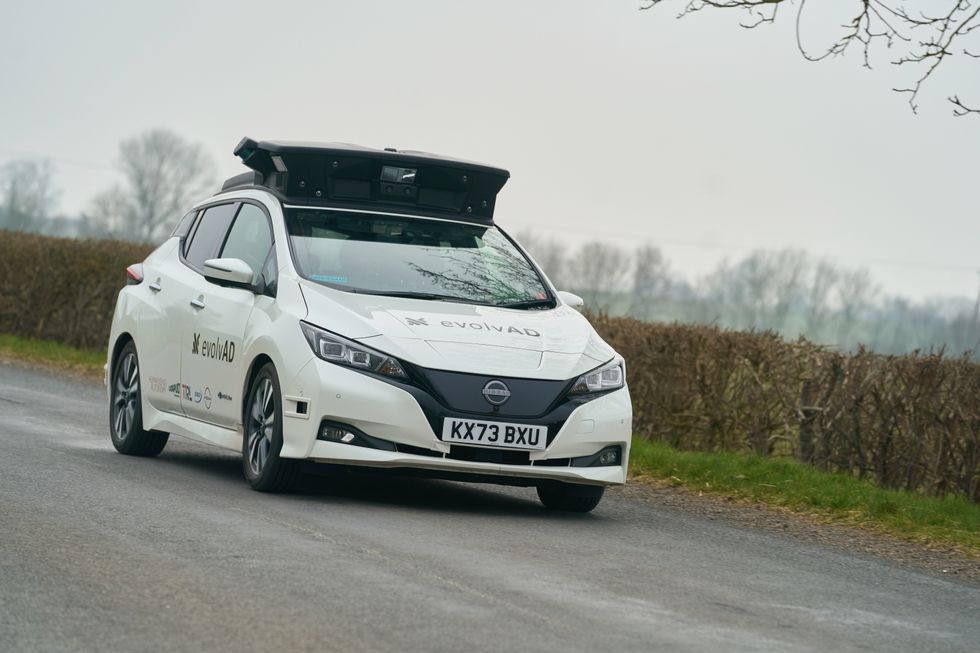 Drivers have raised safety concerns about self-driving cars | NISSAN
However, the Assembly argued that comparisons are difficult because self-driving cars have not yet been tested over enough miles or in enough situations to fully prove they are safer.
Cybersecurity experts have also warned about the risks of hacking, with Government analysis from 2022 claiming that connected and autonomous vehicles could become targets for criminals or terrorists.
Officials warned that hackers could attempt to disrupt transport networks or even demand ransom payments by taking control of vehicle systems.
The London Assembly inquiry will look at whether these risks can be properly managed before commercial services are allowed to launch.
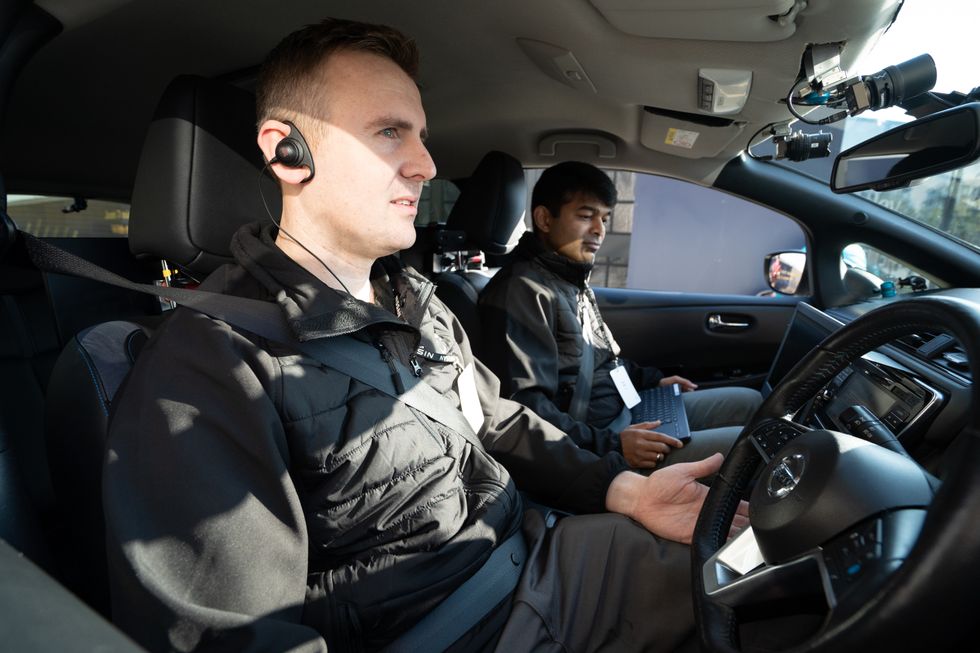
The self-driving sector could be worth £ 66billion in 2035
| PAThe Society of Motor Manufacturers and Traders estimated that self-driving transport could add £66billion to the UK economy by 2040.
The Government has also promoted autonomous technology as a way to attract international investment and create new jobs in the technology sector.
However, Assembly members questioned how robotaxis fit with the Mayor's wider transport goals, including reducing road danger through the Vision Zero strategy, cutting traffic levels by up to 15 per cent and encouraging more people to walk, cycle or use public transport.
Transport for London updated its guidance on autonomous vehicles last year, saying that any future rollout must support "safer roads", "better air quality" and "protection for vulnerable road users".