








Sadiq Khan has come under fire for failing to improve road collisions across the capital despite introducing punishing measures for drivers.
New figures released by Transport for London showed that serious injuries rose by eight per cent, climbing from 3,597 in 2024 to 3,900 in 2025.
The rise has sparked fresh questions over whether restrictions, including lower speed limits and road changes, have been making London's streets safer.
However, the data also showed some improvement, with the number of people killed on London’s roads falling by almost 13 per cent, while fatalities dropped from 110 in 2024 to 96 in 2025.
The transport authority explained that more action is still needed to reduce deaths and serious injuries across the capital.
Under the Mayor's Vision Zero strategy, TfL has introduced a series of measures aimed at cutting road danger, including expanding 20mph speed limits, redesigning high streets and increasing enforcement against dangerous driving.
TfL said the programme has already prevented an estimated 262 deaths since 2015, although new data suggests that pedestrians, cyclists and motorcyclists continue to face the greatest danger on London's roads.
Six cyclists were killed in 2025, despite cycling levels continuing to rise across the capital. According to TfL, there were around 1.5 million daily cycle journeys last year, up 12.7 per cent from 1.33 million in 2024.
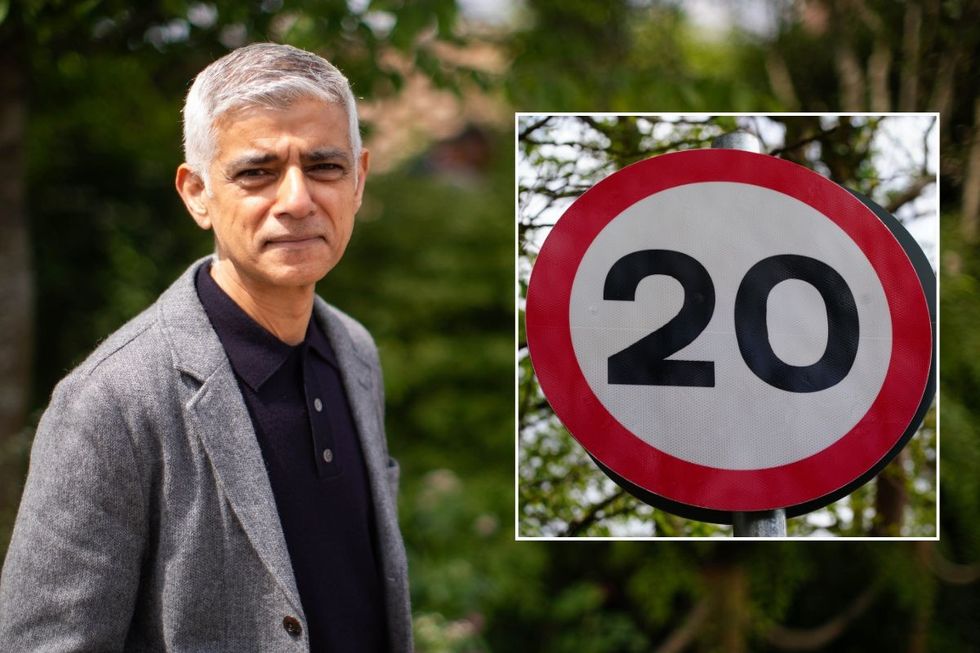 Sadiq Khan has consistently backed the use of 20mph speed limit roads | PA
TfL argued that the overall risk of being killed while cycling has fallen, noting that casualties per million cycle journeys dropped by 27 per cent compared with the 2010 to 2014 baseline.
The strategic cycle network has also expanded significantly as part of plans to encourage active travel, growing from 90km in 2016 to more than 441km in 2025.
Despite the changes, cars continued to be involved in the most serious and fatal collisions last year, with speeding identified as one of the biggest dangers on London's roads, contributing to 57 per cent of fatal crashes.
TfL and the Mayor have continued to lower speed limits across the capital, with more than 250km of TfL roads now covered by 20mph restrictions, with the intention to include more roads.
LATEST DEVELOPMENTS
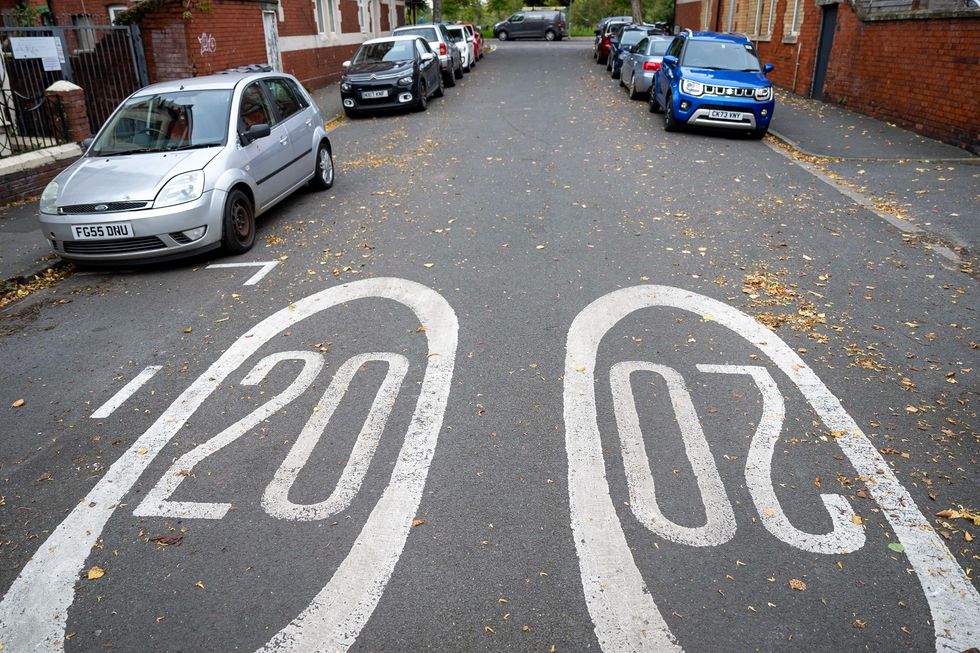 The Vision Zero action plan will see the introduction of more 20mph speed limit roads | GETTY
At least another 65km of roads are expected to have lower speed limits by 2030 under current plans.
The report also highlighted concerns around drivers and riders working in delivery and transport jobs, such as fatigue, time pressure, high mileage, app distractions and navigating busy urban streets.
The authority also estimated that between 2022 and 2024, around 45 per cent of all people killed or seriously injured on London's roads were involved in collisions with a working driver or rider.
Worryingly, this equated to roughly 1,700 people every year, including roughly 1,450 members of the public.
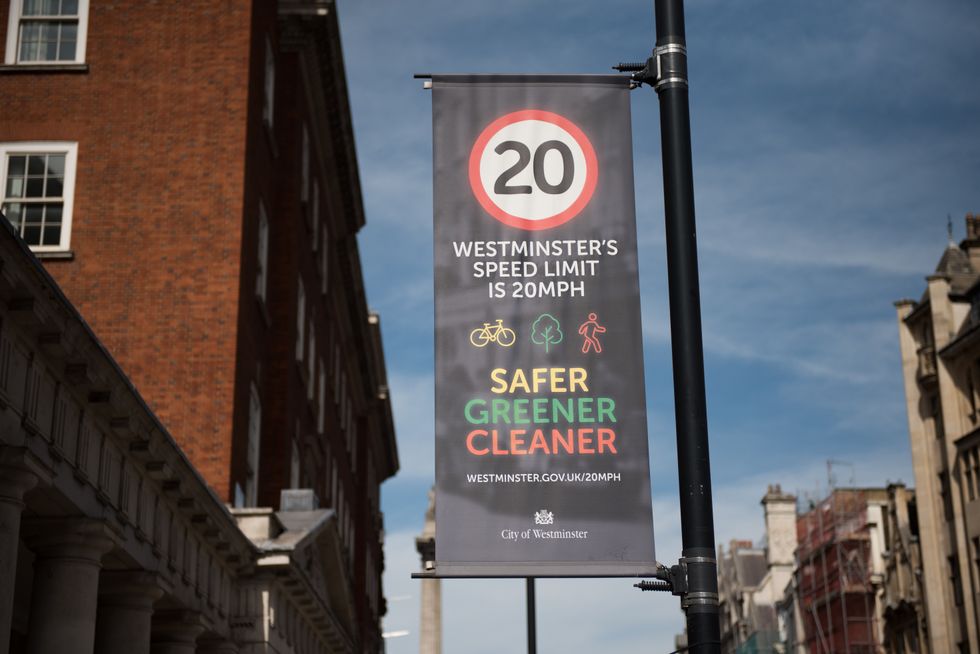 There are more than 264km of 20mph speed limit roads across the capital | GETTY
Lilli Matson, TfL's Chief Safety, Health and Environment Officer, said: "Any death or serious injury on our roads is unacceptable, and our thoughts are with the families and friends of the 96 people who were tragically killed in 2025.
"While it is encouraging that fatalities have fallen to one of the lowest levels on record, we are deeply concerned by the increase in serious injuries."
Despite the setback, she added that the authority remained committed to achieving Vision Zero by eliminating all road fatalities by 2041.
"We've set out an ambitious new plan, working with boroughs, the police and communities, to tackle road danger, reduce speeds and make streets safer for everyone walking, cycling and travelling across the capital, as we build a better and safer London for everyone," she concluded.