




Transport for London will oversee the rollout of new "radar-based cameras" across the capital in a bid to crack down on dangerous drivers as part of Sadiq Khan's road safety plans.
The transport authority will work with the Metropolitan Police Service to trial a new type of radar-based camera to improve enforcement of drivers breaking speed limits.
Current camera technology used on roads across London uses sensors embedded in the road surface to detect the speed of cars passing by.
However, the new cameras use a 4D radar and a 4K colour camera that increases reliability and provides a more effective method of detection.
TRENDING
Stories
Videos
Your Say
Transport for London noted that the new radar cameras require "no visible flash or white light", nor do they require road markings or sensors.
It is hoped that the cameras will provide a clearer picture of the road, allowing the police to improve the enforcement process against dangerous drivers.
TfL and the Met Police will be able to use the cameras to monitor up to five lanes of bi-directional traffic from a single camera.
The current spot cameras can only monitor three lanes of traffic, in addition to requiring sensors in the road.
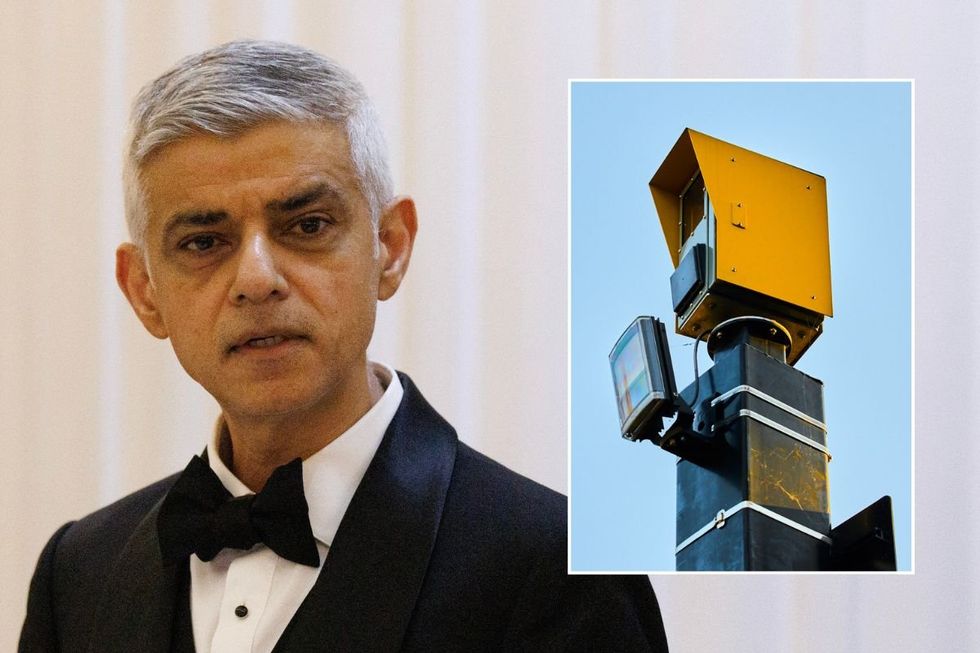
TfL will trial the use of 'radar-based' cameras as part of a push for greater road safety benefits
|PA/TFL
Siwan Hayward, TfL's director of security, policing and enforcement, said: "Speeding continues to be a major cause of the most devastating collisions on our roads.
"This trial allows us to test new radar‑based camera technology to ensure it meets London's future enforcement needs.
"Upgrading our camera network is vital to maintaining strong, consistent enforcement, and together with the Met, we are using every tool available to deter speeding, reduce road danger and save lives."
The new cameras will be installed at sites in Haringey, Tower Hamlets, Havering, Croydon, Hammersmith and Fulham, Brent, Hackney, Ealing and Sutton.
LATEST DEVELOPMENTS
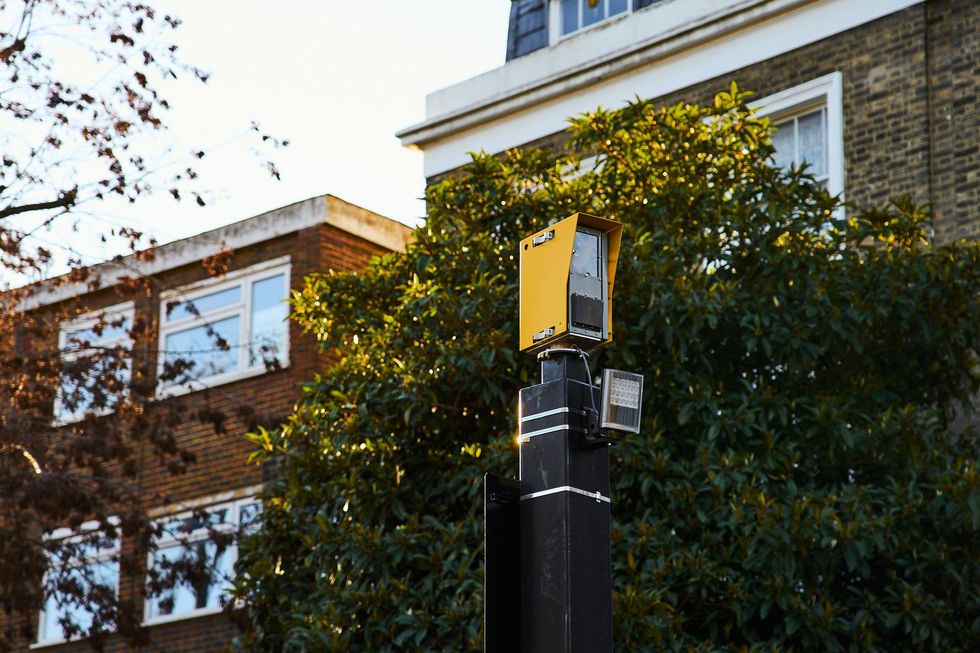
The new cameras will be used across London as part of a trial period
|TFL
The trial period will first focus on roads with a 20mph or 30mph speed limit, and has been picked based on their suitability for the scheme, as well as the risk of vehicles travelling on those stretches of road.
The new measures come as London Mayor Sadiq Khan unveils his Vision Zero Action Plan 2, which is designed to cut the number of deaths and serious injuries on the capital's roads by 2041.
Other proposals include an increase in the number of 20mph speed limits, more cycle lanes and even the potential for a tax on larger, SUV-type vehicles.
Sir Khan said the changes already introduced under his leadership had resulted in London's roads becoming safer than the rest of the UK and equivalent capital cities, including New York and Paris.
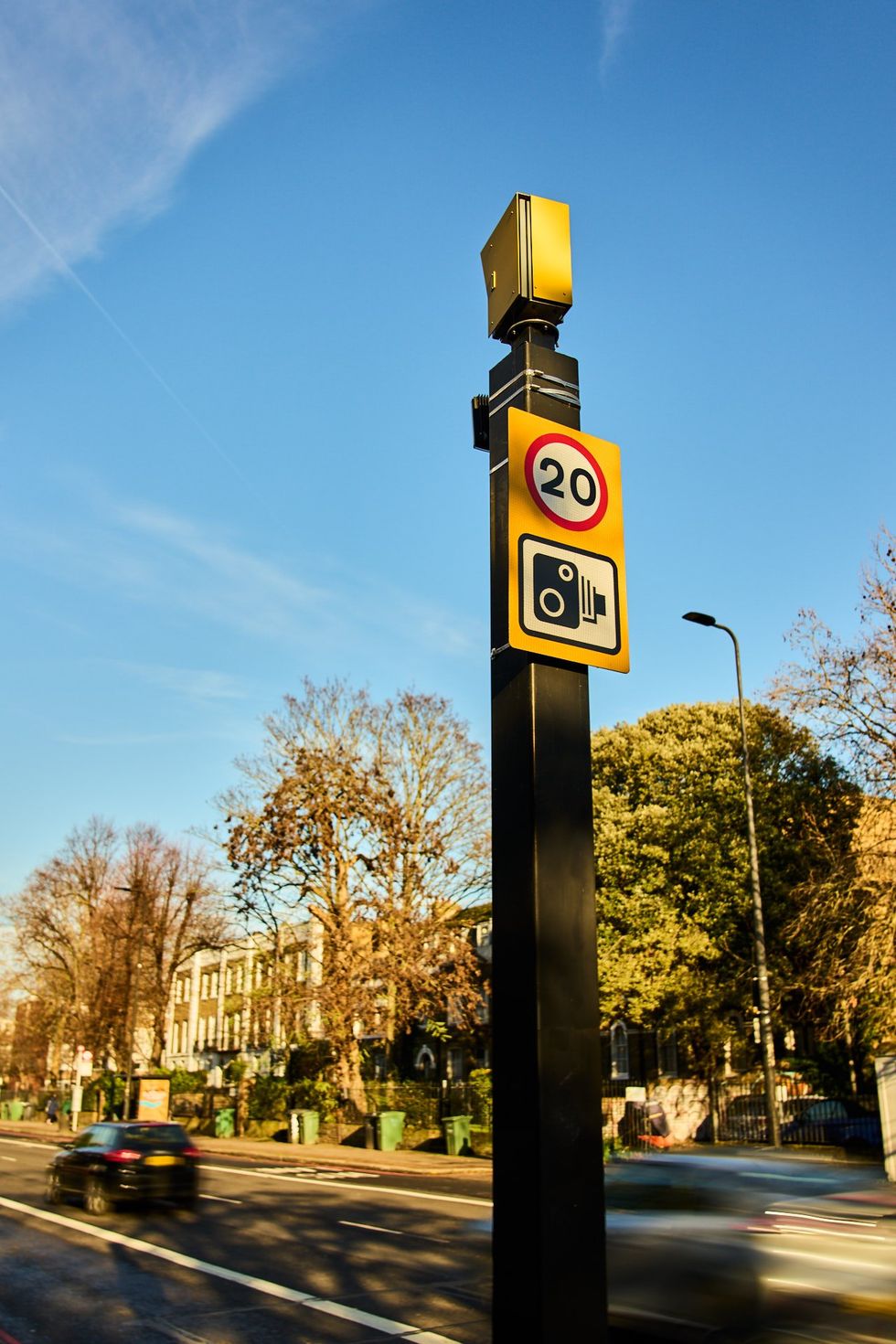
The 'radar-based' road cameras will be trialled across 10 different locations around the capital
|TFL
TfL said it remained committed to delivering at least 65km of safer speed limits on the TfL road network, as well as helping boroughs make the transition to more 20mph zones.
It also included proposals to expand the camera network with AI devices to track whether drivers were using their mobile phones at the wheel and wearing their seatbelts.
Detective Chief Superintendent Donna Smith, of the Met's Roads and Transport Policing Command, said: "Working alongside TfL, the Met will use every tool available, including new radar‑based camera technology, to deter dangerous driving and support Vision Zero's ambition of eliminating deaths on London’s roads.
"This trial will improve reliability and deliver better quality images, helping our officers hold offenders to account and ensuring we have a modern and effective enforcement system that saves lives."