






Labour has been urged to slash a significant barrier for electric vehicles in a bid to increase uptake and encourage drivers to give up petrol and diesel cars.
Fresh data revealed that reducing VAT on public EV charging from 20 per cent to five per cent could save drivers around £350 a year, offering a significant boost for electric cars.
According to the poll of more than 3,700 motorists, 47.5 per cent said they would be "more likely" to make the switch if a new VAT rate was introduced, with 31.2 per cent saying they would be "much more likely" to do so.
The findings highlighted growing pressure on policymakers to address what many see as an unfair cost gap between drivers who can charge at home under much cheaper rates than those who cannot.
TRENDING
Stories
Videos
Your Say
A key issue for EV adoption has been accessibility, with the survey finding that more than a fifth of drivers do not have the ability to install a home charger.
This includes 11 per cent who rely on on-street parking, six per cent with a private space but no charging capability, three per cent using shared car parks, and 2.8 per cent with no regular parking access at all.
For these drivers, public charging was found to be a necessity, despite it coming with significantly higher costs due in part to the higher VAT rate.
As a result, 76 per cent of respondents said cheaper public charging would make EVs more accessible to those without home charging options.
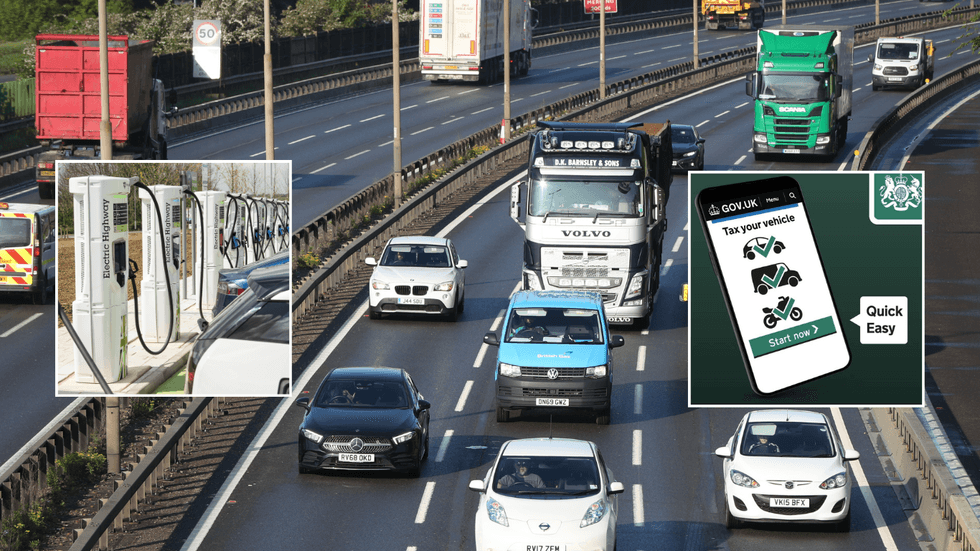
Electric cars are subject to a 20 per cent VAT rate at public charging points
|PA/GETTY/X/DVLA
Of these, just under three in five said it would "significantly" improve access, underlining the scale of concern around affordability.
Industry experts warned that the difference in charging costs risks slowing the UK's transition to electric vehicles, particularly among urban drivers and renters who are less likely to have off-street parking.
Steve Walker, head of digital content at Auto Express, said the findings reinforced concerns that public charging costs remain a major barrier.
He said: "It's clear that the cost of public charging is one of the biggest obstacles to wider EV adoption. Cutting VAT to five per cent would bring it more in line with home charging and remove a key financial disadvantage."
LATEST DEVELOPMENTS
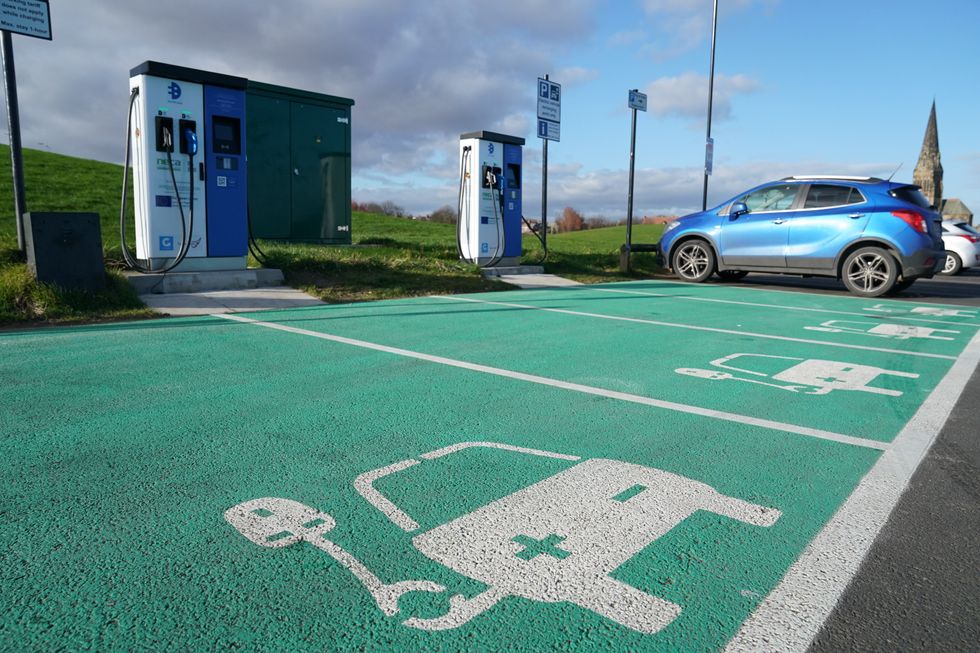
Experts warned that without the VAT cut, drivers will fail to buy an electric vehicle
| PAMr Walker added that home charging remains the most cost-effective way to run an EV, with electricity currently costing less than half as much as petrol over the same distance. However, he stressed that this option is not available to everyone.
He added: "While the majority of drivers do have access to a driveway or garage, a significant minority rely on public infrastructure.
"These drivers are disproportionately affected by higher costs, including the 20 per cent VAT rate currently applied to public charging."
Campaigners argued that without intervention, the current system risks creating a "two-tier transition" to electric vehicles.
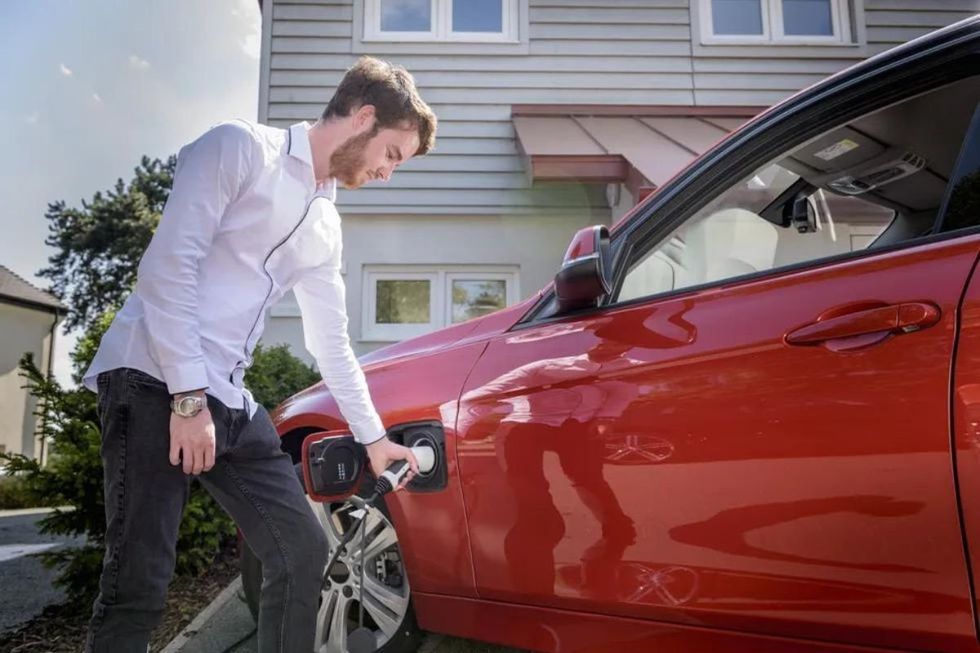 Drivers could save hundreds of pounds a year by charging their electric cars at home | GETTY
The push to cut VAT has been gaining traction as the Government continues to promote EV adoption as part of its broader Zero Emission Vehicle mandate.
Despite growing interest in EVs, concerns over cost, charging infrastructure and accessibility continue to shape consumer decisions.
Zapmap co-founder and chief operating officer Melanie Shufflebotham told GB News: "If you don't have the benefit of charging at home, you're being penalised twice. The benefit would be bringing down the cost of public charging, which ultimately benefits everyone."