








Labour has confirmed that new rules for how private car parks operate will be presented to Parliament in autumn this year, following an extensive public consultation exercise.
The Government declared its commitment to improving standards across the private parking sector during questions in the House of Lords today through the creation of the Parking (Code of Practice) Act 2019.
A departmental consultation launched last summer sought views on proposals to enhance practices throughout the industry before implementing the new code and its accompanying compliance framework for operators.
The process generated more than 4,500 submissions from the public, reflecting widespread interest in addressing the matter.
Baroness Taylor of Stevenage, Parliamentary Under-Secretary for Housing, Communities and Local Government, told peers that due to the substantial volume of responses, it required careful consideration before the new Code could be finalised, adding that the Government planned to bring forward the legislation in the autumn.
But Lord Kirkhope of Harrogate voiced his dissatisfaction with the pace of progress on the matter.
The peer reminded the chamber that he had steered the Parking Act through Parliament in 1989, legislation designed to assist with parking enforcement.
He noted that three decades elapsed during which "cowboy operators really did let rip on the motoring public" before his colleague Sir Greg Knight brought forward his own private member's bill.
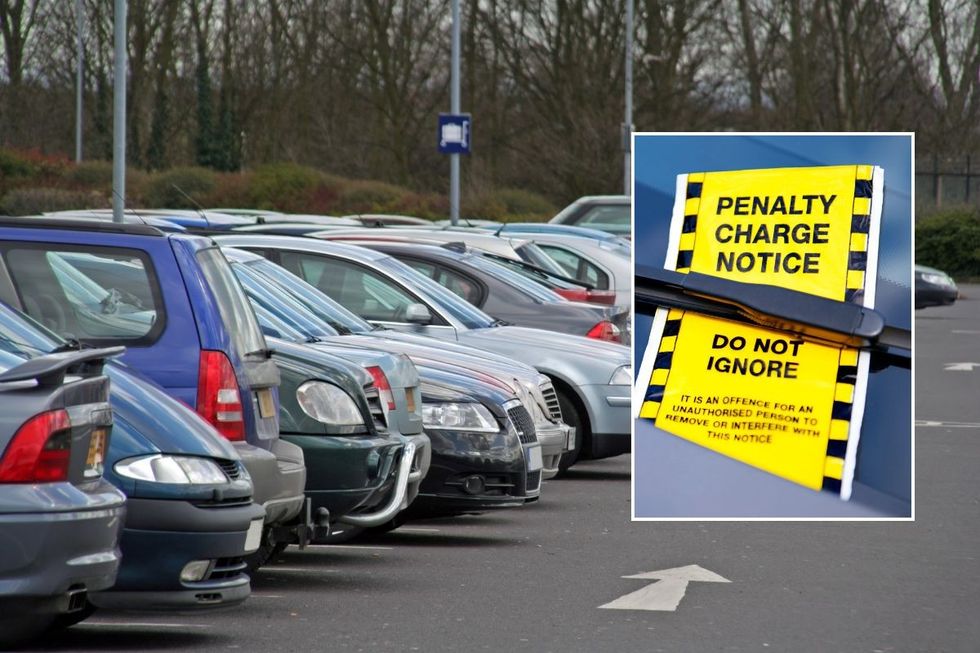
The new rules would aim to tackle the number of parking tickets issued by private parking companies
| GETTY"I really am very unhappy about the lack of progress in this matter," Lord Kirkhope declared, pressing the Minister to accelerate the process.
Speaking for what he described as the third time on this subject, he warned that continued delays would lead observers to conclude the Government was "simply parking it." But Baroness Taylor responded by explaining the complex history behind the current delays.
She noted that the previous administration had introduced a private parking code of practice in February 2022, which lowered charge levels and prohibited debt recovery fees.
However, the parking industry mounted a legal challenge against the charge caps, arguing that the economic consequences for the sector had not been adequately evaluated and that the caps lacked sufficient evidential foundation.
LATEST DEVELOPMENTS
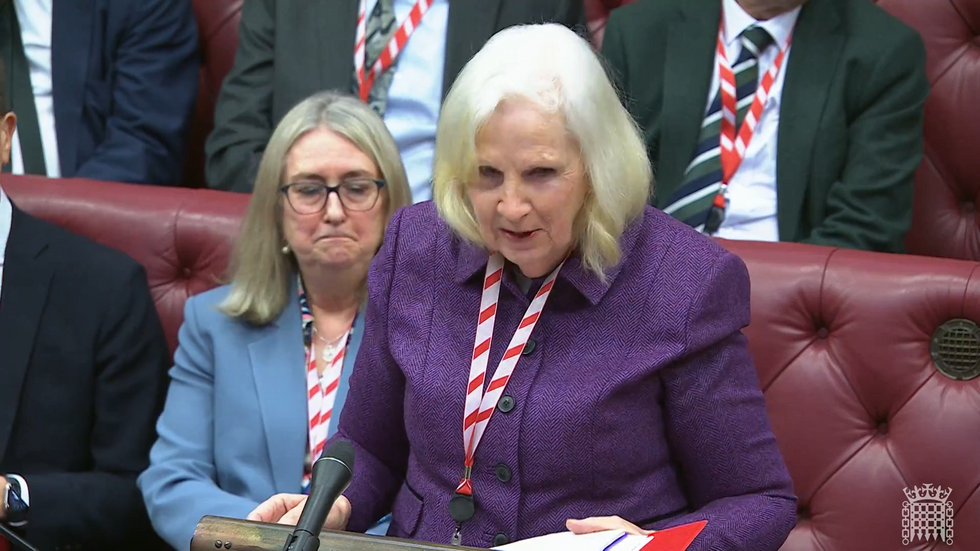
Baroness Taylor ruled out introducing a specific regulator for the parking sector
| PARLIAMENT UKFaced with this challenge, the former Government chose to withdraw the code entirely to reassess both the charging levels and the prohibition on additional fees.
The subsequent review had been comprehensive, the Minister explained, encompassing a call for evidence, publication of an impact assessment, an options assessment, and the recent full public consultation.
This thorough approach was essential to reduce the likelihood of further legal action and to properly understand how any future charge caps would affect the sector.
According to figures cited in the Lords, the RAC has reported that private parking firms have issued a remarkable 76 million tickets during the seven years since the Code of Practice Act received royal assent.
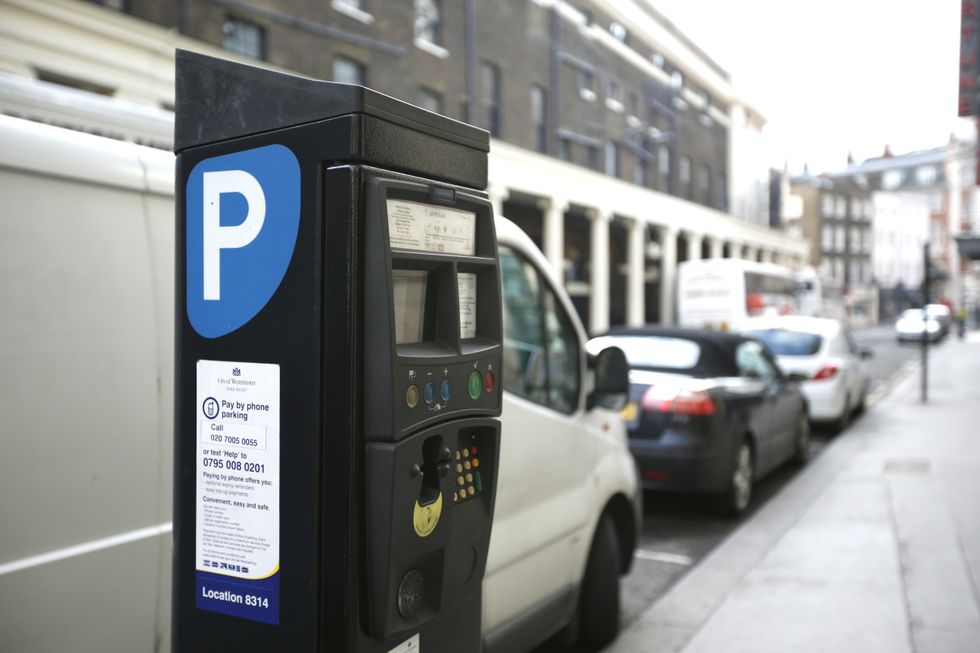 Experts have continually called for a code of standards to be introduced at car parks | PA
Peers questioned whether a dedicated regulator should be established to safeguard drivers and bring greater transparency to the system. But Baroness Taylor confirmed that creating a parking regulator had been examined during last year's options assessment and was ultimately rejected as it was found to be a disproportionate measure.
She explained that setting up such a body would entail considerable expense, administrative complexity, and yet more delays. Furthermore, a regulator would duplicate functions that could be delivered more efficiently through the 2019 legislation and existing enforcement mechanisms, including operators' access to DVLA vehicle keeper data.
The Baroness acknowledged that concerns about the appeals process had been raised repeatedly across the chamber. She confirmed that last year's consultation had specifically examined motorists' frustrations with how appeals are handled.
"It is very important that motorists have confidence in the appeals process and trust they'll get the right outcome as quickly as possible," she told peers.
For drivers, this meant guaranteeing that appeal decisions were fair and, crucially, reached independently of the private parking industry itself.