







Electric vehicles made up one quarter of new car sales in February as thousands of drivers transitioned away from petrol and diesel, and towards cleaner transport.
New research from New AutoMotive shows that 20,610 new electric vehicles were registered in the second month of the year, accounting for 25 per cent of the new car market.
Although this is a 0.2 per cent drop compared to 2025, experts have been buoyed by a huge 41.6 per cent jump in new registrations of electric vans.
More than 2,000 electric vans were registered last month, making up 13.8 per cent of the market, a record month for zero emission vans.
TRENDING
Stories
Videos
Your Say
Electric cars and plug-in hybrids continue to eat into the market share of petrol, with sales declining eight per cent year-on-year.
Diesel continues to fall even further, with just 3,688 new cars sold in February, taking its market share to just 4.42 per cent of all sales.
Ben Nelmes, CEO at New AutoMotive, described the latest data as "fantastic" as drivers increasingly opt for electrified transport options.
He added: "As we enter yet another fossil fuel price crisis, every electric vehicle is yet another step on the road to energy independence."
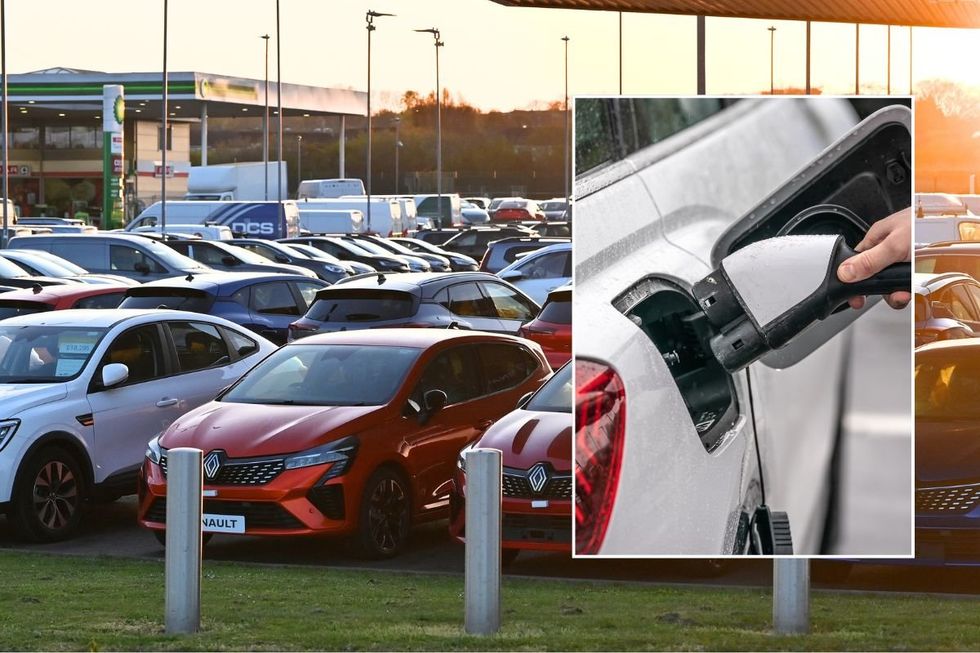
One in four cars sold in February was electric, with optimism of a spike in new registrations next month
| GETTY/PATesla maintained its place at the top of the electric vehicle leaderboard, followed closely by Ford, then European manufacturers including Skoda, Volkswagen, BMW, Mini, Renault and Mercedes.
BYD is the only Chinese brand to break into the top 10 best-selling brands in February, with other manufacturers, like Jaecoo and Omoda, not yet entering the list.
The Zero Emission Vehicle (ZEV) mandate outlines that electric vehicles must make up 28 per cent of sales per manufacturer by the end of the year, before reaching 80 per cent in 2030.
Tesla, BYD, Geely, Volkswagen and SAIC have the largest surplus of ZEV credits to trade with other manufacturers who are failing to increase sales of electric cars.
LATEST DEVELOPMENTS
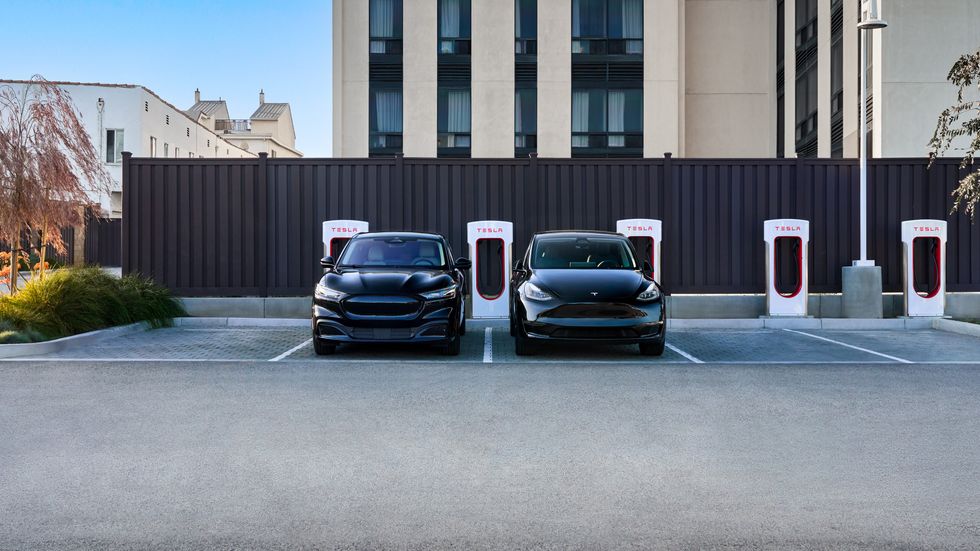
Tesla remains one of the best-selling electric vehicle brands in the UK
| TESLABrands with the largest shortfalls include Stellantis, which has reset its electrification strategy at a cost of £19billion, in addition to Nissan and Toyota.
While the ZEV mandate requires a 28 per cent target, flexibilities allow for the sale of cleaner vehicles to be included, with New AutoMotive estimating the real-world requirement to be around 19.4 per cent.
Ginny Buckley, chief executive of Electrifying.com, said: "Every electric mile driven means less reliance on imported fossil fuels and more drivers running their cars on British electricity.
"The direction of travel is clear: drivers want cheaper running costs and greater energy security. Policy should reinforce that shift towards fully electric vehicles, not slowing it down."
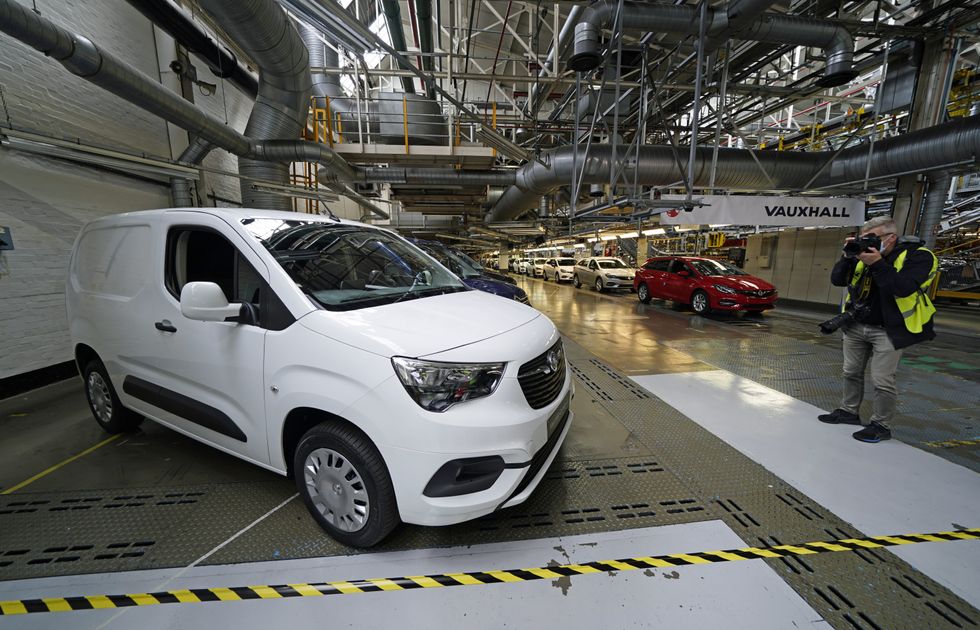 Electric van sales have soared over the last month | PA
Similarly, John Lewis, CEO of char.gy, said the effective ZEV mandate target drop to 19 per cent was a "worrying signal", noting that the mandate was introduced to be ambitious and give automakers and drivers confidence about the switch to electric vehicles.
"If the Government wants EV adoption to keep accelerating, it needs to back the mandate with consistent supporting policy," Mr Lewis added.
The growth in electric vans was highlighted as being a major benefit for the UK's net zero ambitions, with electric heavy goods vehicles set to follow a similar trend in the near future, as noted by Simon Smith, CEO of Voltempo.
He called on the industry to boost infrastructure to help multiple fleets have confidence in the switch to electric mobility, lower costs and "improve asset utilisation".