







Drivers could save thousands of pounds with a new salary sacrifice scheme that allows them to fund EV chargers, home batteries and solar panels with "no upfront costs".
A new scheme from Heva Energy will see employees around the UK access a range of home benefits with no credit check and net costs as low as £75 a month.
Employees will be able to fund electric car chargers, home batteries and solar panels through pre-tax salary reductions.
The new scheme could break down one of the largest barriers to entry for drivers wanting to invest in electric cars, allowing them to charge their EVs using cheap tariffs overnight.
Demand for the scheme has already tripled in the last month, with Heva Energy finding that 80 per cent of households cite expensive costs as the biggest obstacle to investing in solar.
Payments for the clean energy systems are deducted from gross salary before income tax and National Insurance is calculated, allowing motorists to make significant savings.
An employee on £60,000 with a company electric vehicle and a high-energy system could pay £123 a month, with further savings of £171 a month in energy costs.
Similarly, a basic rate taxpayer on £35,000 in rented accommodation could access a 10kWh battery at £75 a month net, saving them £672 annually.
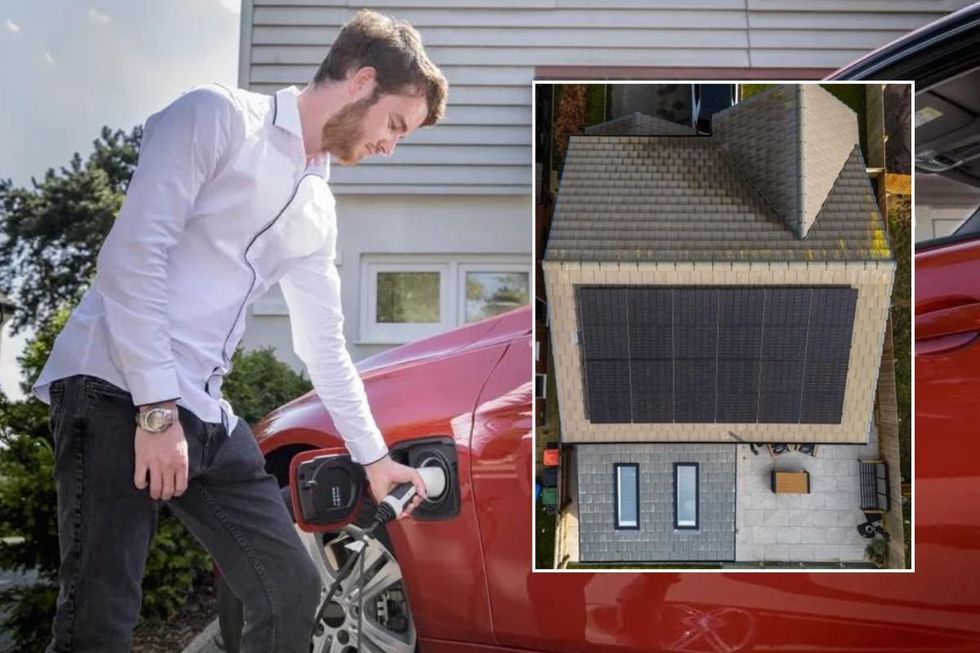
Drivers could save hundreds of pounds through a new salary sacrifice scheme
|GETTY/HEVA ENERGY
Ian Napier, who co-founded Heva Energy alongside Thomas Newby, highlighted the impact of high energy costs from the Iran war and how it was affecting people across the country.
He warned that the shocks from the conflict in the Middle East would not be "short-term", adding that households do not have a mechanism to protect themselves from the structural energy shift.
Mr Napier said: "Consumer finance for solar locks you into credit checks and 12 per cent interest rates, while salary sacrifice removes both barriers and offers the deepest savings for those who need them most.
"This is about transforming energy independence from a luxury to a workplace benefit accessible to every taxpayer."
LATEST DEVELOPMENTS
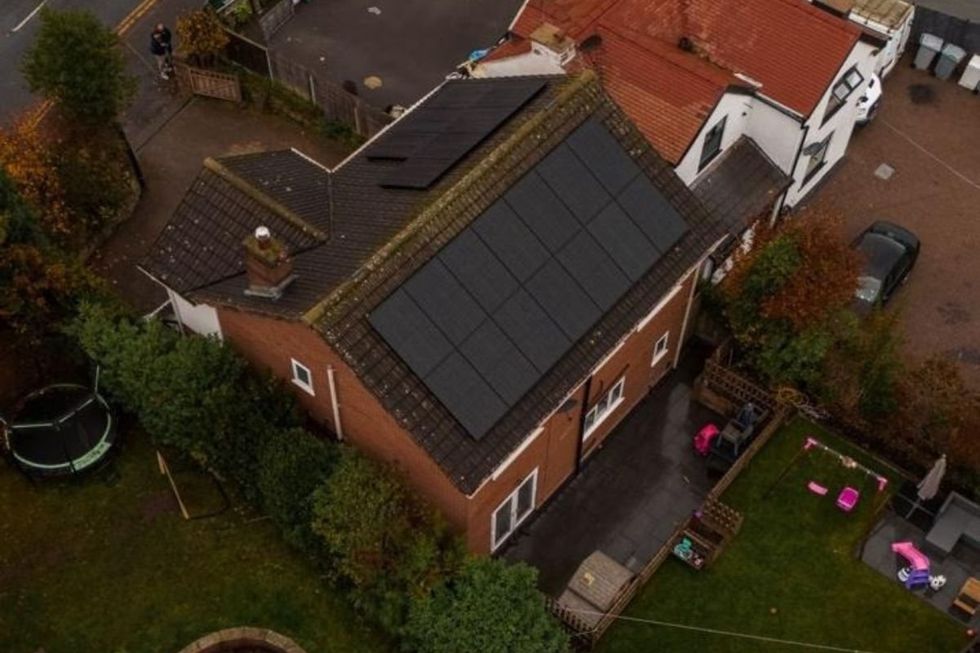
Drivers can access EV chargers, batteries and solar panels through the salary sacrifice scheme
|HEVA ENERGY
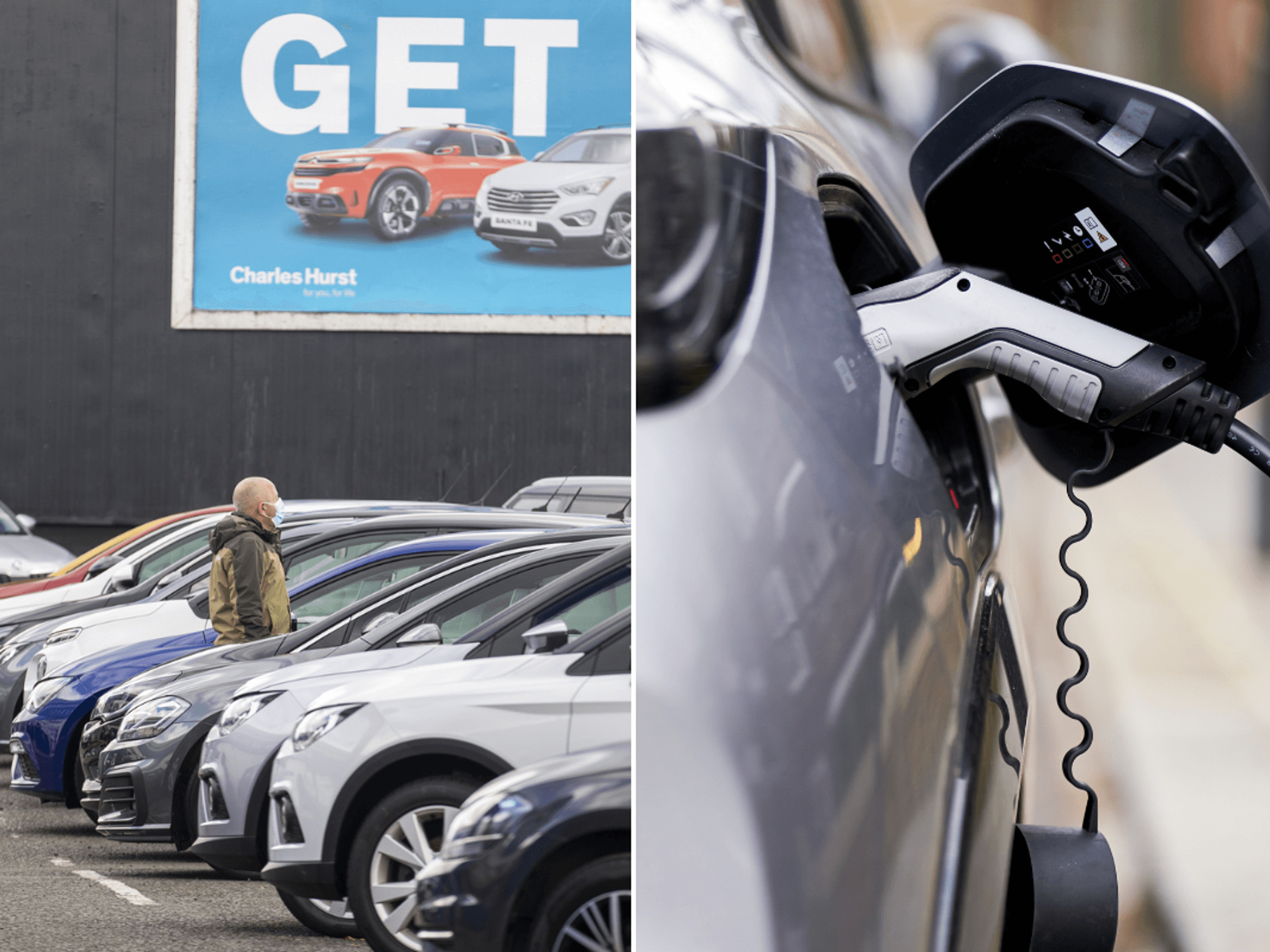
While there are more than one million electric vehicle chargers at homes and workplaces across the country, many are still facing issues when looking to charge their cars.
Thousands of drivers have admitted that they would be more likely to invest in an electric car if they could charge at home and avoid expensive public charging costs.
With the new salary sacrifice scheme, motorists who already make use of electric cars through their company could make substantial savings when using the Heva Energy offer.
Zobair Mehmood, from the National Lottery Community Fund, emphasised the impact of rising energy costs, given that prices have jumped 79 per cent since 2019.
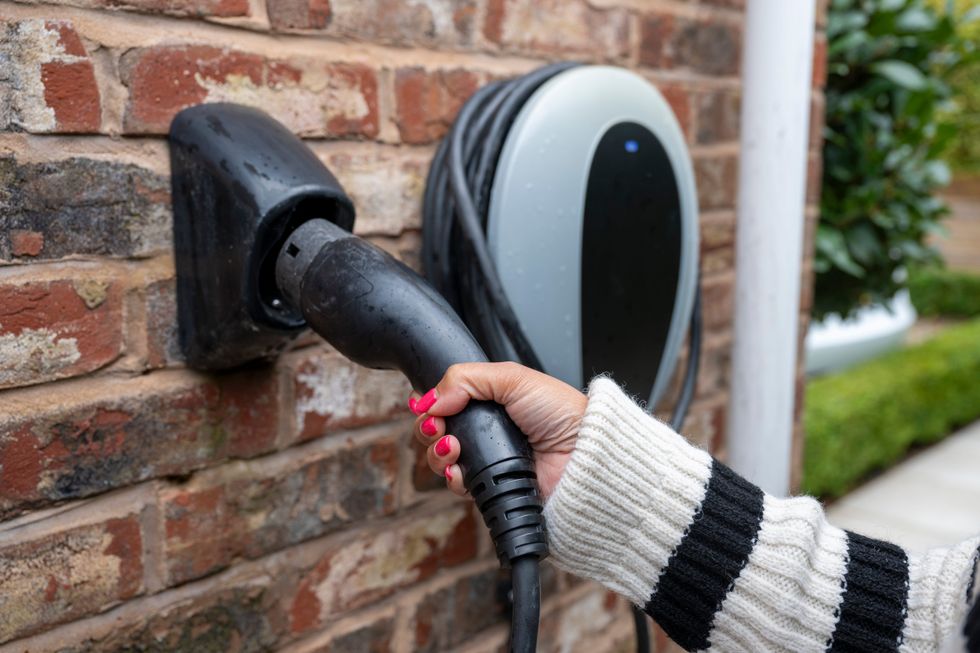
There are more than one million electric vehicle chargers at homes and workplaces across the UK
|GETTY
He said: "We already use salary sacrifice for electric vehicles; extending that mechanism to solar and batteries was the most direct way to protect our people from rising bills while making real progress on our net zero commitments.
"The fact that there's a battery-only option for employees who can't participate in salary sacrifice matters to us because we really wanted a benefit our whole workforce could use."
Estimates suggest that employee National Insurance Contribution (NIC) savings could top around £2,5000 per participating employee every year.
The National Health Service and The National Lottery Community Fund are already participating employers with the Heva Energy salary sacrifice scheme.