










Motorists have been urged to take extra care this month, as severe weather warnings could cause vehicles to be involved in accidents on UK roads.
Research has found that during the wetter months, aquaplaning, a common driving condition, becomes increasingly common even at low speeds.
Aquaplanning occurs when a layer of water forms between a vehicle's tyres and the road surface, leading to a loss of traction and control.
This can be particularly dangerous as it causes tyres to lose their grip on the surface of the road and lose the traction needed to slow down when braking.
TRENDING
Stories
Videos
Your Say
Experts have warned that in a worst-case scenario, aquaplaning could result in a total loss of control of the vehicle, with the driver losing the ability to steer, brake or accelerate.
To avoid getting caught out, drivers are being urged to check their tyre tread depth and significantly reduce their speed when it's raining to help keep control of their vehicles.
In the UK, the legal minimum tread depth is 1.6mm, "so it's important for motorists to regularly check their tyres to ensure they meet or exceed this limit," experts stated.
Drivers caught travelling with incorrect tyre depth can be hit with of up to £2,500 and three penalty points per illegal tyre.
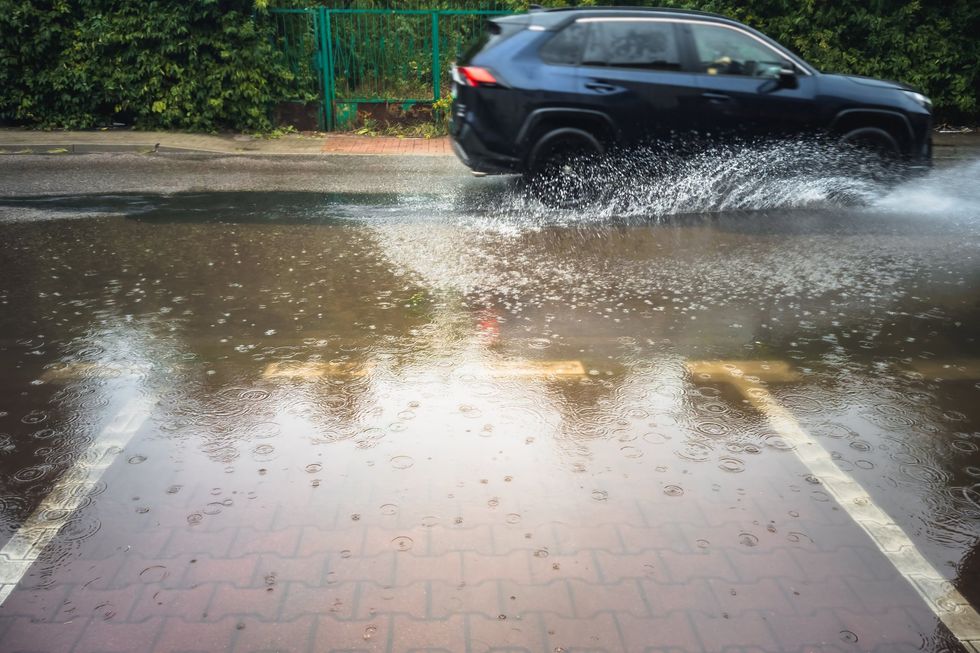
Aquaplanning can cause drivers to lose control of their vehicle if they travel at speeds through water
|GETTY
Motorists can tell if their vehicle is at risk of aquaplaning if the engine suddenly becomes louder, steering becomes unresponsive, or the back of the car begins to drift.
Drivers should avoid slamming on the brakes or turning the wheel sharply. Instead, they need to gently ease off the accelerator and keep the steering straight until the tyres regain contact with the road.
Greg Wilson, CEO and car insurance expert at Quotezone.co.uk, said: "As the weather across the UK gets wetter and stormier, motorists need to be on alert for dangerous driving conditions.
"Many drivers underestimate how easily aquaplaning can happen. Even a thin layer of water can be enough if tyres are worn or speeds are too high."
LATEST DEVELOPMENTS
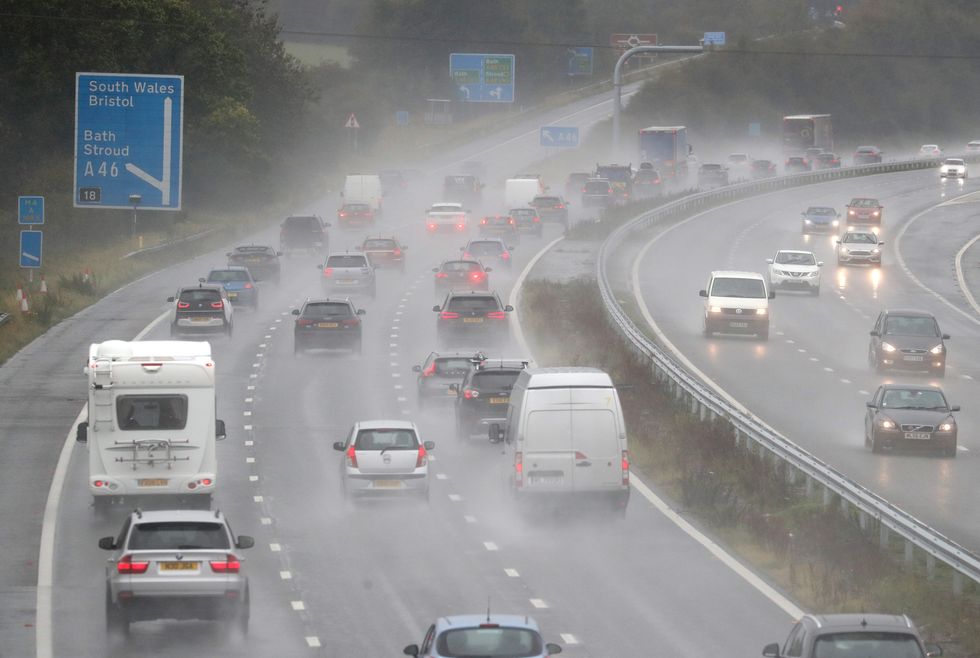
Motorists are being urged to ensure they are driving safely during wetter weather
| PAHe explained that while it can be a "frightening experience", knowing how to prevent aquaplaning is crucial, particularly during the wetter months.
"Regularly checking tyres, slowing down, keeping an eye out for puddles and avoiding harsh manouvers in wet conditions, can all help improve safety while driving in the rain," he added.
Mr Wilson also warned that under-inflated tyres can increase the risk of aquaplaning, with drivers reminded they should check tyre pressures regularly, especially before long journeys.
"If you're not sure what your tyre pressure should be, check your car manual or reference sticker on the inside of the doorframe," Mr Wilson shared.
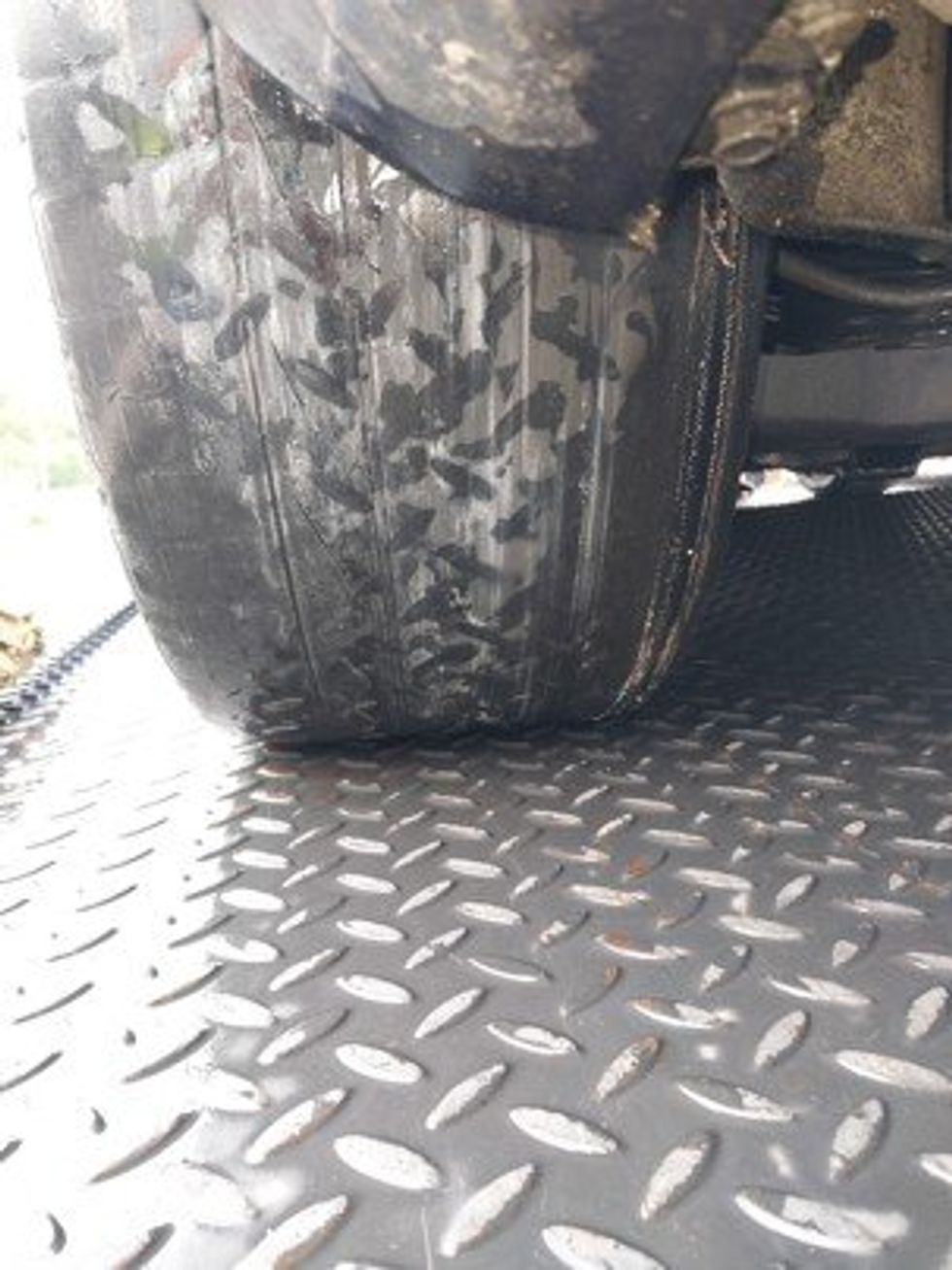 The legal minimum tread depth for tyres in the UK is 1.6mm | NATIONAL HIGHWAYS
Drivers should also avoid driving through big puddles, which, if approached at high speed, could cause the car to lose contact with the road in an instant.
Another tip would be to slow down during wetter conditions as aquaplaning is more likely when travelling at speeds above 35mph.
Mr Wilson added: "If there's a car ahead, their tyres will already have cleared some of the water from the road, leaving tracks behind. Driving in those tracks, while keeping a safe distance, could help your tyres maintain better grip.
"Gentle steering, braking and accelerating are key when it's wet. Take extra care on bends and avoid using cruise control, as it can stop you from reacting quickly if you start to aquaplane."