







A controversial puberty blocker trial for children has been halted after a High Court challenge and amid mounting safety fears.
Plans to recruit 262 children as young as 10 into the controversial trial have faced a growing political backlash.
Now, Government lawyers have confirmed in court that no children will be enrolled in the study before the summer - provided the High Court rules on the case by the end of July.
The intervention comes after Government regulators warned the powerful drugs could pose “unquantified risk” of “long-term biological harms” to children.
TRENDING
Stories
Videos
Your Say
Campaigners say the case raises fundamental questions about whether vulnerable young people are being exposed to experimental treatments without firm evidence they are safe.
The High Court challenge has been brought by the Bayswater Support Group, which represents hundreds of parents of gender-distressed children, alongside psychotherapist James Esses and former gender dysphoria patient Keira Bell, 28.
Ms Bell began taking puberty blockers aged 16 before later detransitioning and has spoken publicly about the long-term negative impact the treatment has had on her life.
Their legal team argues that the process used to approve the trial contained “serious flaws” and should be reconsidered.
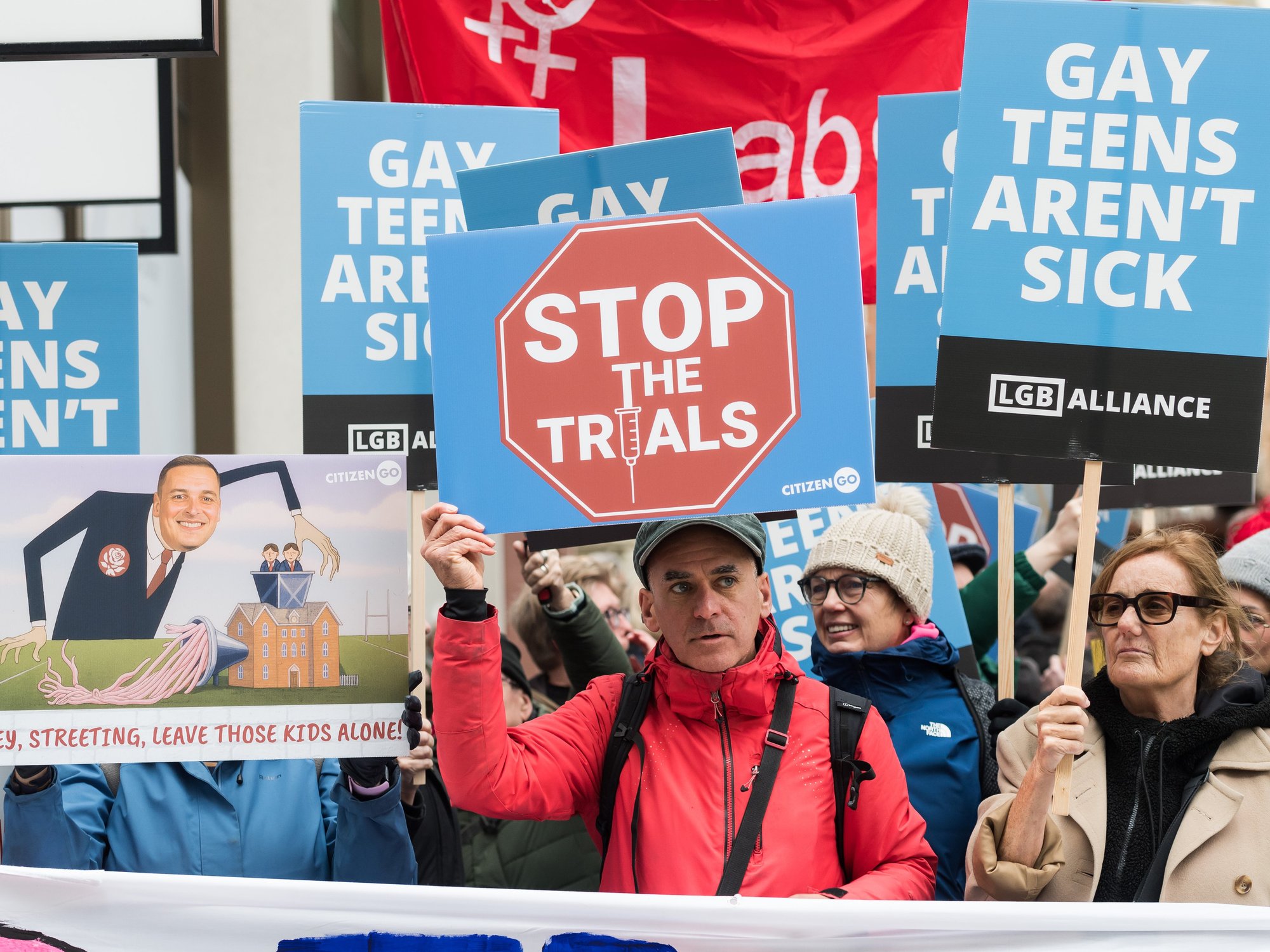
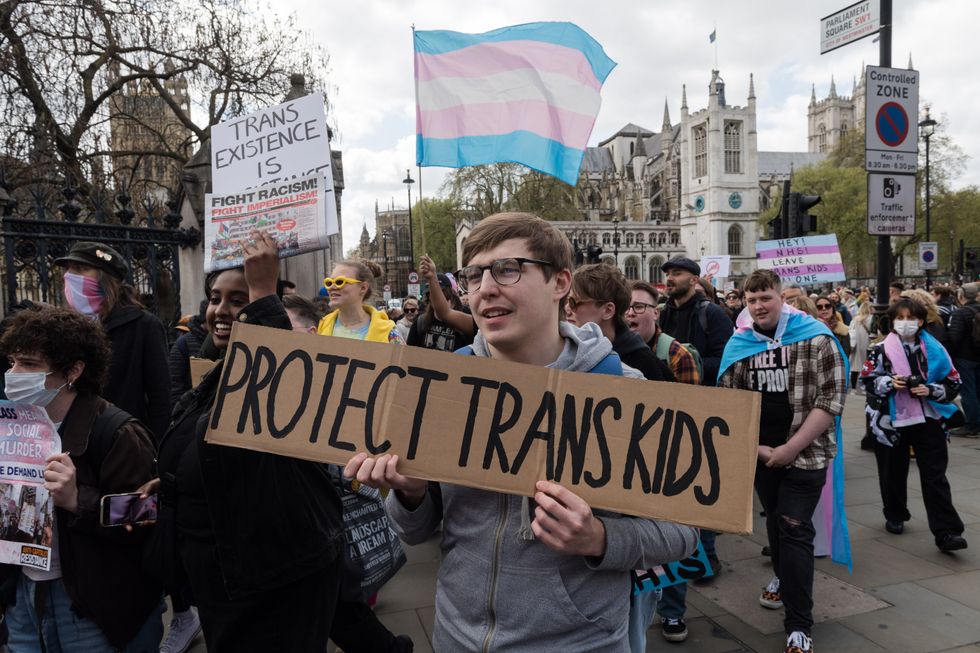 Protest against ban on puberty blockers in London earlier this year | GETTY
The controversial study - led by researchers at King’s College London - had planned to recruit around 226 children aged between 10 and almost 16 experiencing gender dysphoria.
But the trial was thrown into turmoil last month when the Medicines and Healthcare products Regulatory Agency (MHRA) intervened.
In a letter raising concerns about children’s safety, the regulator said the current minimum age of 10 should be raised to 14, citing the risk of possible long-term harm.
Officials are now holding urgent discussions with the trial’s organisers over the next eight weeks.
During a hearing at the High Court in London, government lawyers asked for the legal challenge to be paused while those talks take place.
Mr Justice Chamberlain agreed. He said: “In my judgment, it is appropriate to grant the stay which has been sought.”
LATEST DEVELOPMENTS
A controversial puberty blocker trial for children has been halted after a High Court challenge
| PAThe judge said the discussions between regulators and researchers were likely to lead to “a fresh decision” that could reshape the legal case.
And he said it made no sense to push ahead with the court battle while regulators are still deciding what to do about the trial: “There is no point in proceeding with a process by which the defendants and interested parties will have to put in summary grounds of opposition to a claim which may look very different once the process of discussions is complete.”
Crucially, the court was told that no children will be recruited into the trial as long as the High Court resolves the legal challenge by the end of July.
The judge said the promise meant children could not be exposed to the trial before the court rules on whether it should go ahead.
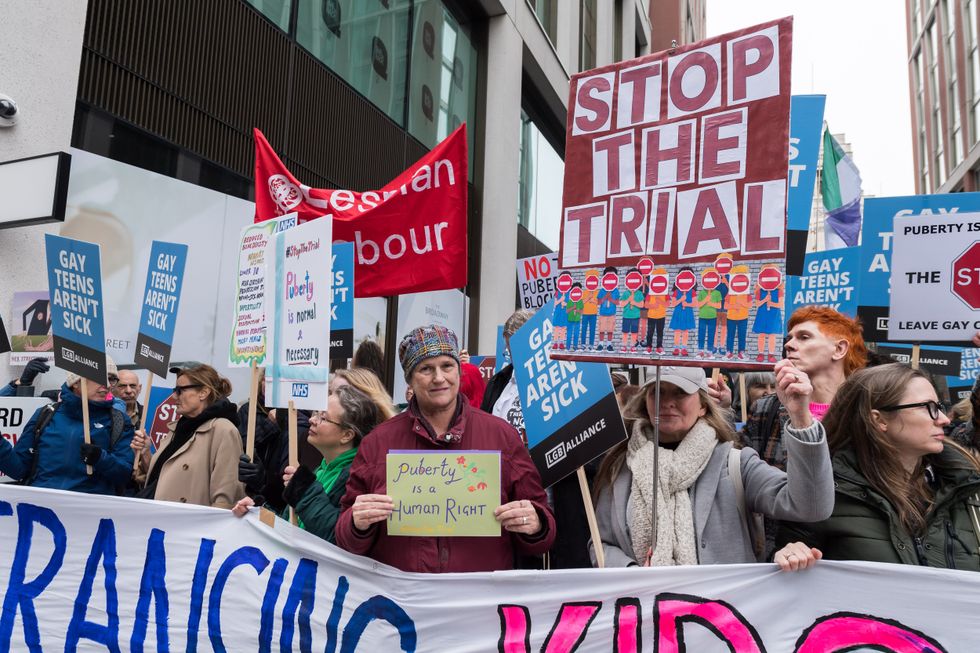
The trials have faced plenty of scrutiny from critics
| GETTYThe proposed study was recommended by the landmark Cass Review into children’s gender care.
That independent investigation found the scientific evidence supporting puberty blockers for young people to be extremely limited.
The review’s author, Baroness Hilary Cass, said her team had uncovered “a very weak evidence base” behind the drugs.
However she also concluded that a clinical trial might be the only way to resolve the fierce debate surrounding their use.
But the proposed trial has triggered intense opposition.
A group of peers, clinicians and academics recently wrote to ministers urging them to halt the trial, warning that children could be exposed to potentially life-altering drugs without adequate safeguards.
Critics argue that puberty blockers - which suppress the hormonal changes of adolescence - could have significant long-term consequences for bone density, fertility and brain development, though the full effects remain uncertain.
Psychotherapist James Esses, one of the claimants bringing the High Court case, has previously warned that serious safety questions remain unanswered.
He and other campaigners argue that young people struggling with gender distress should receive careful psychological support rather than experimental medical treatment.
The case also comes amid growing international caution about the use of puberty blockers in children.
Countries including Sweden and Finland have tightened restrictions on prescribing the drugs following evidence reviews.
In the UK, the issue has been under intense scrutiny since the closure of the controversial Tavistock gender identity clinic and the sweeping reforms triggered by the Cass Review.
The Government is now restructuring how gender services for children are delivered across the NHS.
Supporters of the new clinical trial argue that without robust research it will remain impossible to determine whether puberty blockers help or harm young people experiencing gender dysphoria.
The next hearing in the case is expected to take place in May.
The Government declined to comment on the case while legal proceedings remain ongoing.
More From GB News