







Fears over tax hikes in Rachel Reeves’s Autumn Budget have caused the UK car market to experience a major slip in November as drivers backed away from buying.
New research shows the UK new car market experienced a setback in November, with registrations declining 1.6 per cent to reach 151,154 vehicles.
The Society of Motor Manufacturers and Traders revealed that the drop represented the sixth monthly fall of 2025, driven primarily by weakening appetite among private buyers, whose purchases dropped 5.5 per cent compared to the same period last year.
Fleet sales edged marginally by 0.2 per cent, while business registrations rose 18 per cent, though this segment retains a small portion of overall sales.
TRENDING
Stories
Videos
Your Say
The decline came ahead of new tax measures announced in the Chancellor's Budget, which industry figures warned would further dampen demand.
Diesel vehicles suffered the steepest fall, plunging 24 per cent to just 7,168 units, while petrol registrations also dropped by 5.9 per cent to 66,180.
Industry leaders have responded sharply to the Chancellor's fiscal announcements, expressing concern that Government support for the electric vehicle transition falls short of what is needed.
Sue Robinson, chief executive of the National Franchised Dealers Association, said: "As the year draws to a close and the final registrations are coming in, the Chancellor's Budget announcement has not reassured the industry."
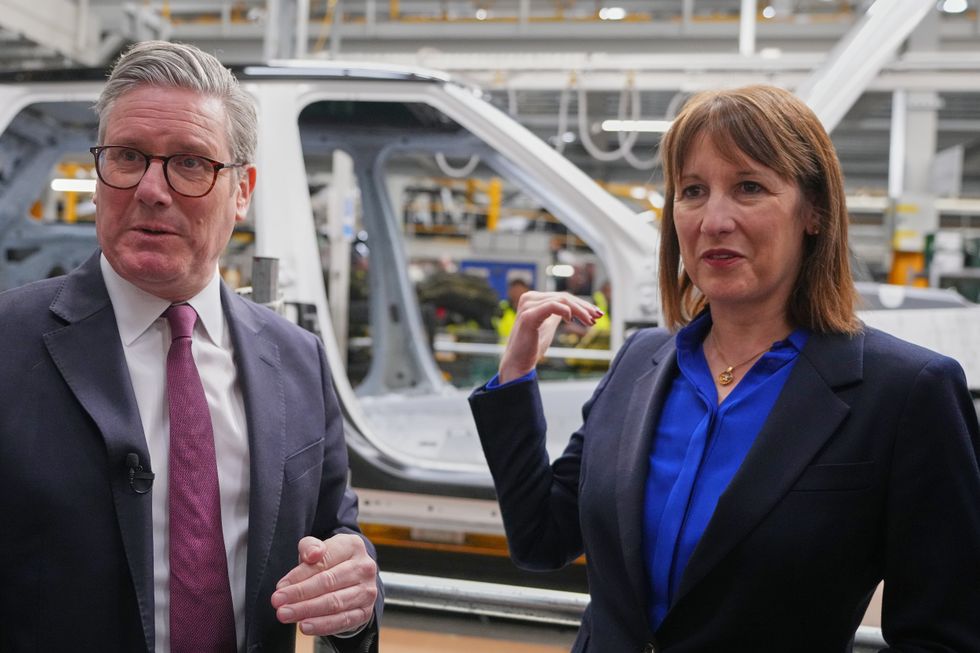
Drivers avoided buying new cars ahead of the Autumn Budget
|PA
The trade body argued that proposals for a per-mile electric Vehicle Excise Duty will suppress demand precisely when it needs to accelerate.
Mike Hawes, SMMT chief executive, warned: "We should be taking every opportunity to encourage drivers to make the switch, not punishing them for doing so, else the ambitions of Government and industry will be thwarted."
Electric vehicles captured 26.4 per cent of the market in November, up from 25.1 per cent a year earlier, yet the 3.6 per cent increase in volumes marked the weakest growth performance in nearly two years.
A total of 39,965 battery electric cars were registered during the month, with the Electric Car Grant helping to support uptake.
LATEST DEVELOPMENTS
Plug-in hybrids recorded the strongest growth among electrified powertrains, climbing 14.8 per cent to account for 11.9 per cent of registrations with 18,005 units sold.
However, with 426,209 battery electric vehicles registered over the first 11 months, the 22.7 per cent year-to-date share remains well below the Government's 28 per cent annual target.
Melanie Lane, chief executive at Pod, said: "A growth slowdown in November proves that now is the wrong time to introduce taxes on EV drivers and that further cost pressures for manufacturers and fleet managers will keep the sector from achieving a 28 per cent market share target set by ZEV mandate."
She added that while the overall cost of running an electric car remains lower than petrol or diesel alternatives, the Government must provide greater confidence to consumers and the market to maintain demand.
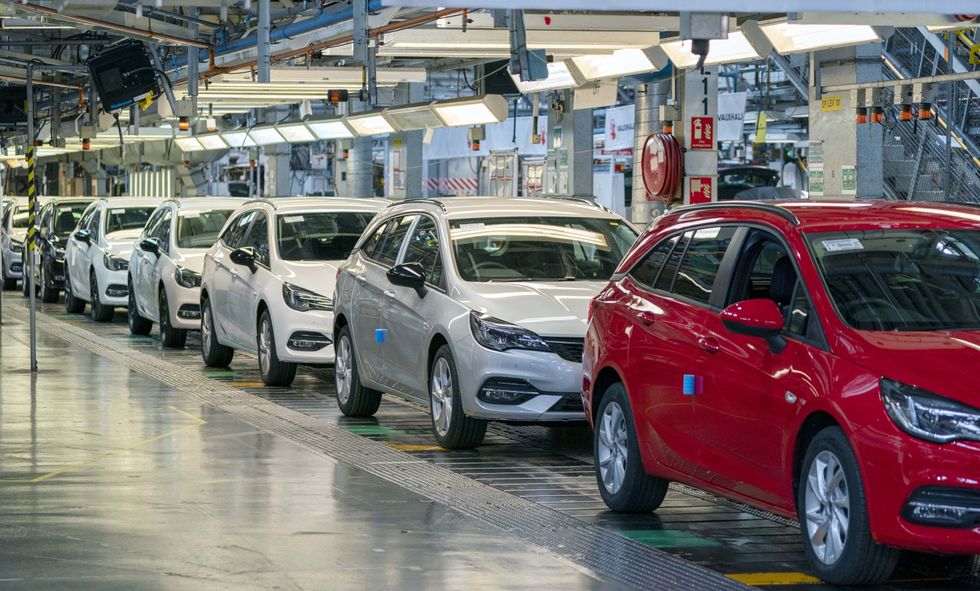
The SMMT report found that the UK car market dropped 1.6 per cent in November
| PAJames Hosking, managing director of AA Cars, highlighted that elevated borrowing costs and stretched household budgets mean many motorists are carefully considering whether to commit to a new vehicle purchase.
According to AA Cars' Used Car Index, average values for the most popular electric and hybrid vehicles have fallen by nearly 13 per cent, with some models experiencing drops exceeding 20 per cent.
Mr Hosking observed that growing availability of ex-fleet and ex-lease vehicles, combined with falling prices and continued Government backing for EV adoption, means the used sector is becoming the primary route into newer, cleaner cars.