









The World Health Organization has just released its first-ever guidance on obesity medications like Wegovy, warning there's a massive problem with getting these drugs to people who need them.
Less than one in ten people who could benefit from these injections can actually access them, despite more than a billion people worldwide now living with obesity.
The WHO is calling for much fairer and broader access to GLP-1 medications, which are already placed on their list of essential medicines for overweight patients with diabetes.
It's a list that advises countries on which treatments they should make available to their populations.
TRENDING
Stories
Videos
Your Say
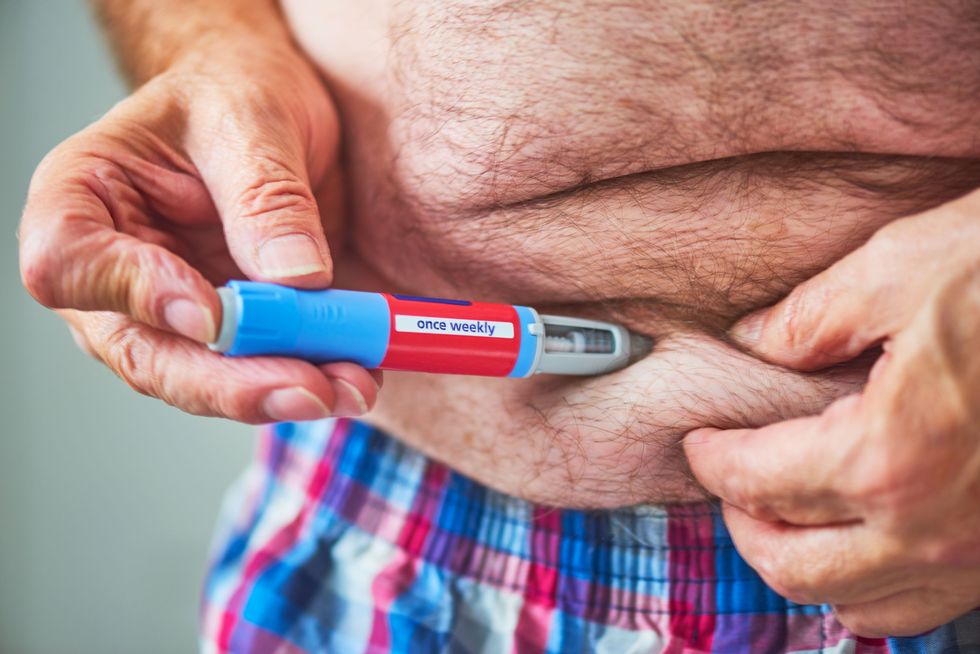
Weight loss jabs could help millions tackle obesity
|GETTY
There are major obstacles preventing patients from accessing the drug, with high costs, limited manufacturing capabilities, and supply chain problems all playing a part in keeping these injections out of reach.
Even in the best-case scenario, drug companies could only produce enough GLP-1 therapies for about 100 million people.
That's less than 10 per cent of those who could benefit from them, according to the WHO's calculations.
If nothing changes, projections suggest that more than two billion people will be living with obesity by 2030. That's why the WHO is pushing so hard for action now.
There is hope, however, as the patent on semaglutide - that's the key ingredient in Novo Nordisk's Wegovy - is set to expire in various countries come 2026.
This means other pharmaceutical companies will be able to produce and sell more affordable versions in places like India, Canada, China, Brazil and Turkey.
LATEST DEVELOPMENTS
The WHO is pushing for countries and companies to use strategies like voluntary licensing, where drug makers give permission for others to create cheaper non-brand versions of their patented medicines.
"Our greatest concern is equitable access," said WHO director-general Tedros Adhanom Ghebreyesus, who believes that while medication alone won't solve the global obesity crisis, these therapies could help millions.
These weekly injections work by mimicking a natural hormone in your body that slows down digestion, reduces appetite and makes you feel fuller - so you naturally eat less. People typically start shedding pounds within a few weeks of starting treatment.
But here's the catch - research suggests that most people regain the weight within a year of stopping the medication as their normal food cravings come back.
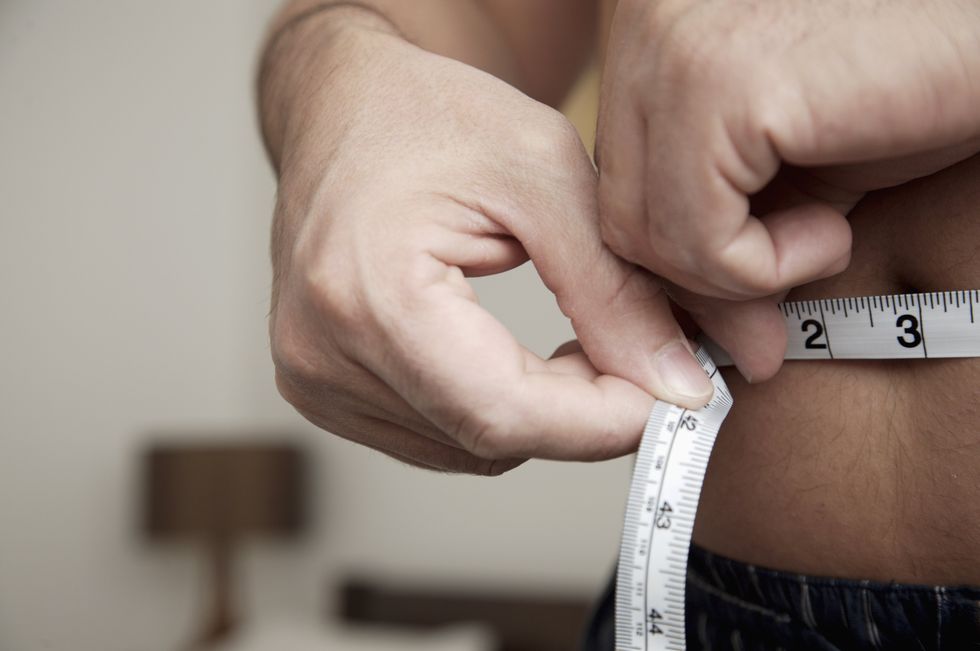
Projections suggest more than two billion people will be living with obesity by 2030
|GETTY
The WHO says these drugs can be taken for six months or longer, but they must be prescribed alongside diet and exercise advice to help people maintain their weight loss.
In the UK, you need a prescription from a healthcare professional to get these injections. While some are available on the NHS, many people end up buying them privately.
Our Standards: The GB News Editorial Charter