











A simple cup of cocoa could be the answer to protecting your blood vessels during those long hours at your desk, according to scientists whose findings show drinks rich in flavanols prevent arterial damage caused by sitting for prolonged periods.
The study, published in the Journal of Physiology, found that men who drank cocoa containing 695 milligrams of flavanols before sitting for two hours maintained healthy blood vessel function. Those who consumed low-flavanol drinks saw their vascular health decline.
It's the first research to show that these natural compounds, found in everyday foods like tea, berries and apples, can actually stop the harmful effects of prolonged sitting on our circulation.
Young adults now spend around six hours each day seated, whether at work, commuting or relaxing at home, taking a serious toll on our health.
TRENDING
Stories
Videos
Your Say

Sitting for hours is a leading cause of arterial damage
|GETTY
Previous studies have revealed that just a one per cent reduction in blood vessel function increases the risk of heart disease, strokes and heart attacks by 13 per cent. It's a stark reminder of how sitting affects our bodies.
The British Heart Foundation reports that cardiovascular deaths among working-age adults jumped by 18 per cent to 21,975 in 2023 compared to 2019. These conditions now cost the UK roughly £29 billion annually.
"Even though we are not moving our bodies, we are still putting them under stress," explained Dr Catarina Rendeiro, Assistant Professor in Nutritional Sciences at Birmingham and the study's lead author.
The Birmingham team recruited 40 healthy young men for their experiment, dividing them equally between those with higher and lower fitness levels.
Each participant drank either a high-flavanol cocoa beverage containing 695 milligrams of flavanols or a low-flavanol version with just 5.6 milligrams.
After consuming their drinks, the men sat for two hours while researchers monitored various health markers. The team measured blood flow in the arm and leg arteries, blood pressure changes, and oxygen levels in the leg muscles.
Women weren't included in this particular study because hormonal fluctuations during menstrual cycles might affect how flavanols work in the body. The researchers say this needs exploring in future trials.
The measurements taken before and after sitting revealed significant differences between the two groups.
Men who consumed the low-flavanol drinks experienced significant declines in blood vessel function in both their arms and legs after sitting. Their diastolic blood pressure increased, blood flow reduced, and oxygen levels in leg muscles dropped.
LATEST DEVELOPMENTS
Surprisingly, being physically fit made no difference, as both fit and unfit participants who drank the low-flavanol cocoa suffered the same vascular damage from sitting.
"Our experiment indicates that higher fitness levels do not prevent the temporary impairment of vascular function induced by sitting when only drinking low-flavanol cocoa," shared Professor of Cerebrovascular, Exercise & Environmental Physiology at Birmingham, Dr Sam Lucas.
In stark contrast, those who drank the high-flavanol cocoa maintained their blood vessel function perfectly throughout the two-hour sitting period, regardless of their fitness levels.
The good news is that adding flavanol-rich foods to your diet is easy, as specially processed cocoa products that preserve flavanol content are available in supermarkets and health shops across the UK.
"If cocoa isn't your thing, fruits like apples, plums and berries, nuts, and black and green tea are all common kitchen staples and are readily available," noted Alessio Daniele, a PhD student involved in the research.
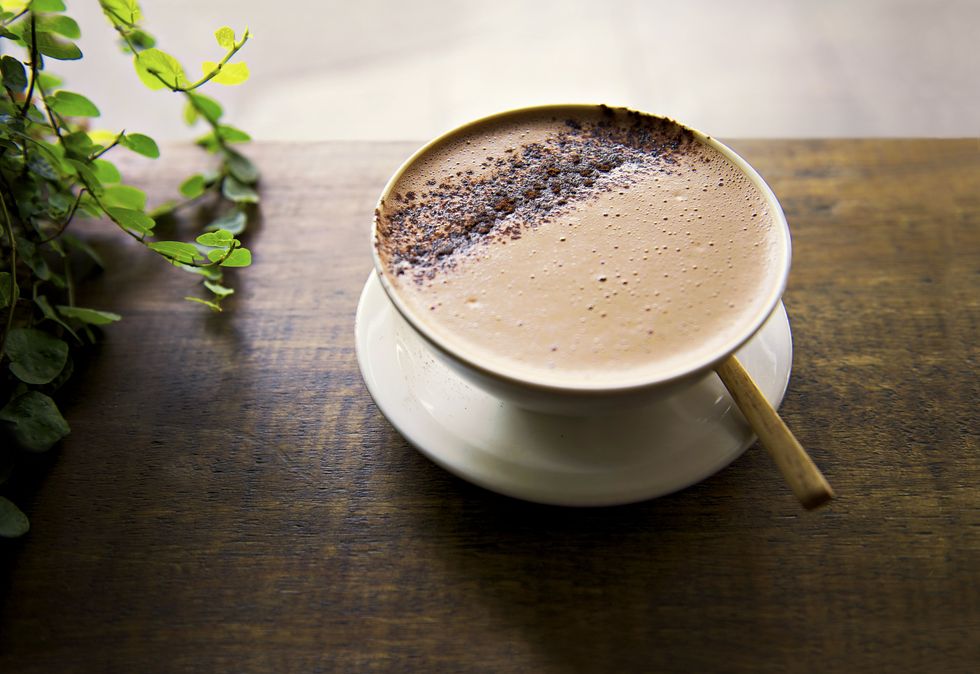
Adding flavanol-rich foods to the diet is easy
|GETTY
Dr Rendeiro recommended combining these dietary choices with regular movement breaks, such as standing up or taking short walks.
It was equally noted that these dietary tweaks work equally well for everyone, whether you're a gym enthusiast or prefer the sofa. Your fitness level won't change how effectively flavanols protect your circulation during those inevitable sitting sessions.
Our Standards: The GB News Editorial Charter