











Dietary habits play a crucial role in longevity, and evidence suggests it's not just the quality of food that matters, but the timing of when we decide to stop eating.
A renowned physician and educator has shared what might be a simple key to a longer life with his vast online following. Dr Mark Hyman, who offers health guidance to millions on social media, recently introduced his audience to an ancient Japanese custom.
The practice, known as "Hara hachi bu", comes from Okinawa, where residents enjoy some of the world's longest and healthiest lifespans.
This traditional approach involves stopping your meal when you feel about 80 per cent satisfied rather than completely full.
TRENDING
Stories
Videos
Your Say

Good digestion is a key benefit of the Okinawan practice
|GETTY
Dr Hyman highlighted this age-old wisdom on Tuesday, suggesting it could hold valuable lessons for modern health seekers looking to enhance their well-being and potentially extend their years.
Research indicates that this eating method offers multiple health advantages; enhancing longevity while lowering the chances of developing chronic illnesses, according to Dr Hyman's findings.
Better digestion is another key benefit, as the approach prevents the strain that comes with overeating. It also helps maintain a well-functioning metabolism by avoiding excess food intake.
Dr Hyman explained that the habit "teaches us to respect our natural hunger cues - a powerful lesson in mindful eating".
He pointed out that consuming too much food can trigger inflammation throughout the body, which is linked to various health problems.
By stopping before feeling completely full, people can sidestep these inflammatory responses and support their overall health.
The distinguished doctor offered several practical ways to embrace this mindful approach, starting with eating smaller portions.
Starting with smaller portions makes the practice easier - you can always go back for more if you're still genuinely hungry afterwards.
Dr Hyman also stressed the importance of paying attention while eating, recommending people "focus on each bite, savouring flavours to improve satisfaction".
This conscious approach to meals transforms eating from a rushed activity into a more deliberate experience, helping people tune into their body's signals and avoid the common trap of mindless overconsumption.
LATEST DEVELOPMENTS
Those who've adopted "Hara hachi bu" have noticed remarkable changes in their daily lives, including reduced cravings and more stable moods throughout the day.
Weight management also becomes easier when following this approach, as many find they naturally maintain a healthy weight without strict dieting. The practice appears to create a more balanced relationship with food overall.
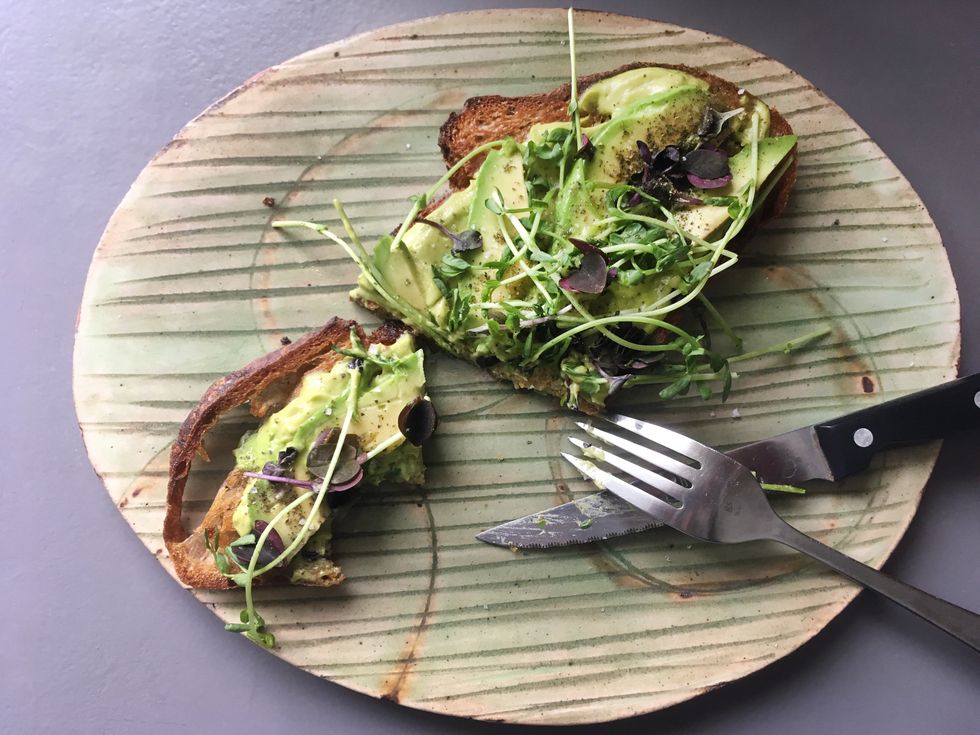
The Japanese custom supports healthy digestion
|GETTY
Dr Hyman concluded his post with an intriguing thought: "Could this ancient habit be the missing link in modern health?" It's a compelling question, especially given the simplicity of the practice compared to complex modern diet plans.
This traditional wisdom from Okinawa might offer exactly what many people need - a sustainable, gentle approach to eating that supports both immediate well-being and long-term health.
Our Standards: The GB News Editorial Charter