











Britons have been warned that extra weight around the middle could be far worse for their heart than simply being overweight overall, after new research showed that so-called "beer bellies" are linked to particularly harmful changes in heart structure.
The study of 2,244 adults, presented at the Radiological Society of North America's annual meeting, discovered that abdominal fat causes the heart muscle to thicken, while the chambers inside actually shrink, meaning the heart can hold and pump less blood - a pattern that could eventually lead to heart failure.
Men appear to be especially vulnerable to these dangerous effects, with the changes most noticeable in the right ventricle that pumps blood to the lungs.
Dr Jennifer Erley, who led the research at University Medical Center Hamburg-Eppendorf in Germany, explained that this type of fat accumulation creates what doctors call "concentric hypertrophy".
TRENDING
Stories
Videos
Your Say
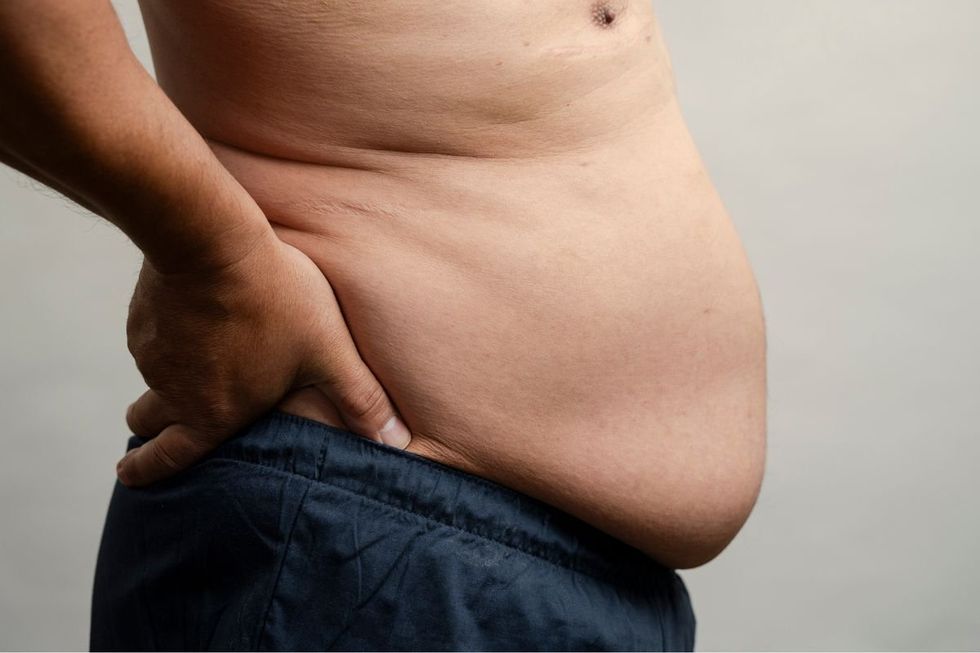
Carrying excess belly fat could lead to thickening of the heart
|GETTY
"The heart muscle thickens, but the overall size of the heart doesn't increase, leading to smaller cardiac volumes," she said. "This pattern impairs the heart's ability to relax properly, which eventually can lead to heart failure."
The team analysed cardiovascular MRI scans from participants aged 46 to 78 who had no known heart disease, and found that visceral fat - the type stored deep around internal organs - was strongly connected to these worrying cardiovascular changes.
The research revealed striking differences between measuring obesity through BMI versus waist-to-hip ratios.
While 69 per cent of men and 56 per cent of women were classified as overweight or obese using BMI, the numbers shot up dramatically when researchers looked at waist-to-hip measurements - with 91 per cent of men and 64 per cent of women meeting World Health Organisation criteria for obesity.
Dr Erley suggested the more severe heart damage in men might be due to developing abdominal obesity earlier in life, or possibly because oestrogen provides some protection for women.
The study also picked up subtle tissue changes in men's hearts through advanced MRI scanning, potentially indicating early stress before any symptoms appear.
LATEST DEVELOPMENTS
The good news is that anyone can check their risk at home with just a tape measure, by simply dividing their waist measurement at its narrowest point by their hip measurement at its widest point.
For men, a ratio above 0.90 signals abdominal obesity, while for women it's 0.85, according to WHO guidelines.
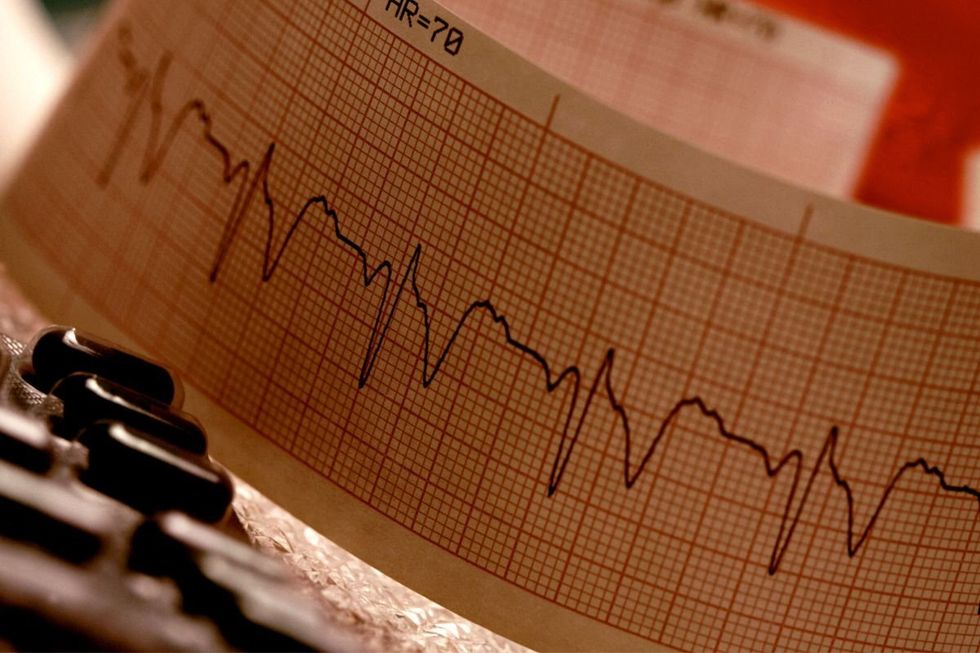
Visceral fat appears to be strongly connected to worrying cardiovascular changes
| GETTY"Rather than focusing on reducing overall weight, middle-aged adults should focus on preventing abdominal fat accumulation through regular exercise, a balanced diet and timely medical intervention, if necessary," Dr Erley advised.
She also urged doctors and radiologists to be more aware that heart changes they spot on scans could be directly linked to obesity, helping them identify at-risk patients earlier.
Our Standards: The GB News Editorial Charter