







The NHS has achieved a milestone with accident and emergency waiting times dropping to their lowest level in five years, according to the latest official data.
Nearly four-in-five patients — 77.1 per cent — were attended to within the four-hour target during March, representing the strongest performance since July 2021.
The achievement comes amid unprecedented demand in emergency departments last month.
However, a record-breaking 2.43 million people visited A&E facilities across England in March, surpassing the previous high set in May 2024 by some 16,000 attendances.
TRENDING
Stories
Videos
Your Say
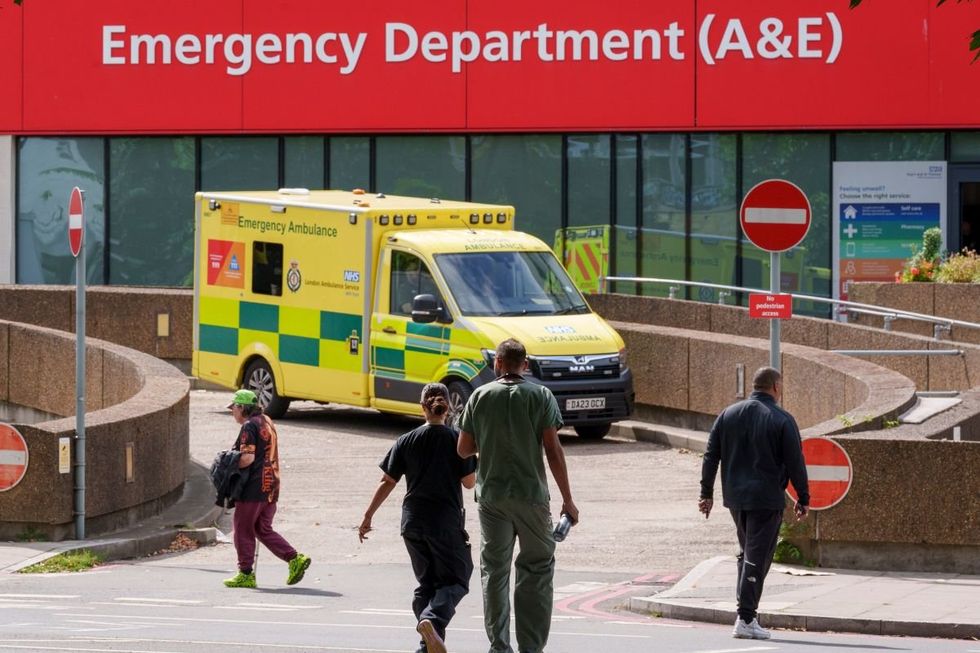
Emergency departments in England faced unprecedented demand last month
|GETTY
The surge in patient numbers was partly attributed to a meningitis outbreak reported in mid-March, which drove a notable spike in demand.
The health service described the period as a "prolonged winter" for emergency care.
Overall, waiting lists have also shown encouraging signs of improvement, falling to 7.22 million patients in February 2026.
This represents a reduction of more than 400,000 compared to July 2024, offering tangible evidence that the backlog is being addressed.
LATEST DEVELOPMENTS
Month-on-month, the figure dropped by just over 31,000 from January's total.
The NHS is now approaching its elective recovery target, with England's most senior medical official describing the service as being "within touching distance" of its goal.
By the end of February, 62.6 per cent of patients were receiving treatment within 18 weeks — an increase of 1.1 percentage points from the previous month.
Should the target of 65 per cent be reached by the end of March, it would mark the first time this threshold has been met since November 2021.
Cancer diagnosis speeds have reached unprecedented levels, with more than four in five patients — 80.5 per cent —receiving either a confirmed diagnosis or the all-clear within 28 days during February.
This represents the highest proportion ever recorded in NHS history, with 208,293 individuals learning their results that month.
Emergency response times have similarly improved, with ambulances attending the most critical incidents—including suspected heart attacks and strokes — in an average of 26 minutes and 18 seconds during March.
This marks the swiftest response since May 2021.
The diagnostic capacity of the health service has expanded considerably, with a record 29.86 million tests and checks conducted between March 2025 and February 2026.
This figure exceeds the previous year's total by more than one million, bolstered by £237million in government investment for 36 new and expanded Community Diagnostic Centres.
Professor Meghana Pandit, NHS Deputy Chief Executive and Medical Director, expressed pride in the workforce's dedication: "I am incredibly proud of the work that NHS staff have put in over the past year to get us within touching distance of our elective recovery target."
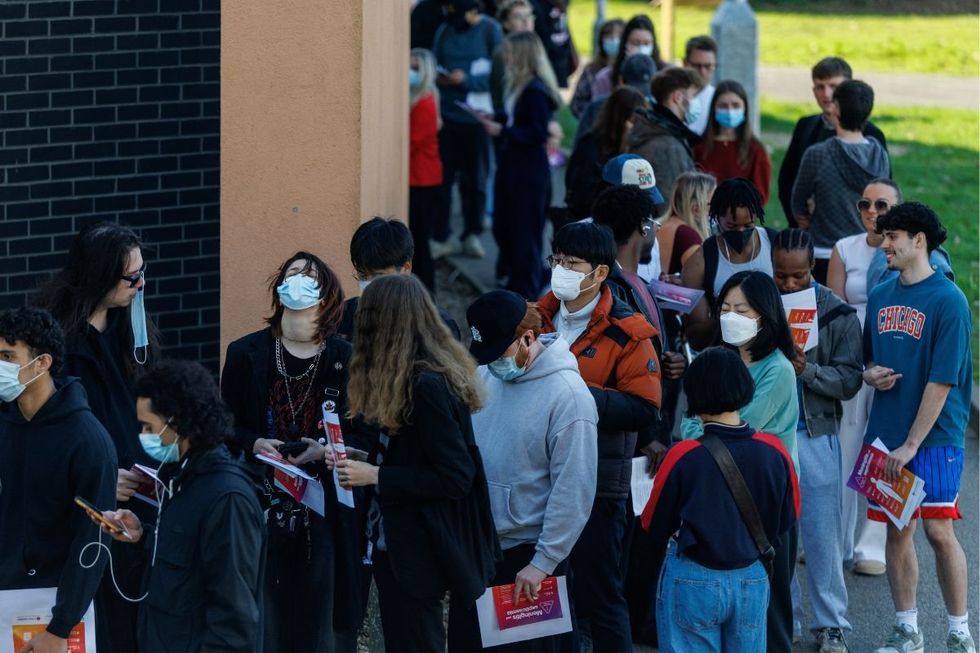
Emergency departments recorded a surge in patient numbers during the meningitis outbreak reported in mid-March
|GETTY
She noted that progress had been secured "despite the busiest winter on record and disruption caused by industrial action."
Health and Social Care Secretary Wes Streeting acknowledged the scale of the turnaround: "We inherited an NHS going through the worst crisis in its history after years of neglect. Today's figures show just how far we've come."
The minister, himself a kidney cancer survivor, added: "Lots done and so much more to do. The NHS is on the road to recovery, and my foot is pressing down hard on the accelerator."
Our Standards: The GB News Editorial Charter