










Statins have become the first line of treatment for high cholesterol, but dietary changes can be just as effective in fighting lipids.
According to a registered dietitian nutritionist and medical advisor at Welzo, Kezia Joy, consistent lifestyle changes can deliver noticeable results in just four weeks.
Kezia told GB News: “It’s reasonable to anticipate some improvement in cholesterol measurements by the fourth week, especially if an individual has made several consistent long-term lifestyle adjustments."
She noted that people can typically expect their LDL cholesterol to drop by around five to 15 per cent within a four-week timeframe, depending on their starting point and adherence to the plan.
TRENDING
Stories
Videos
Your Say

Some people can see their cholesterol drop by about 15 per cent within a month
|GETTY
The dietary tweaks that really work are generally increasing soluble fibre intake.
“Some of the best scientific evidence we have shows that increasing your consumption of soluble fibre will lower your levels of LDL (bad) cholesterol by as much as a third after just a few short weeks,” Kezia said.
The staples you want to load up on are oats, lentils, beans, apples and ground flaxseeds.
Even when eaten in small amounts, foods can make a significant difference to cholesterol levels when consumed regularly.
She added: “In addition to using olive oil instead of butter or cream, you may use nuts and seeds as a source of healthy fat and choose to consume oily fish instead of processed meats. Each of these options supports a healthier lipid profile.”
The biggest dietary culprits to defeat in the battle against cholesterol are ultra-processed foods and added sugars.
Cutting down on these will improve overall metabolic health in as little as a month.
LATEST DEVELOPMENTS
Exercise
Beyond diet, getting the body moving is just as important for improving a lipid profile.
“An average weekly duration of at least 150 minutes of brisk walking, cycling or swimming in addition to some form of diet modification can reduce LDL levels while increasing HDL levels," Kezia explained.
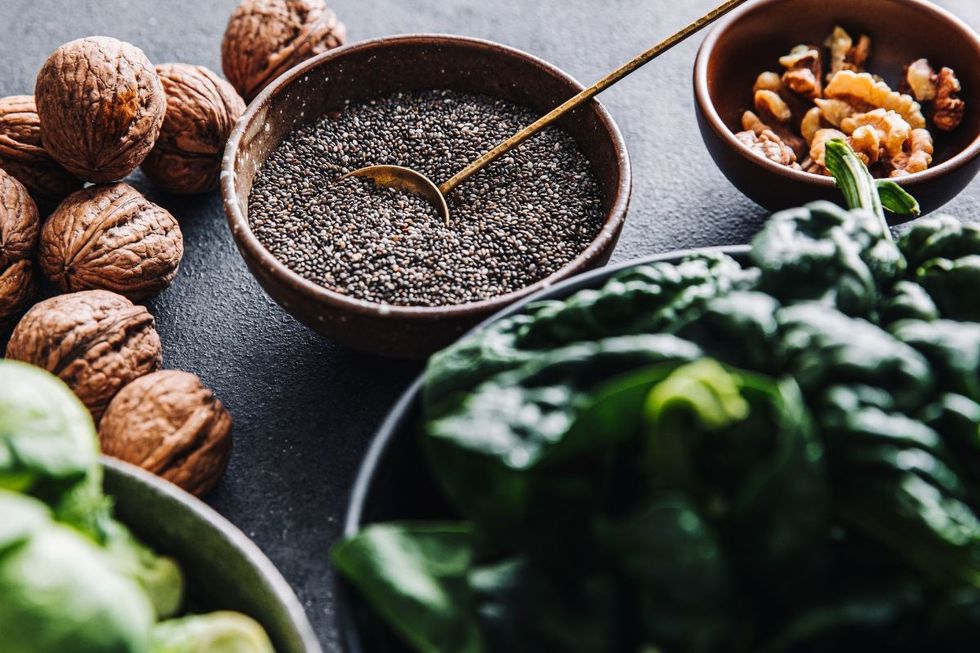
The dietary tweaks that really work are increasing soluble fibre intake
|GETTY
This works out to just over 20 minutes a day of moderate activity, which is perfectly manageable for most people.
To make sure you’re getting the most from your exercise and dietary habits, it’s worth paying attention to your sleep routine.
Sleep influences the inflammatory pathways linked to raised cholesterol, which ultimately boosts the positive effects of dietary and exercise efforts.
Our Standards: The GB News Editorial Charter