








Just 10 minutes of vigorous exercise could do far more than get your heart pumping – and it might actually help your body fight cancer.
Scientists at Newcastle University have made a discovery showing a short, intense workout triggers the release of special molecules into the bloodstream.
These molecules appear to activate genes responsible for repairing damaged DNA while simultaneously shutting down signals that encourage cancer growth.
The findings, published in the International Journal of Cancer, offer fresh insight into why staying active seems to protect against the disease.
TRENDING
Stories
Videos
Your Say
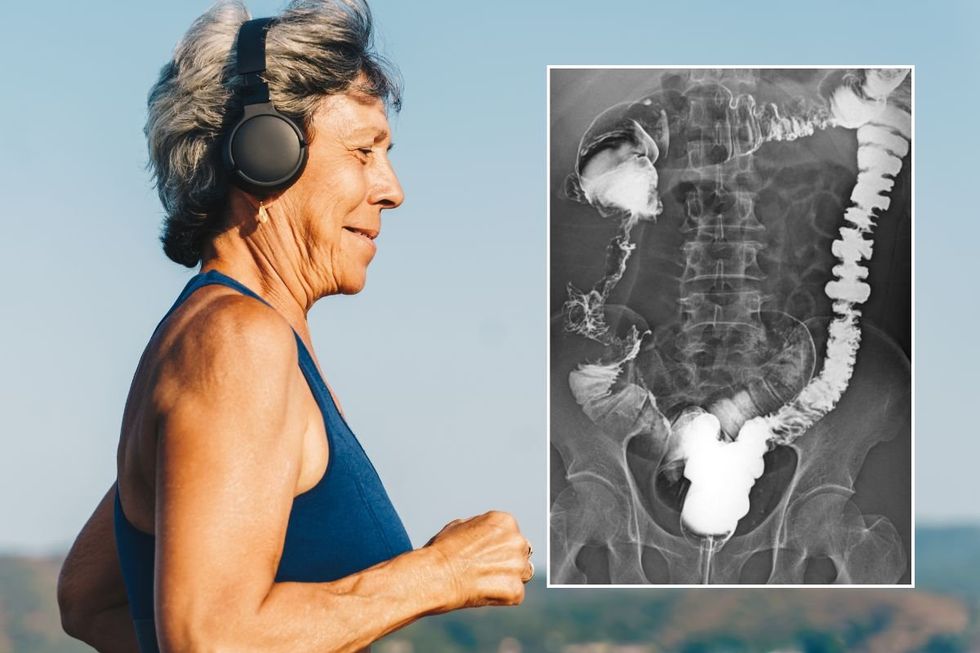
The findings show that anyone can boost their health without spending hours at the gym
|GETTY
The research team found significant results while applying blood samples taken after exercise to bowel cancer cells in the laboratory.
More than 1,300 genes altered their behaviour, affecting everything from how cells produce energy to how quickly they divide.
Genes that help mitochondria work more efficiently became more active, allowing cells to use oxygen better.
Meanwhile, genes associated with rapid cell division – the kind that makes tumours grow aggressively – were dialled down.
The study involved 30 volunteers aged between 50 and 78, all of whom were overweight or obese but otherwise healthy.
Each participant completed a brief but demanding cycling session lasting roughly 10 minutes.
Researchers then analysed 249 proteins in their blood, finding 13 had increased – including interleukin-6, which plays a key role in DNA repair.
LATEST DEVELOPMENTS
Dr Sam Orange, Senior Lecturer in Clinical Exercise Physiology and lead author of the study, said: "What's remarkable is that exercise doesn't just benefit healthy tissues, it sends powerful signals through the bloodstream that can directly influence thousands of genes in cancer cells.
"It's an exciting insight because it opens the door to find ways that mimic or augment the biological effects of exercise, potentially improving cancer treatment and, crucially, patient outcomes."
He added: "These results suggest that exercise doesn't just benefit healthy tissues; it may also create a more hostile environment for cancer cells to grow.
"Even a single workout can make a difference. One bout of exercise, lasting just 10 minutes, sends powerful signals to the body."
Bowel cancer remains the fourth most common cancer in the UK, sitting behind breast, prostate and lung cancers.
The numbers are sobering – someone receives a bowel cancer diagnosis every 12 minutes in this country, totalling nearly 44,000 cases annually, while a person dies from the disease every half hour.

Regular physical activity can cut cancer risk by around 20 per cent
| GETTYThe good news is that regular physical activity can cut your risk by around 20 per cent.
And it does not have to mean hitting the gym – cycling to work, pottering in the garden or even a good house clean all count.
Looking ahead, the Newcastle team aims to investigate whether regular exercise produces lasting biological changes and how these effects might interact with treatments such as chemotherapy and radiotherapy.
Our Standards: The GB News Editorial Charter