










While type 2 diabetes can go into remission, that doesn't mean it's truly "reversible", as there's an important distinction between the two.
Registered dietitian at JM Nutrition, Alexander Leritz, is careful about the language used when discussing this condition with patients.
When someone achieves remission, their blood glucose levels return to a healthy range and stay stable over time, often without needing medications like metformin.
But crucially, it's important to note that the underlying susceptibility never fully disappears.
TRENDING
Stories
Videos
Your Say
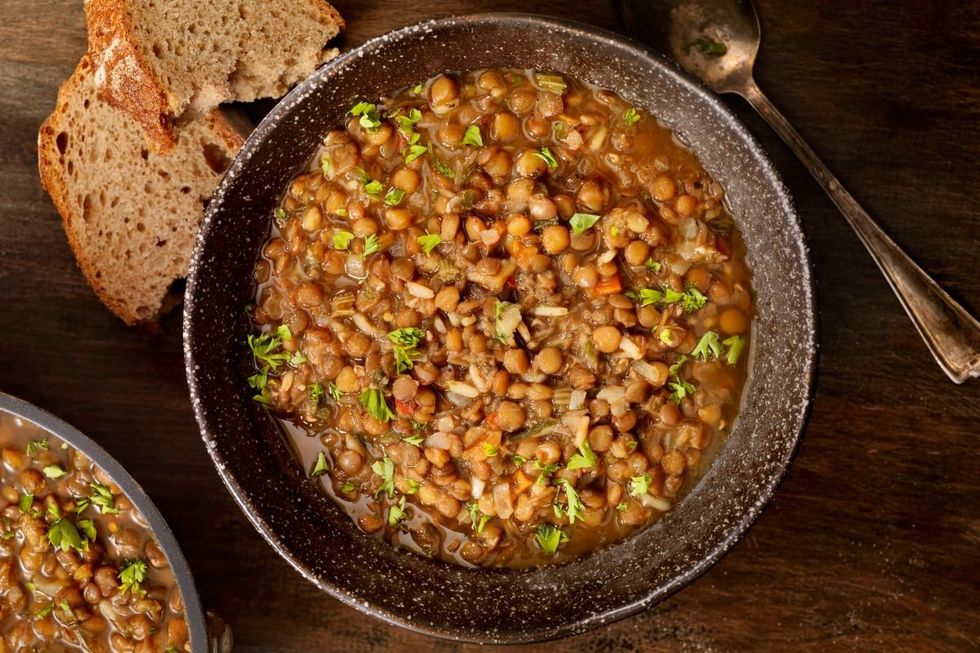
A whole grain carb paired with protein and fat won't affect blood sugar levels like a refined carb eaten alone
|GETTY
"Ongoing lifestyle habits, including balanced nutrition and movement, sleep, and stress and weight management, still matter," Leritz told GB News.
It's why terms like "cured" or "reversed" can create unrealistic expectations for those managing the condition.
Timing also plays a critical role in determining the likelihood of remission, as both research and clinical experience show that early intervention is key to success.
Those who've had type 2 diabetes for a shorter period tend to have better outcomes, as do people whose bodies are still producing and responding to insulin effectively.
Entering remission requires meaningful weight loss that can be maintained over time.
This doesn't mean remission is impossible for those diagnosed years ago, but the window of opportunity is certainly wider for those who act quickly and commit to sustained lifestyle changes.
LATEST DEVELOPMENTS
What dietary changes lead to remission?
Diet is a powerful tool, particularly when it leads to lasting weight loss and better insulin sensitivity.
"In some cases, especially early on in the diagnosis, structured and planned nutrition interventions called Medical Nutrition Therapy (MNT) provided by a registered dietitian can significantly improve blood glucose control and, in some individuals, support remission," Leritz explained.
That said, not everyone can manage without medication – some patients genuinely benefit from combining drugs with lifestyle changes.
As for low-carb diets, they deserve credit where it's due. Cutting back on refined, fast-digesting carbohydrates can meaningfully improve blood sugar control and reduce HbA1C levels.
But completely eliminating carbs isn't necessary or even recommended.
What matters more is the quality and context of carbohydrate intake within your overall eating pattern.
A whole grain carbohydrate eaten with protein and healthy fats behaves completely differently in the body compared to one consumed on its own.
"Eating carbohydrates as a part of a balanced meal that includes fibre, protein, and healthy fats can help to slow digestion, which can moderate the blood glucose response to the meal and promote more stable blood glucose trends rather than spikes and dips," Leritz said.

Type 2 diabetes is not simply about eating too much sugar
|GETTY
What causes type 2 diabetes?
The condition is driven by insulin resistance combined with progressive beta-cell dysfunction, where the pancreas gradually struggles to meet the body's insulin demands.
Excess body fat, particularly visceral fat around the organs, contributes to inflammation and disrupted insulin signalling.
Genetics, chronic stress, poor sleep, and sedentary habits all play their part too.
Contrary to popular belief, it's not simply about eating too much sugar – long-term energy balance, activity levels, and metabolic stress all interact over time.
Our Standards: The GB News Editorial Charter