









Fresh data released on Monday by the American Cancer Society reveals a striking transformation in who develops colorectal cancer, with close to half of all newly diagnosed cases now occurring in individuals younger than 65.
This represents a fundamental change in the profile of a condition long considered an affliction of the elderly.
While diagnosis rates among those aged 65 and above have fallen consistently since the mid-1980s, largely owing to effective screening programmes that detect precancerous growths and early-stage tumours, the picture for younger adults tells a different story.
Research published in recent years has documented a rising incidence among those under 50.
TRENDING
Stories
Videos
Your Say
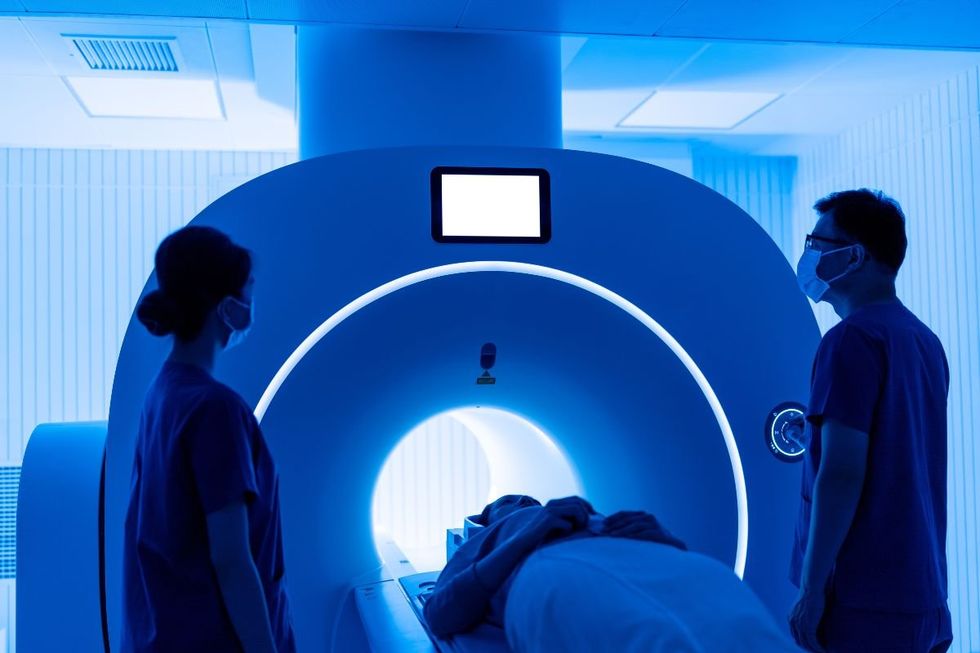
The condition was retrospectively considered an affliction of the elderly
|GETTY
The latest findings indicate that rates among 50 to 64-year-olds also climbed between 2013 and 2022, with rectal cancer specifically increasing across all age groups following years of decline.
Scientists have identified a phenomenon termed the "birth-cohort effect" driving these trends, whereby successive generations since those born in the 1950s face progressively higher risk of developing the disease.
The statistics are sobering: an individual born in 1990 faces double the likelihood of developing colon cancer compared with someone born four decades earlier and quadruple the risk of rectal cancer.
LATEST DEVELOPMENTS
The study additionally revealed that newer cases predominantly involve cancers located in the distal colon and rectum, rather than other colonic regions more typically affected in older patients.
The distinctive anatomical location of these tumours, combined with escalating rates among younger cohorts, points towards factors unique to recent generations.
Researchers suspect that environmental exposures emerging from the 1950s onwards may bear partial responsibility for this troubling pattern.
Current scientific investigation centres on alterations to the gut microbiome and inflammatory responses linked to contemporary products.
Ultraprocessed foods, microplastics and antibiotics have emerged as key areas of scrutiny, according to the study.
These modern substances may be triggering changes within the digestive system that promote cancer development in ways not experienced by earlier generations.
The research suggests that lifestyle and environmental factors characteristic of post-war modernity could be fundamentally reshaping disease risk for those born into this era.
Medical professionals advise that routine screening should commence at age 45 for those facing average risk, with colonoscopy remaining the gold standard examination.
Individuals with relatives who developed colon cancer or precancerous polyps before 60 should begin checks a decade prior to the age at which their family member was affected.
The research uncovered that three-quarters of patients under 50 received diagnoses at stage 3 or 4, attributable both to the absence of routine screening and delayed, accurate diagnosis.

Antibiotics have emerged as key areas of scrutiny
|GETTY
Dr Andrea Cercek, co-director of the Centre for Young Onset Colorectal and Gastrointestinal Cancer at Memorial Sloan Kettering Cancer Centre in New York, noted that her patients frequently presented with anaemia or abdominal pain initially attributed to other conditions.
Those under 45 should remain vigilant for symptoms including tiredness, unexplained weight loss, altered bowel habits and blood in stools.
Our Standards: The GB News Editorial Charter