










Scientists at the University of Cambridge are developing a blood test that could transform how prostate cancer is detected in the UK.
The new test spots DNA methylation markers – essentially cellular debris that tumours release into the bloodstream – to work out whether cancer is present and how aggressive it might be.
It's a potential game-changer because current PSA tests aren't reliable enough for widespread screening, which has blocked efforts to launch a national programme.
If this new approach proves successful, it could finally open the door to routine screening for Britain's most common male cancer.
TRENDING
Stories
Videos
Your Say
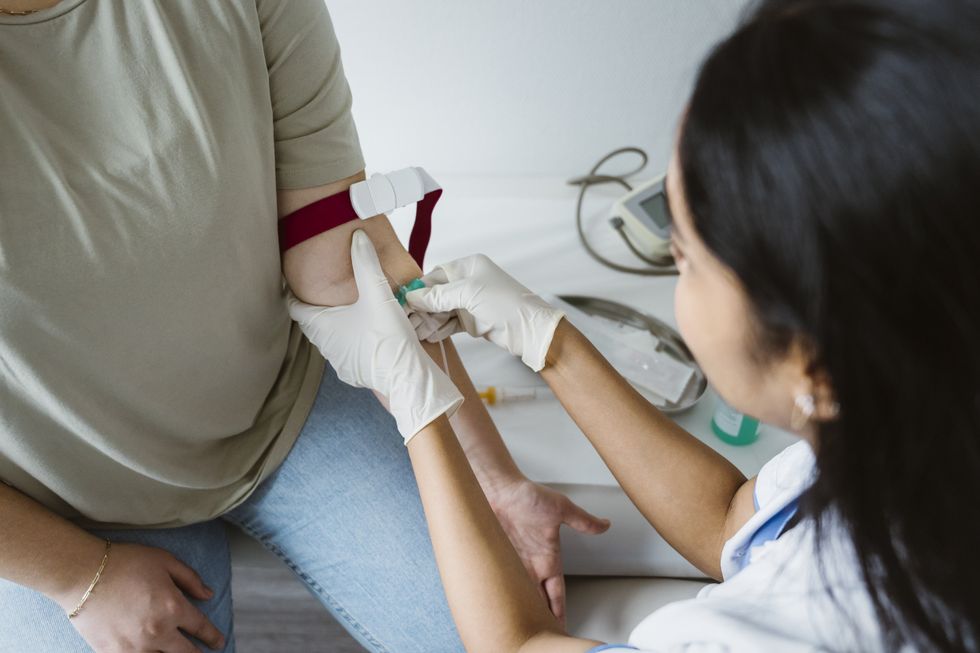
Clinical trials will begin within the next 18 to 24 months
|GETTY
The test analyses thousands of different signals simultaneously, hunting for those tiny markers that cancer cells shed into the blood.
Previous attempts to detect these markers for prostate cancer struggled because they appear in such minuscule quantities, but this clever approach checks for multiple signals at once.
What's brilliant is that it can tell doctors two crucial things – whether there's actually a cancer present, and how dangerous it is.
For men with elevated PSA levels, this could mean getting answers without needing to go through invasive biopsy procedures.
The problem is that existing PSA tests have some serious drawbacks.
They can miss aggressive cancers entirely, while also flagging slow-growing tumours that would never actually harm a patient.
LATEST DEVELOPMENTS:
This leads to unnecessary worry and treatments for some men, while others with dangerous cancers slip through the net.
Government advisers have said PSA testing simply isn't dependable enough for screening the general population, recommending it only for men with specific genetic variants.
It's a significant gap in healthcare – prostate cancer kills around 12,000 men annually in the UK, yet it remains the only major cancer without an NHS screening programme.

The test analyses thousands of different signals simultaneously
| GETTYThe Cambridge team plans to begin clinical trials with UK patients within the next 18 to 24 months, initially exploring when the blood test works best during the screening process.
Dr Harveer Dev, the lead researcher from the university's Early Cancer Institute, said: "We don't have the right combination of tests in order to be able to deliver for patients in the right way [at the moment].
"Although we're still in the development phase [of the new blood test], we're getting really promising results."
Dr Naomi Elster, director of research at Prostate Cancer Research, which supports the study, said: "The fact that all of this could be possible through one simple blood test makes it easy to roll out, and gives the patient both clarity and dignity."
Our Standards: The GB News Editorial Charter