










Cancer patients who regularly eat ultra-processed foods face a substantially elevated risk of dying from their illness, scientists have warned.
The study, published in Cancer Epidemiology, Biomarkers & Prevention, revealed those with the highest consumption of such products were 59 per cent more likely to succumb to their cancer than individuals who ate the least.
Researchers at IRCCS Neuromed monitored 802 cancer survivors over an average period of 14.6 years, recording 281 deaths during the follow-up.
The findings also demonstrated a 48 per cent increased rate of death from any cause among those in the top third of ultra-processed food consumption.
TRENDING
Stories
Videos
Your Say

Inflammation and raised resting heart rate may hike the risk of cancer death
|GETTY
Scientists suggest inflammation and raised resting heart rate may partly account for the association.
The investigation drew from a broader cohort of 24,325 individuals aged 35 and above residing in the southern Italian region of Molise, who were monitored between 2005 and 2022.
From this larger group, 802 cancer survivors, comprising 476 women and 326 men, completed comprehensive dietary questionnaires at the outset of the research.
Investigators calculated daily ultra-processed food intake both by weight and caloric content, and participants were subsequently divided into three categories based on their consumption levels.
The research team accounted for numerous variables that might influence outcomes, including tobacco use, body mass index, physical activity levels, prior medical conditions, the specific type of cancer diagnosed, and the overall quality of each person's diet.
She noted even when ultra-processed items appear nutritionally equivalent to natural alternatives on paper, they may still prove more detrimental to health.
LATEST DEVELOPMENTS
The research team examined inflammatory, metabolic and cardiovascular markers among study participants to understand how processing affects the body.
"These results suggest that increased inflammation and elevated resting heart rate may partially explain the link between higher consumption of ultra-processed foods and increased mortality, and help to clarify how food processing itself could contribute to worse outcomes among cancer survivors," Dr Bonaccio explained.
Ultra-processed foods encompass a wide range of everyday products, including ice cream, processed meats, crisps, mass-produced bread, certain breakfast cereals, biscuits, ready meals and fizzy drinks.
These items typically contain elevated levels of saturated fat, salt and sugar, alongside preservatives, emulsifiers and artificial colourings not ordinarily found in home cooking.
The research team analysed seven distinct categories of ultra-processed products, although some showed clearer links to mortality than others.
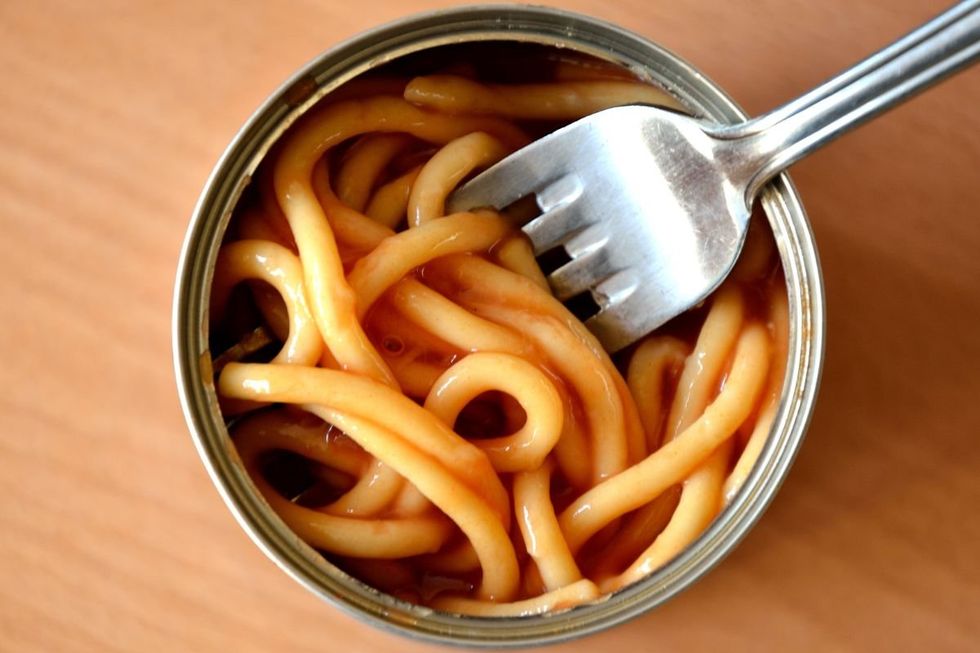
Products listing more than five ingredients likely qualify as ultra-processed
|GETTY
Dr Bonaccio emphasised total consumption matters more than any single food item.
"Focusing on the diet as a whole and reducing ultra-processed foods overall and shifting consumption toward fresh, minimally processed, home-cooked foods is the most meaningful and beneficial approach for health," she advised.
For those seeking practical guidance, she recommended scrutinising labels, with products listing more than five ingredients likely qualify as ultra-processed.
Our Standards: The GB News Editorial Charter