









Warm weather has triggered an early start to hay fever season across the UK, with tree pollen levels soaring to "very high" readings in recent days.
Sufferers are reporting symptoms weeks early after weeks of gloom and rain finally gave way.
Many of Britain's 18 million hay fever sufferers have begun sneezing and experiencing runny noses as pollen counts surge.
Experts say the sudden change in weather conditions is responsible for the premature arrival of allergy season.
Professor Jonathan West, a plant pathologist and aerobiologist at Rothamsted Research in Hertfordshire, explained the phenomenon.
"The warm weather will have suddenly intensified what is being released from trees by advancing flowers that would normally have taken longer to develop," he said.
"In addition to that, the conditions of dry, sunny weather with a reasonable breeze are also ideal for pollen release, so I expect there would have been quite a high peak of those tree pollens nationally today."
The combination of warmth and gentle winds created perfect conditions for trees to release their pollen.

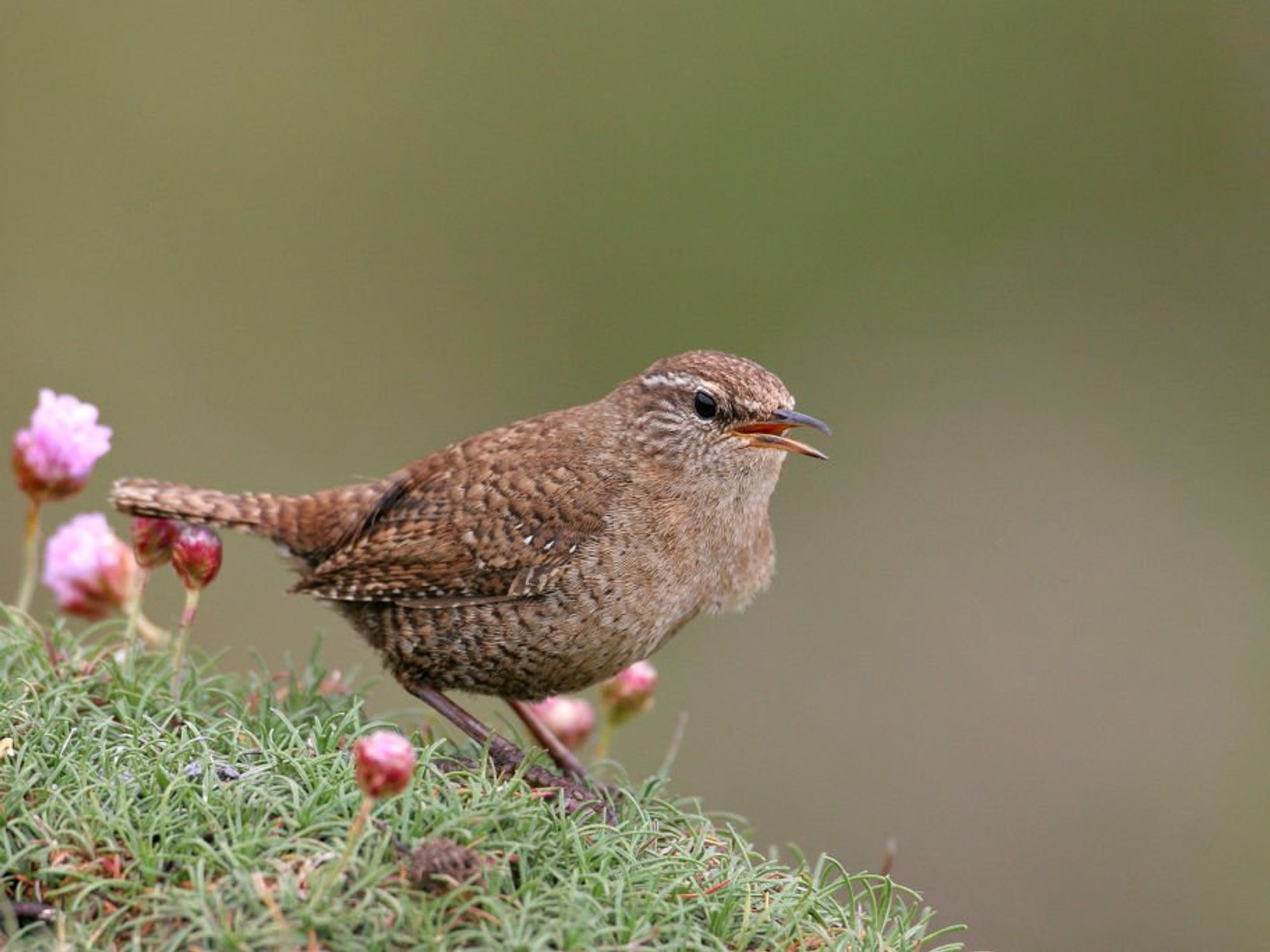
Many of Britain's 18 million hay fever sufferers have already begun sneezing and experiencing runny noses as pollen counts surge (file photo)
|GETTY
Prof West noted that rain and lower pollen levels are forecast for Thursday.
Wednesday saw the UK's highest temperature of the year so far, with the mercury hitting 18.6C at Kew Gardens in London, according to Met Office data.
Around a quarter of hay fever sufferers react to tree pollen.
Birch is the main culprit for most cases - though its pollen typically does not appear until March
Hazel trees begin releasing pollen from mid-February, according to Allergy UK.
LATEST WEATHER HEADLINES:
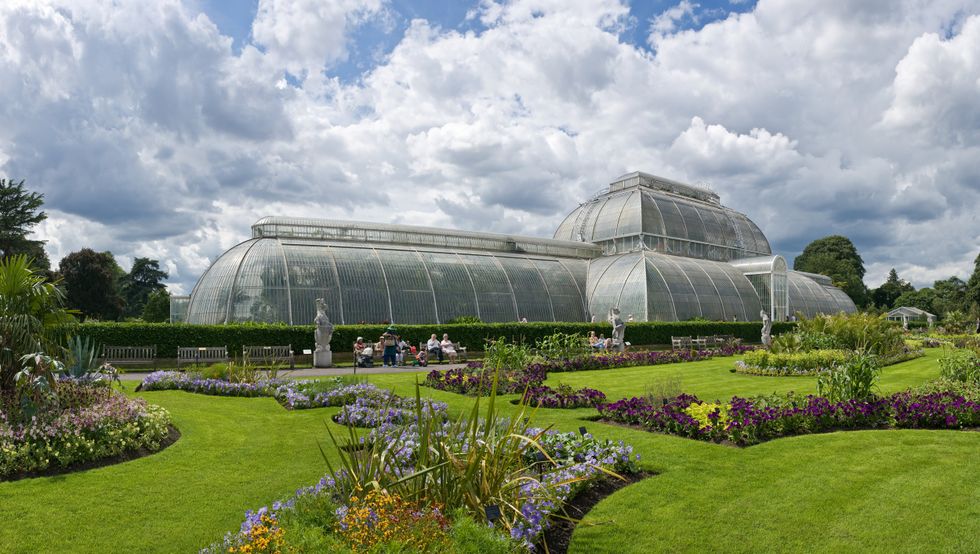
The mercury surged to 18.6C at Kew Gardens in London
|WIKIMEDIA COMMONS
However, experts believe flowering alder trees - closely related to birches - are behind the recent surge in pollen levels.
"If you're allergic to birch pollen you might also be allergic to alder pollen," Dr Matt Smith, a senior lecturer in geography and environment at the University of Worcester, said.
Dr Smith added that the sudden swing in conditions raised the potential for "lots of alder trees to start flowering".
For those allergic to birch, an "early and severe" alder pollen season could worsen their symptoms at the height of the traditional hay fever season, he added.
Allergy UK advises those affected to stay indoors when pollen counts are high - and even tells hay fever sufferers that wearing a mask outdoors can help reduce exposure.
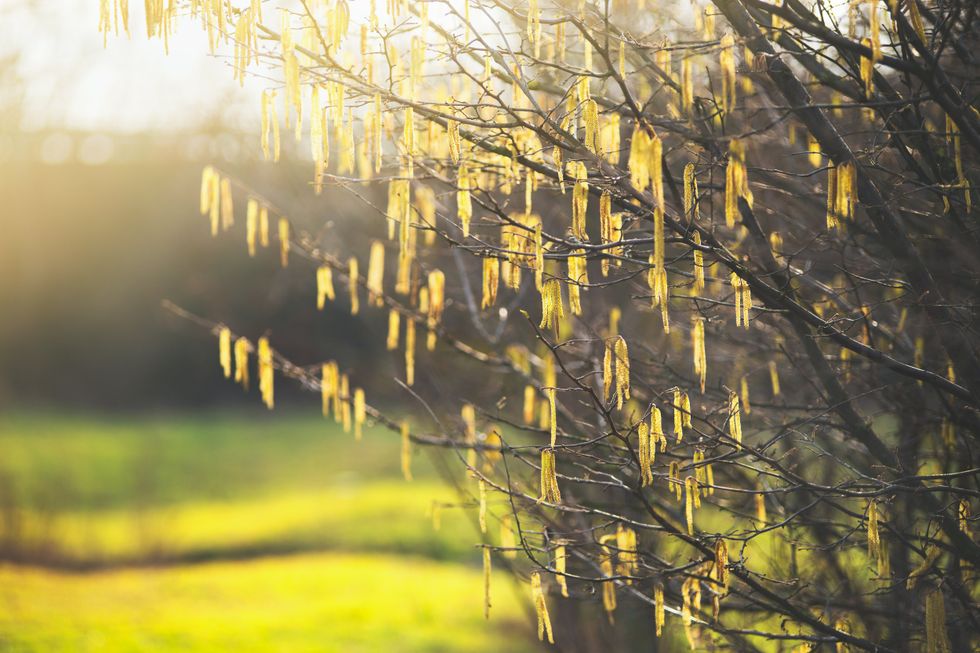
Experts pointed to alder trees as a contributor to Britain's surging pollen levels
|GETTY
The pollen season usually begins in southern Europe before moving northwards, reaching Britain in March.
Though by the start of the next month, Prof West has said the wet weather is likely to return - while the Met Office has forecast rain and lower pollen levels as soon as Thursday.
Dan Harris, the chief forecaster at the Met Office, said: "A brief period of southerly winds has drawn in some warmer and drier air.
"This has enabled cloud to clear across many parts of England and Wales, and with the sun at this time of year beginning to gather a bit of strength it has warmed the air that bit more."