







The first major update to Windows 11 of the year is here. And it's already causing major issues.
Windows 11 is the only version of Microsoft's desktop operating system that's still supported. It was originally released in October 2021 as the successor to Windows 10, with a bold new design for the Start Menu, new features, and a focus on AI assistant, Microsoft Copilot.
The latest update to Windows 11, released on January 13, 2026, was designed to add security improvements to its Enterprise and IoT devices. However, this backfired as it came with a few bugs, majorly disrupting the functions.
For starters, users are unable to fully shut down or put their PC to sleep.
This is particularly bad for your device, as it can wear down your drive and RAM much faster. It can even cause you to lose your files if it's forced to shut down or its drained of its battery before saving them.
Users have also found that they have been unable to sign-in into their device when using Remote Desktop. This lets you securely connect to and control another computer remotely, as if you were sitting in front of it, transmitting its screen, keyboard, and mouse activity over a network — ideal for work-from-home setups.
The good news? Microsoft has already released a patch for both of these issues.
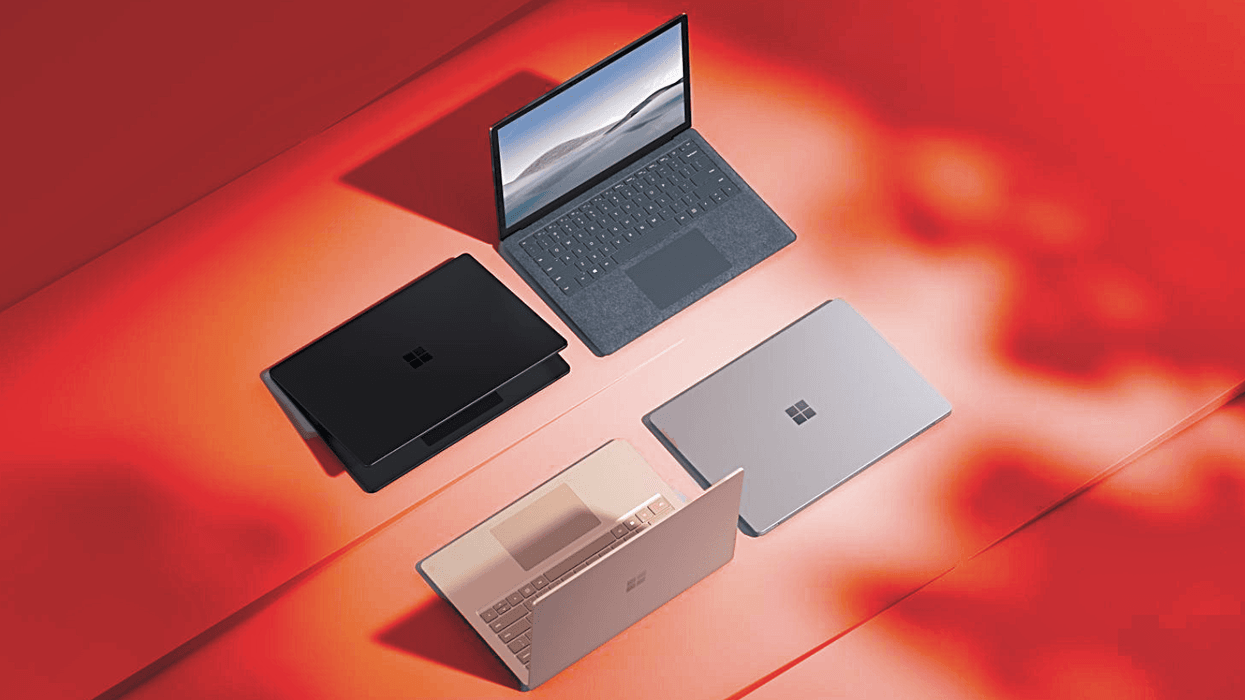
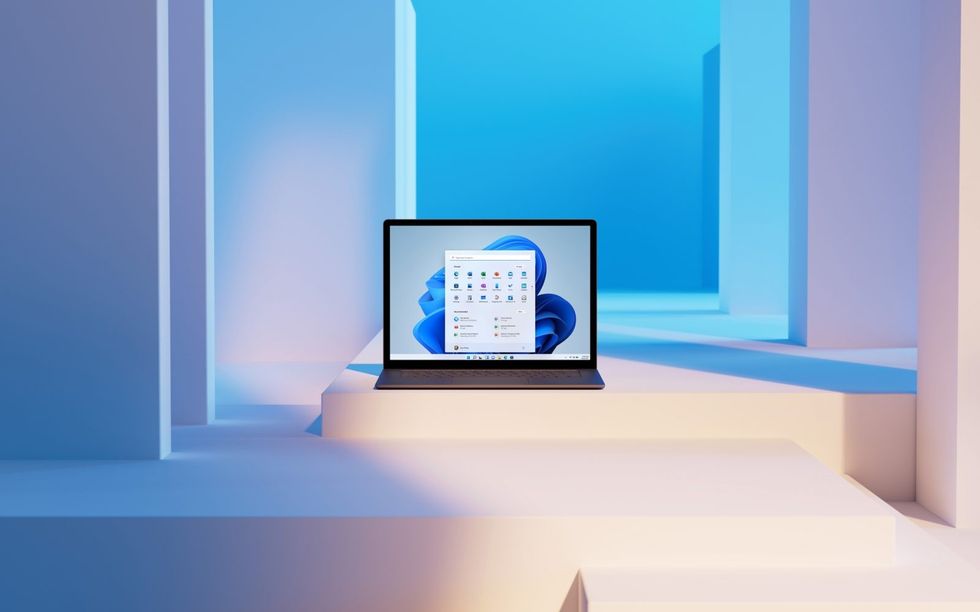 Windows 11 was released in October 2021, but the upcoming deadline on Windows 10 is pushing millions to upgrade, or they'll miss out on the new updates | MICROSOFT PRESS OFFICE
 Dubbed KB5077797, this update is built to remove these issues as if they've never happened. While the patch should automatically be found across PCs with Windows 11 installed, Microsoft has also released a step-by-step guide on its online site to ensure it can be correctly downloaded.
However, this isn't the only issue Microsoft has faced in the past few months. Just a few months ago, Microsoft rushed out an emergency fix for Windows 11, where a mandatory update caused a glitch that stopped mice and keyboards from working.
Microsoft could also be undergoing tough new competition as Google plans to launch an "incredible" new rival to Windows 11 later this year that combines Android and ChromeOS. This would feature a new desktop operating system that could directly compete with both Windows and MacOS.
The timing of the recent announcement may not have come at a worse time for Microsoft, either, as criticism for its most recent Windows operating system appears to be growing.
, Microsoft is no longer issuing free software updates to Windows 10, which would fix vulnerabilities, bugs, and critical glitches
| MICROSOFT SURFACE PRESS OFFICE | GBNFor instance, an enraged PC owner sued the technology firm for ceasing updates to Windows 10 last year.
If you missed the memo, starting from October 14, 2025, onwards, Microsoft no longer issued free software updates to fix vulnerabilities, bugs, and critical glitches within its Windows 10 desktop operating system.
Without these, Microsoft has warned anyone who continues to use Windows 10 will be left "at greater risk for viruses and malware". Once a flaw in the operating system has been uncovered, hackers can continue to exploit the vulnerability in millions of PCs with no fear that Microsoft will issue a fix.
Beyond these troubling security concerns, compatibility issues will mount. Microsoft recently extended support for its own 365 applications, like Word, Excel, and PowerPoint, but these apps have since also lost support shortly after the October deadline. If you're reliant on a third-party developer to maintain support on a very specific Windows application, you might find resources are moved elsewhere.
If you're looking to upgrade your existing device, Windows 11 offers a modern, streamlined design with centred taskbar icons, rounded corners, and improved performance.
It also features enhanced multitasking tools like Snap Layouts, deeper Microsoft Teams integration, and optimised support for gaming and touch-screen devices.
However, not every existing device is compatible with Windows 11.
LATEST DEVELOPMENTS
If you're looking to install Windows 11, which is free to anyone who has a legitimate version of Windows 10 installed on their PC, a computer must have a 64-bit processor, at least 4GB of memory (RAM), 64GB of storage, and specific security features like UEFI firmware with Secure Boot and a Trusted Platform Module (TPM) version 2.0.
For those who don't know, the TPM is a small hardware component designed to enhance security. It stores sensitive information, such as encryption keys and passwords, securely, protecting against malware and unauthorised access.
Rather than everyone racing to switch to Windows 11 as soon as support ended, a record number of users took a step backwards and switched to Windows 7 — an operating system two versions behind even Windows 10. Some users have claimed that they aren't a fan of the newer Windows 11 design and are finding that Windows 7 allows their PCs to run much faster.
Comment
byu/Justurandomdude from discussion
inwindows7
Comment
byu/Justurandomdude from discussion
inwindows7
However, switching to Windows 7 doesn't solve the biggest problem with Windows 10. Since Microsoft has also ended support for this operating system, it no longer receives regular security updates, meaning any vulnerabilities discovered in the software will remain for the foreseeable future.
Windows 7 launched worldwide in October 2009 and sold over 630 million copies before it was superseded by Windows 8 in October 2012.
More From GB News