


All products and promotions are independently selected by our experts. To help us provide free impartial advice, we will earn an affiliate commission if you buy something. Click here to learn more







Britons have been downloading VPNs in record numbers over the past six months, pushing many of the best VPNs — and even free VPNs — to the top of the app charts.
One reason behind the surge is growing concern about online privacy and data tracking with the recent implementation of the Online Safety Act. A VPN encrypts your internet connection and hides your IP address, making it harder for websites, advertisers, or third parties to track your activity online.
At the time of writing, VPN apps are dominating both Google’s Play Store and the Apple App Store, highlighting just how quickly demand for these privacy tools has grown.
In this guide, you’ll discover what a VPN is, how it protects your online activity, and the many ways it can benefit you—whether that’s keeping your browsing private, securing your data on public Wi‑Fi, accessing content from abroad, or even finding better deals online.
 VPNs have long been essential downloads in enterprise, since they stop hackers, governments, and criminals from snooping on online activity or personal data. | EXPRESSVPN PRESS OFFICE
What is a VPN?
A Virtual Private Network (VPN) is software that protects and anonymises everything you do online. VPNs can conceal your online activities by routing traffic through an encrypted tunnel that connects to secure servers worldwide.
The most reliable VPNs employ the same encryption standard as governments in the United Kingdom and the United States, ensuring that even your Internet Service Provider (ISP) connected to Wi-Fi cannot record the websites you visit, the duration of your sessions on each site, or your current location. This protection extends to advertisers, trackers, and hackers, preventing them from monitoring your online behaviour.
Furthermore, personal information entered into online forms and sensitive data transmitted to and from your device will be safeguarded from hackers using strong encryption provided by a VPN.
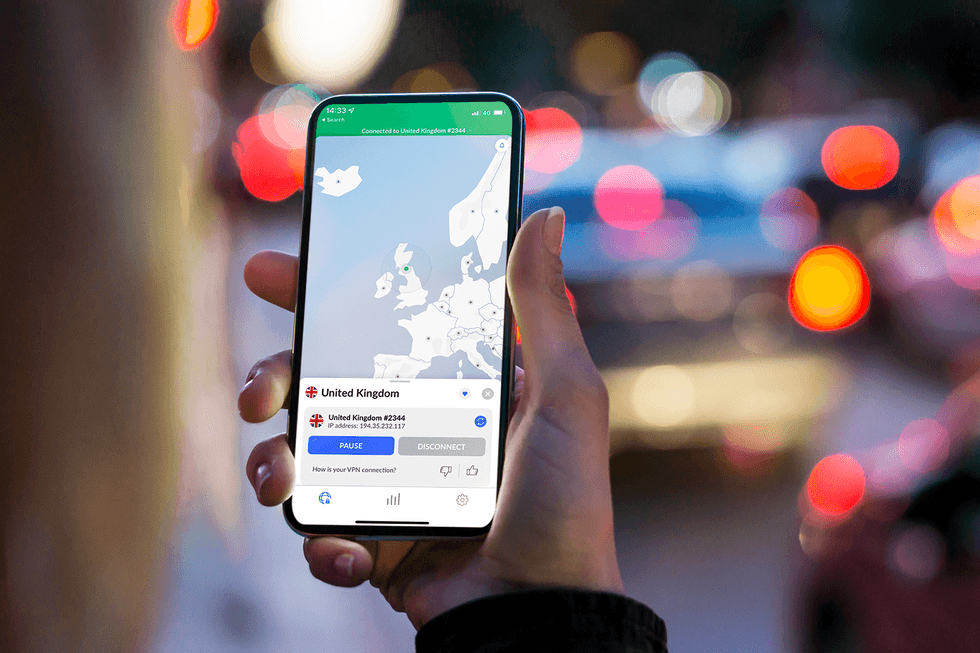 VPNs create an encrypted tunnel for everything you do online, keeping your personal data protected from cyber criminals, advertisers, and governments | NORDVPN PRESS OFFICE
 Why are VPNs used?
One of the main reasons users have turned to using VPNs over the past decade is online privacy. Your internet service provider (ISP) can see much of your internet traffic, including the websites you visit — even if you’re using Incognito Mode.
A VPN helps shield this information from your ISP while also masking your IP address. This can add an extra layer of protection against hackers or other third parties who may try to intercept your data, particularly when you’re using public Wi-Fi.
You can use a VPN for professional purposes, for personal privacy, or both. However, VPNs have evolved beyond simply protecting your online activity.
They’ve also become a popular tool for savvy bargain hunters looking to save money on software and services, including flights, hotels and subscriptions. By changing your server location to another country, many websites assume you’re browsing from that region and may display prices in a different currency, which can sometimes result in cheaper deals than paying in British pounds.
VPNs aren’t just useful for saving money, though. They can also help you access geo-blocked content while travelling.
For example, if you regularly watch streaming services such as BBC iPlayer, you might find you’re unable to access your usual content when you’re outside the UK.
A VPN can help by masking your IP address and allowing you to connect to a UK-based server. This makes it appear as though you’re browsing from the UK, so you can continue watching the shows and series you normally enjoy.
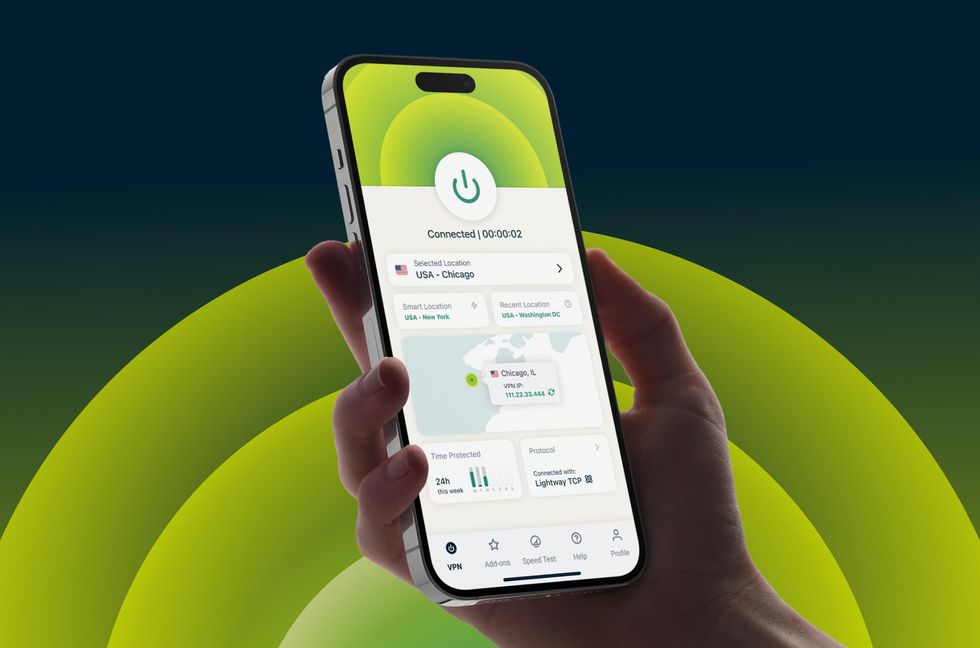 ExpressVPN cloaks everything you do online – including the complete list of websites, and how long you spend visiting each one — with military-grade encryption so that even your broadband firm can't track what you're doing online | KAPE TECHNOLOGIES PRESS OFFICE
 What VPN should you use?
If you’re looking for a premium VPN service that doesn’t have data caps, has a no-logs policy for a great price, ExpressVPN is one of our top recommendations.
This VPN has earned top marks from industry experts like CNET and TechRadar, specifically for its high-performance servers that deliver dependable streaming regardless of your location. In a recent ExpressVPN review, it was put through its paces and proved to earn a top spot in the best VPN deals.
As we mentioned above, it also runs virtual servers in India, so your privacy is 100% safe.
Subscription costs begin at £1.74 monthly, allowing you to secure up to 14 different gadgets. Users can tap into a massive infrastructure of 3,000+ servers spanning 105 nations. Its custom Lightway protocol is a standout feature, designed to boost speeds for uninterrupted viewing.
The software is compatible with virtually every platform, from PCs and smartphones to Smart TVs. Even consoles like Xbox and PlayStation, which typically don't support VPNs, can be covered via the MediaStreamer tool. With 10-Gbps network speeds, it handles gaming and high-definition videos with ease.
Security-wise, it offers military-grade encryption and a strict no-logs commitment. Because it is based in the British Virgin Islands, it operates outside the Five Eyes surveillance alliance, meaning it cannot be forced to share user data with UK or US authorities. While it is a premium-priced option, the 30-day refund policy provides a risk-free way to test its capabilities.
ExpressVPN also works on Linux, Mac, Windows 11, and Windows 10 and phones – perfect for any device you may have.
Secure your data privacy with ExpressVPN at its lowest ever price

With its new multi-tier subscription structure, ExpressVPN has never been more affordable
If you want to unlock the ExpressVPN Basic plan, which offers unlimited access to its award-winning reliable and ludicrously speedy VPN servers across the globe, it has cut monthly subscriptions by 80%.
If you sign up for a 12-month plan, you'll be gifted with a generous 4 months of access to the award-winning VPN service for free. That equates to under 6 pence per day!
Benefits of ExpressVPN
ExpressVPN is particularly well-suited for streaming as it boasts VPN server locations in 105 countries, providing access to global coverage. It offers ultra-fast speeds on a 10-Gbps network, essential for high-quality streaming without buffering.
With military-grade encryption, a strict no-logs policy, and features like split tunnelling and a kill switch, your online activity stays private.
Based in the British Virgin Islands — outside Five Eyes jurisdiction — it avoids mandatory data retention laws, which means that even if the company were collecting data (it's not), law enforcement from the UK and US would be unable to compel ExpressVPN to hand over any information about its subscribers.
LATEST DEVELOPMENTS
ExpressVPN supports a wide range of devices, including smartphones, tablets, laptops, smart TVs, and routers. There's no limit on the number of ExpressVPN apps that you can download on your devices, and with a single subscription, you can connect to the VPN on up to 10x gadgets at the same time.
It also has a dedicated team that optimises the service for major streaming platforms. Round-the-clock customer support is available if you encounter any issues during race weekend.
 A Virtual Private Network (VPN) is software that protects and anonymises everything you do online. | UNSPLASH
 Are VPNs legal?
VPNs are legal. If you've been issued a company laptop to work remotely, the IT department will likely require you to use a VPN before you start a shift. Needless to say, this isn't against the law.
But while VPNs were once solely used in enterprise and government spheres, these apps are becoming increasingly popular with people across the world to improve personal online security. As all of us rely on the internet for more and more of our daily lives, VPNs are an essential way to enhance privacy, block advertisers from tracking your movements, unlock streaming TV shows and sports coverage, and even find cheaper flights.
VPNs, however, are illegal in 10 countries: China, Russia, Belarus, North Korea, Turkmenistan, Uganda, Iraq, Turkey, UAE, and Oman. If you're currently based in any of these nations or plan on visiting one soon, consider uninstalling any VPN apps from your devices.
Outside of these countries, VPNs are legal and can be used without restrictions.
But while it might be legal, it's worth noting that using a VPN might be against the Terms Of Service of some websites or mobile apps, so it's always worth checking the T&Cs to make sure you're in the clear.