










Education Secretary Bridget Phillipson has approved a £23million initiative that could see artificial intelligence tutoring systems deployed in secondary schools as soon as this summer.
The controversial programme will focus on pupils aged 13 to 15 from disadvantaged backgrounds, with selected technology firms permitted to trial their products in pilot schools before a wider rollout at the end of next year.
Ms Phillipson argues the scheme will transform private tutoring from something only wealthy families can access into a resource available to every child who requires it, The Mail on Sunday reports.
The Government claims AI-powered learning tools could benefit approximately 450,000 pupils across the UK by bridging the gap between those whose parents can afford private tuition and those who cannot.
TRENDING
Stories
Videos
Your Say
Critics have responded with fierce opposition to the initiative, accusing ministers of treating vulnerable young people as test subjects for unproven technology.
Molly Kingsley, co-founder of the campaign group SafeScreens, said: "While framing the programme as levelling the playing field, the DfE has also overlooked the teacher-led support these vulnerable pupils need most."
She accused the Education Secretary of declaring the tools safe before they had even been designed or tested with teachers.
"This seems to be the DfE prioritising cost savings over proven education," Ms Kingsley said. "This is not equity but a false economy set to experiment on disadvantaged children."
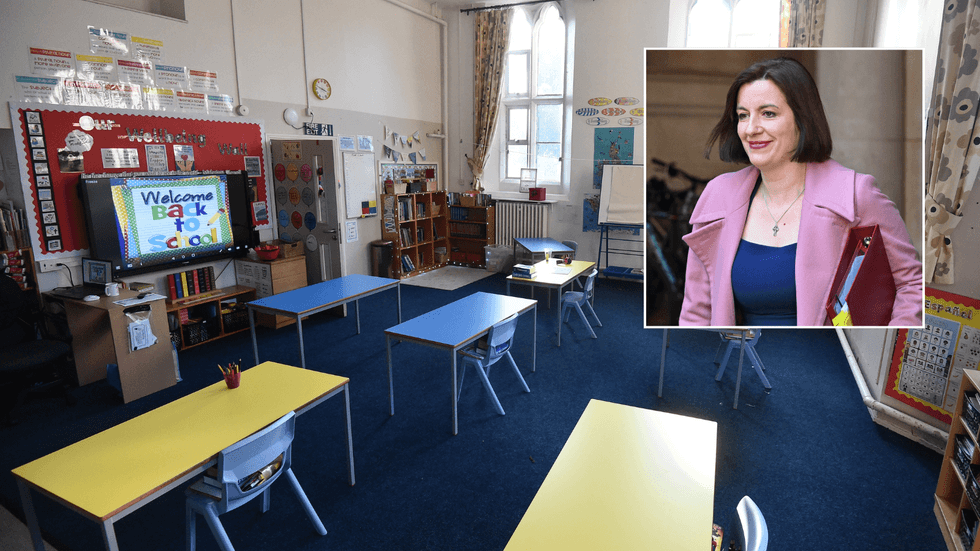
Bridget Phillipson has approved the use of AI tutoring in classrooms
|GETTY
Campaigners and education unions have united in warning AI cannot replace face-to-face teaching and should only ever serve as a supplementary aid.
School leaders have raised particular concerns about the impact on pupils with special educational needs and disabilities.
Dr Nic Crossley, Chief Executive of Liberty Academy Trust, which operates three specialist schools for autistic children, warned AI cannot "replace or replicate the human side of teaching, especially for disadvantaged and SEND students".
He described the prospect of AI tutoring, even with teaching assistant supervision, as "particularly risky" because it threatens to diminish access to quality teacher interaction.
LATEST DEVELOPMENTS
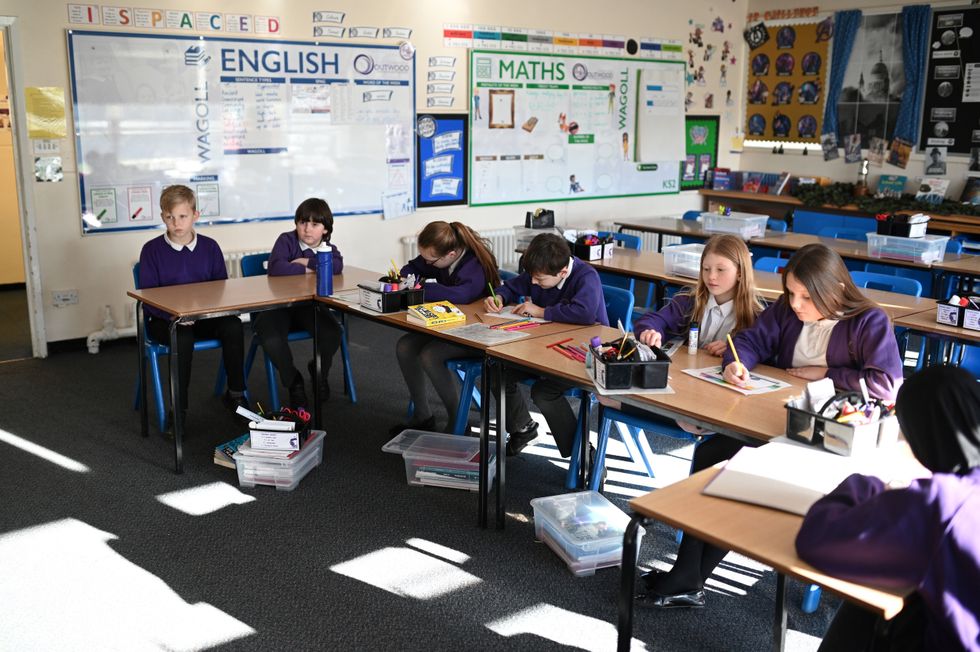
There has been a lot of concerns regarding the new scheme
|GETTY
"Given known issues with accuracy in AI systems, robust human monitoring would be essential," Dr Crossley added.
Jane Lunnon, Headteacher at Alleyn's School in South London, cautioned technology should only free up time for teachers to work directly with pupils.
"We lose sight of the human in the room at our peril," she warned.
Pepe Di'Iasio, general secretary of the Association of School and College Leaders, expressed disappointment ministers appear unwilling to revive a national tutoring programme despite acknowledging the significant benefits of one-to-one support.
"Closing the disadvantage gap is a huge task that cannot be done on the cheap, and while AI undoubtedly has some benefits, it must not be seen as the sole solution to such a complex, longstanding issue," he said.
The union leader emphasised AI is "no substitute for face-to-face teaching".
The Government formally opened bidding last week for companies to develop what it describes as safe, personalised AI tutoring tools intended to improve outcomes for disadvantaged pupils, with chatbots and progress monitoring systems among the technologies under consideration.
Our Standards: The GB News Editorial Charter