








Millions of Britons still need to make arrangements to continue making landline calls next year.
On January 31, 2027, the Public Switched Telephone Network – that's the traditional copper wire system that has connected British homes for decades – will be retired. You'll still be able to make calls on a landline phone, but the connection will travel over the internet instead of ageing copper cables.
It's a dramatic shake-up that should future-proof millions of UK households, boosting call quality and spam protection. Broadband-powered landlines also offer new functionality, like the ability to place incoming calls in a queue.
However, it's been revealed that thousands are unaware of this switch-off taking place in less than a year. In a recently commissioned poll from UK digital landline service Phonely, it's been found that nearly six out of 10 UK adults aged over 50 have no idea their old-fashioned phone line is being switched off for good.

Thousands of Britons are unaware of this switch-off taking place in less than a year.
| BT PRESS OFFICEOut of the over 4,000 participants, just over a fifth have already made the switch to internet-based calling, and nearly 15% say they'll wait until they're forced to act.
Around 5.2 million households across the UK were still relying on these traditional landline services as of late 2024, according to Ofcom figures. Those are high numbers for those who'll need to make changes before the deadline hits. Telecoms providers originally planned to retire the system by late 2025, but pushed the date back to give everyone more time.
Experts are sounding the alarm about what could happen if millions leave it until the last minute.
Bryn Thompson, Director at Phonely, said: "The extension to 2027 has created a false sense of security. The fact that nearly six in ten over-50s still don't know this is happening should concern everyone involved. If the majority wait until they're forced to move, we risk chaos at the eleventh hour."
The worry is that a rush of late switchers could trigger equipment shortages, long waits for engineers, and delays getting rural areas connected.
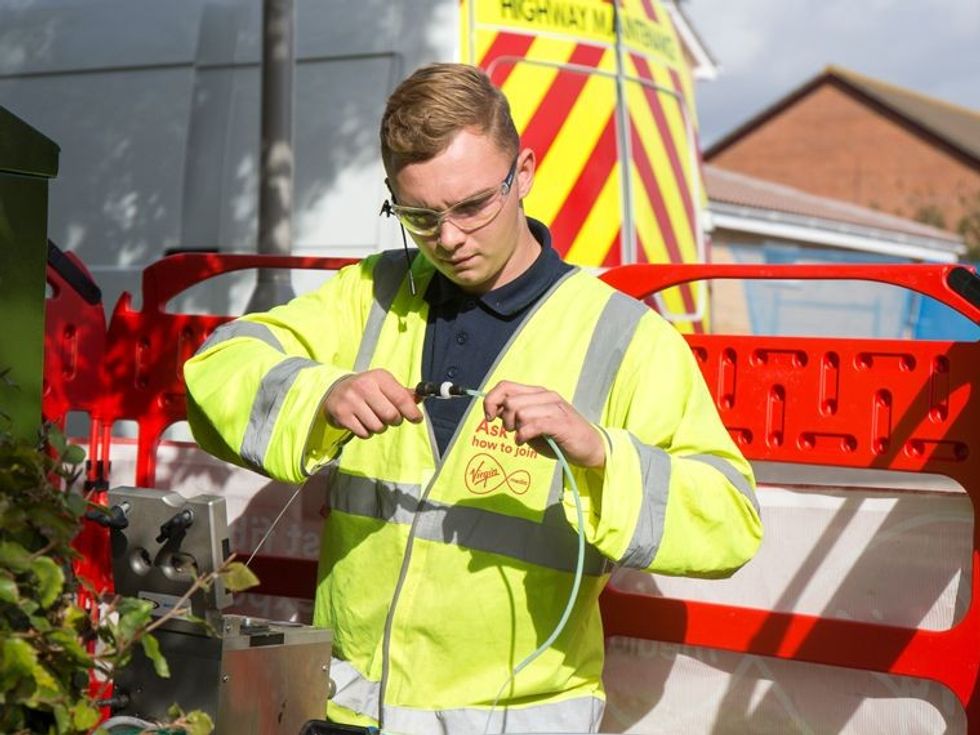
Around 5.2 million households across the UK were still relying on these traditional landline services as of late 2024, according to Ofcom figures
| VIRGIN MEDIA O2 PRESS OFFICEThe reason behind the shutdown stems from the ageing infrastructure, which has become expensive and difficult to maintain, and spare parts aren't even being made anymore.
There's particular concern for older people who depend on their landlines.
Dan Skipper, Chief Executive Officer of Age UK Norwich, said: "These changes prompt many questions for residents, and a lack of awareness may create unnecessary concern or worry, particularly for older people who are not online and rely on their landline for social connection and safety."
His advice? Speak to your telephone provider to understand your options and make sure they know if you have a telecare alarm or need extra support.
Many providers like Virgin Media O2, EE, Vodafone, Three, and more can explain what equipment you'll need and discuss battery backup solutions that keep your phone working during power cuts.
Rural areas face particular challenges with this changeover. One survey respondent from Scotland shared their concerns: "We live in rural Scotland. No fibre here just copper wires so haven't a clue what's going to happen to our landline which is a godsend when there's a power cut as if we're without power then the chances are the mobile mast on the hill is also off. No mobile and no broadband."
Another person who'd already been switched over explained: "I live in a rural area. Forcibly switched over. No mobile signal and regular power cuts leave us unable to communicate with any services, including emergency services."
LATEST DEVELOPMENTS
This isn't the only switch-off Britons are facing. The Government recently opened an investigation into the end of FM Radio.
The decision arrives as nearly three-quarters (74.6%) of all radio listening in Britain now happens via digital or online platforms, like Spotify and Apple Music, according to statistics from the Department for Culture, Media and Sport. The upcoming review will explore whether a digital switchover makes sense over the next decade, and if so, how quickly it should happen.
Additionally, millions could also be "forced into paying for broadband" if Freeview is made to shut down.
Under current UK Government policy, traditional over-the-air television is only guaranteed until 2034, although regulator Ofcom is reviewing whether this cut-off date should be extended.

Under current UK Government policy, traditional over-the-air television is only guaranteed until 2034
| EVERYONE TV PRESS OFFICEWhile streaming can be more convenient — and unlocks Sky Glass-like features like the ability to pause or rewind live television – there are downsides. Aside from the BBC licence fee, there is currently no cost when tuning into linear TV channels via an aerial. Likewise, if your home has a satellite dish fitted, Freesat lets you watch dozens of free-to-air channels at no cost.
But that isn't the case for broadband-based television, which requires an internet connection in your home.
You'll need a minimum connection speed of 10Mbps for Freely, with most broadband companies charging at least £10–£15 a month for the sort of speed you'll need to watch.
More From GB News