






More broadcasters have joined the fight to keep free-to-air television available in the UK.
The Great Network, which includes popular channels like Great! TV, Great! Christmas, and Great! Movies, to name just a few, has thrown its weight behind the Broadcast 2040+ coalition. The latter brings together over 35 organisations, including the Digital Poverty Alliance and Rural Services Network, and aims to safeguard traditional linear television and radio broadcasts for the long-term.
Downing Street is reviewing the future of television distribution in the UK. For free-to-air broadcasts to continue beyond the current 2034 deadline, the UK Government will need to extend multiplex licences to allow television channels to leverage the Digital Terrestrial Television (DTT) platform, more commonly known as Freeview, to broadcast over the airwaves nationwide.
Broadcast 2020+ brings together over 35 organisations and charities to try to strong-arm the UK Government into supporting traditional terrestrial broadcasts for another 15 years
|BROADCAST2040 PRESS OFFICE
There's no set deadline for the latest UK Government review, but the last time the DTT licences were up for renewal, the consultation ended in February 2021 ahead of an early 2022 deadline. In other words — we're unlikely to find out the outcome for a few years.
Ofcom published a report called Future of TV Distribution back in May 2024. One the findings was that Britons now spend less time watching broadcast television via DTT, leading to broadcatsers voicing concerns that "declining viewership on broadcast platforms over the next 10-15 year will create a tipping point at which the cost of distributing via DTT and satellite will exceed the benefits generated from being on those platforms."
The UK regulator highlighted that investment in a more efficient DTT service would be needed to continue broadcasts via Freeview alongside a gradual transition to streaming for free-to-air channels in the 2030s.
The industry is already pivoting towards a streaming-only future in the UK.
As well as major changes to BBC iPlayer, rival Channel 4 has shuttered five of its Freeview channels and told staff consider streaming before approving any new commissions.
Freely is developed by the same team behind Freeview and Freesat, but relies on broadband to deliver free-to-air channels from broadcasters like the BBC, ITV, and of course, GB News
| EVERYONE TV PRESS OFFICEITV has overhauled its broadcast business in a race to meet its target of 2.5 million ITVX Premium subscribers by 2026. The Netflix rival offers exclusive boxsets, early access to some of its biggest dramas, downloads for offline viewing on flights or abroad, and the ability to skip adverts for £5.99 per month.
But the biggest push towards an internet-only television arrived from Everyone TV last summer. A joint effort between the UK's biggest broadcasters ― the BBC, ITV, Channel 4, and Channel 5 ― to replicate the experience of watching Freeview and Freesat with only a Wi-Fi connection. Live free-to-air channels are streamed over broadband, so there’s no need to connect your TV to an aerial, meaning it can positioned anywhere in the home.
LATEST DEVELOPMENTS
At launch, Freely was only available on new Smart TVs built from the ground-up to support the IP-based platform, there's no pathway to upgrade a Freeview-compatible television to the newer system. But in recent weeks, French manufactur Netgem launched the first dedicated set-top box to bring Freely to any television.
While streaming can be more convinient — and unlocks Sky Glass-like features that weren't available with earlier free-to-view platforms, like Freeview or Freesat – there are downsides.
Aside from the BBC licence fee, there’s no cost when tuning into linear TV channels using an aerial. Likewise, if you have a satellite dish, Freesat lets you watch dozens of free-to-air channels at no cost.
That’s not the case when the primary delivery method for live television is broadband.
Ofcom figures show that roughly one in ten households — that’s 2.4 million across the UK ― find it difficult to afford their current broadband subscription.
The Broadcast 2040+ coalition, which is bringing together smaller broadcasters and charities, is determined to ensure that you'll still be able to access television channels, regardless of what technology you have at home. The numbers tell a powerful story about why protecting free-to-air matters.
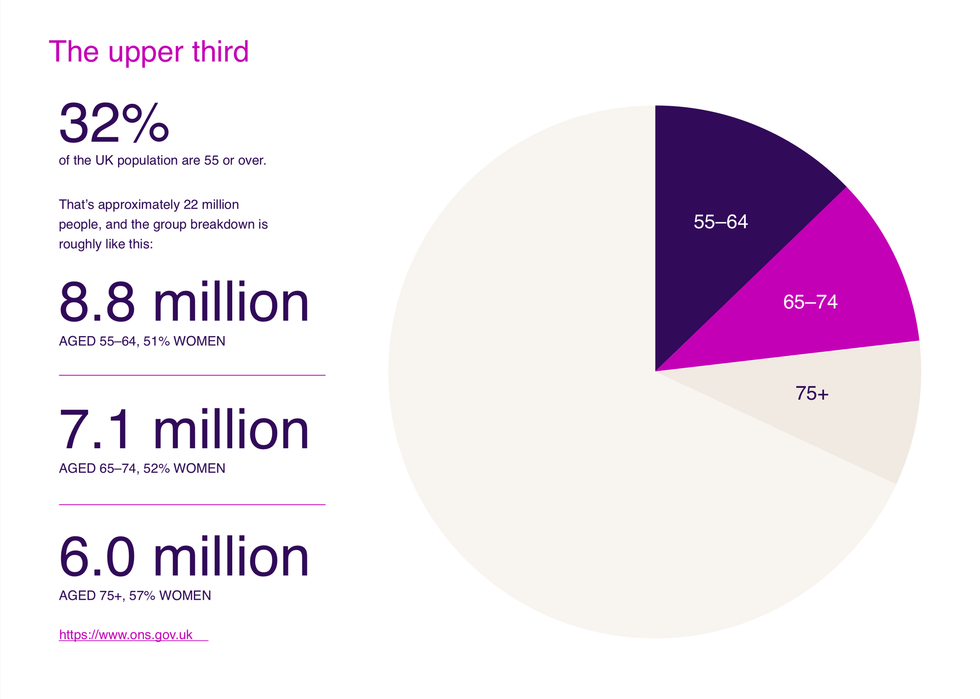
The Great Network commissioned research into its audience and the importance of free-to-air television channels, dubbed The Upper Third, a reference to the segment of its viewership that's most invested in traditional broadcasts
|GREAT NETWORK
If you're over 55, you're part of an overwhelming majority – Barb ratings reveal that 93% of people in your age group tune into broadcast television weekly. Research from The Great Network, dubbed The Upper Third, found that viewers love terrestrial television for three main reasons:
- It doesn't cost anything, beyond the £174.50 annual licence fee
- You don't need to faff about with logging in or remembering passwords for streamers
- For countless people across Britain, especially older people, it provides companionship
Speaking about the decision to join the Broadcast 2040+ coalition, Marketing Director at Great Network, Kate Gartland said: "TV plays such an important role in everyday life. It’s company, it’s nostalgia, it’s comic relief. And it’s vital that we don’t jeopardise that. This isn’t about being scared of technology changes – we know our audiences well, and we know that they’re very comfortable with tech.
"But that doesn’t mean that they all have the latest TV, a reliable high-speed internet connection, and the means to suddenly begin paying for something they’ve known and loved, free, their entire lives. We want to see terrestrial TV backed for as long as possible."
The stakes are high enough that MPs have already gathered to champion the importance of broadcast television. Leading the charge is the Rt Hon. David Mundell, MP for Dumfriesshire, Clydesdale and Tweeddale.
A representative of the Broadcast 2040+ campaign told RXTVinfo.com: "Great! is committed to ensuring viewers continue to access a rich and diverse range of well-loved content simply and without additional costs – a goal that the Broadcast 2040+ campaign shares.
"We are united in our belief that the future of terrestrial TV will not and should not end in 2034, and that this vital service must continue to serve audiences across the UK into the 2040s.”
If you prefer to watch television via a broadband connection, the Great Network does offer access to its channels via its dedicated Great! Player, which is available across a range of IP-based services.
More From GB News