









Scientists have confirmed that asteroid 2024 YR4 will not collide with the moon, ending months of speculation about a potential impact in 2032.
Fresh observations reveal the 100-metre-wide space rock will pass our lunar neighbour at a safe distance exceeding 20,000 kilometres.
"The moon is safe, 2024 YR4 poses no danger, but the work continues," the European Space Agency declared following the findings.
Earlier calculations had suggested a 4.3 per cent probability of the asteroid striking the moon, raising concerns that debris from such an impact could disrupt navigation and communications satellites orbiting Earth.
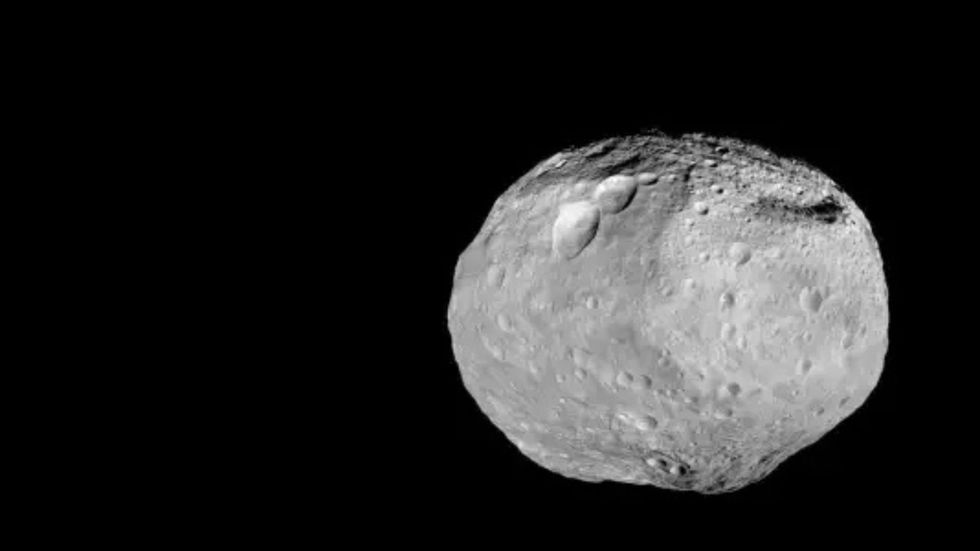 Medium-sized asteroids pose a particular challenge as they are much more difficult to detect and could cause devastation | NASA
The asteroid was first detected in December 2024 and quickly earned a reputation as one of the most hazardous space objects identified in recent decades.
Initial assessments indicated a 3.1 per cent likelihood of the asteroid colliding directly with Earth in 2032, prompting fears of a "city killer" scenario.
Subsequent observations swiftly eliminated the threat to our planet, but astronomers then calculated that the moon faced a 4.3 per cent chance of being struck instead.
While a lunar impact would pose no direct danger to Earth, scientists warned that material ejected from such a collision could potentially interfere with satellite systems used for navigation and communications.
Astronomers had anticipated waiting until 2028 to precisely determine the asteroid's path, when it would return within Earth's viewing range.
However, an international research team identified two five-hour observation windows in February when the James Webb Space Telescope could track the object.
"[Asteroid] 2024 YR4 is exceedingly faint right now, reflecting about as much light as an almond at the distance of the moon," said Dr Andy Rivkin of Johns Hopkins University and Prof Julien de Wit of Massachusetts Institute of Technology, who co-led the observations.
"Webb is the only observatory that could hope to make these measurements, as it is the only one with the required sensitivity and stability combined with precise moving-target tracking needed to follow and study objects like this."
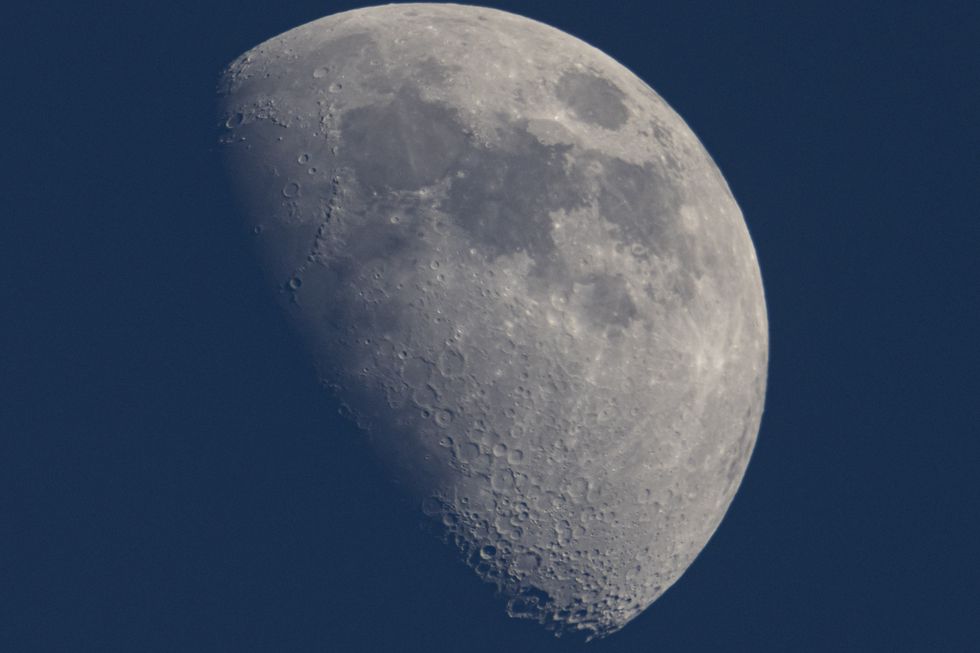
Astronomers had anticipated waiting until 2028 to precisely determine the asteroid's path
| GETTYProfessor Colin Snodgrass, a planetary astronomy expert at the University of Edinburgh, acknowledged mixed feelings within the scientific community about the outcome.
"It would've been a very interesting science experiment but probably, given the small risk of debris, it wouldn't be one we'd want to try out," he said. "Some of us in the scientific community might be a little disappointed."
Mr Snodgrass noted that increasingly powerful telescopes such as the James Webb and the Vera Rubin Observatory mean more potentially concerning objects will be spotted in future.
"We might get these brief scares slightly more often," he added. "But we also have the technology to track these things much better and will normally be very quick to rule them out."
The ESA's Planetary Defence team confirmed it would continue monitoring near-Earth objects to ensure humanity is never caught off guard by a genuine threat.