










A ground-breaking new study has revealed how future Mars inhabitants may sustain their long-term survival on the Red Planet.
Fresh research from Strathclyde University has examined how a potential human population could secure reliable water supplies on Earth's neighbouring planet.
Dr Vassilis Inglezakis, from the university's Department of Chemical and Process Engineering, published his findings in the Advances In Space Research journal.
The research compared various water extraction technologies that could be deployed in Martian conditions.
His analysis concluded that ice deposits located beneath the planet's surface represent the most practical long-term water source for sustained human presence.
Atmospheric moisture harvesting emerged as a potential alternative where underground ice cannot be reached.
Mars offers several potential sources of water for future explorers, the study found.
These include ice buried underground, moisture contained within the soil, and water vapour present in the thin Martian atmosphere.
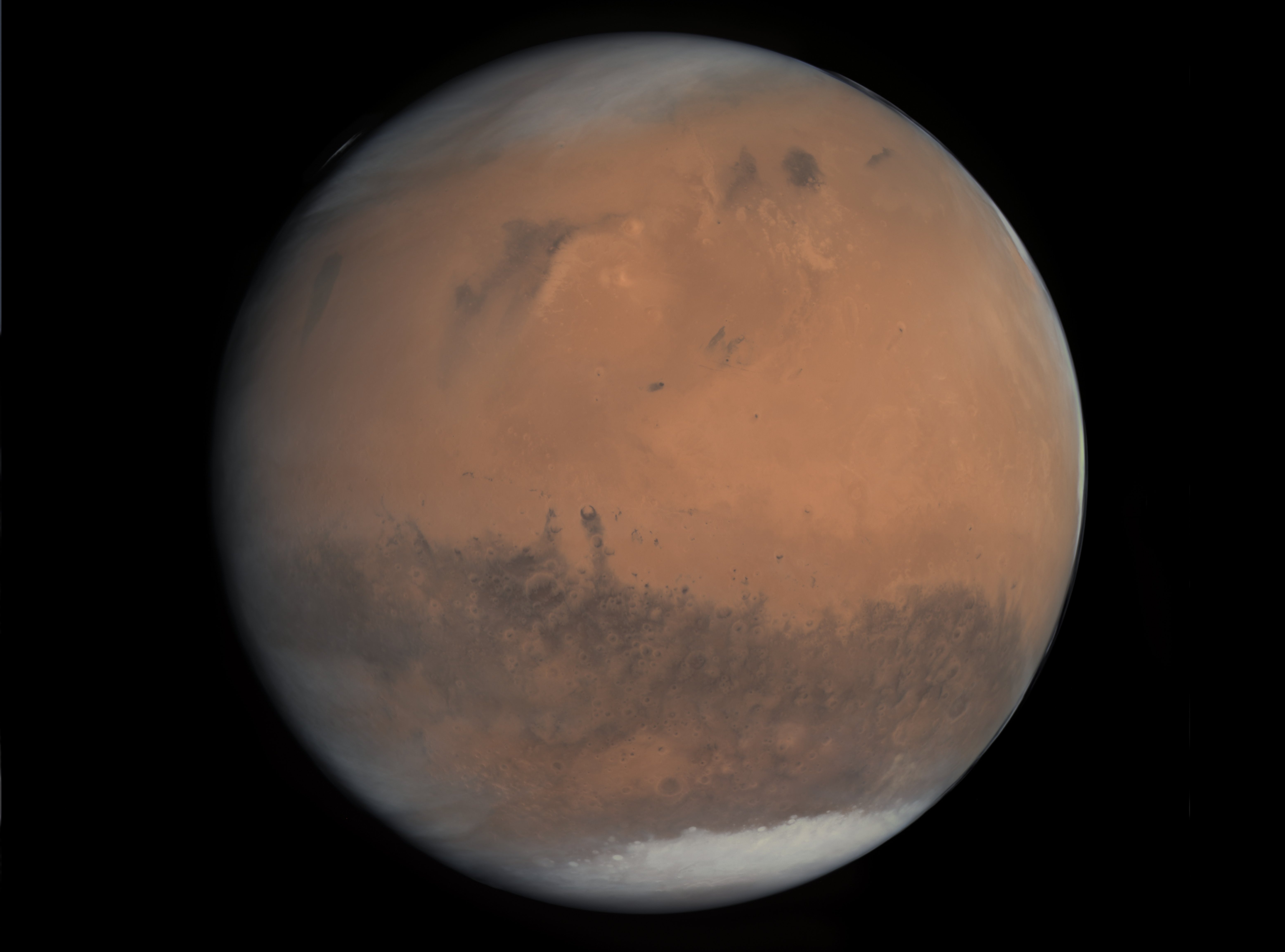
Mars offers several potential sources of water for future explorers, the study found
| GETTYHowever, Dr Inglezakis's research identified a significant practical obstacle.
Accessible ice deposits are unlikely to exist close to the locations where spacecraft would touch down.
This geographical challenge means mission planners may need to consider alternative extraction methods depending on where astronauts establish their bases.
"Reliable access to water would be essential for human survival on Mars, not only for drinking but also for producing oxygen and fuel, which would reduce dependence on Earth-based supplies," he explained.
SPACE - READ THE LATEST:
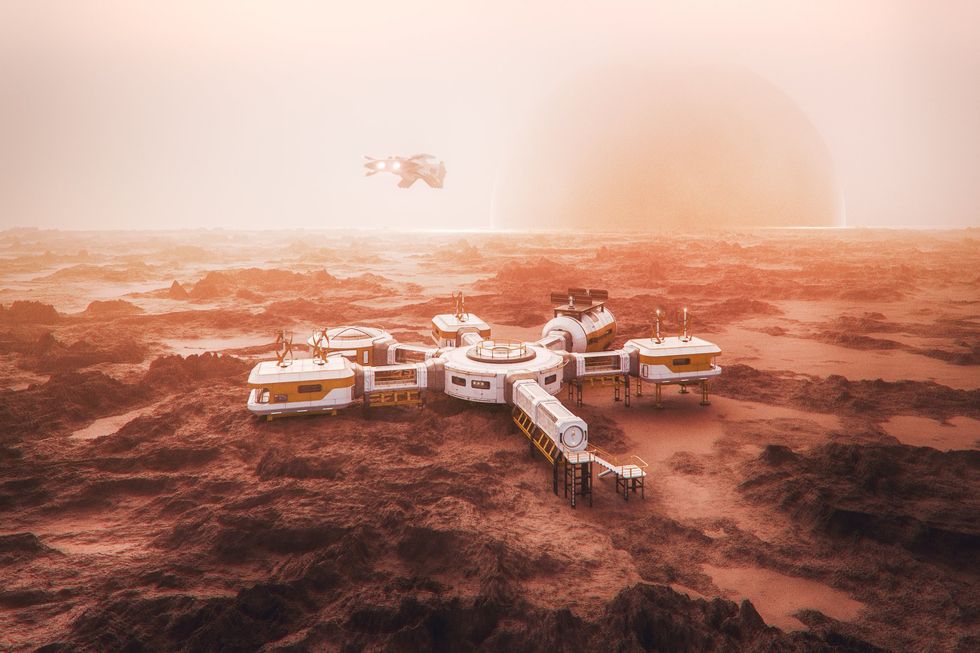
Artist's impression of a Martian human settlement
|GETTY
Dr Inglezakis added: "This study is one of the first to compare the various technologies that could be deployed to recover water in a Martian environment.
"It also puts forward new ideas for atmospheric water harvesting, offering potentially valuable alternatives where other sources are inaccessible."
Extracting water from the Martian atmosphere poses greater challenges due to higher power and energy requirements.
Nevertheless, this approach could serve as a backup supply or provide water in regions where subsurface ice remains out of reach.
The research aims to help future space exploration become more self-sufficient and sustainable
|GETTY
The paper evaluated each technique based on energy demands, scalability, and how well suited they are to varying conditions across Mars.
Dr Inglezakis said: "While the search for water continues and much of Mars remains unexplored, a clear understanding of available technologies and their realistic applications will be key to supporting sustained missions and eventual settlement."
The research aims to help future space exploration become more self-sufficient and sustainable.
Space X owner Elon Musk has previously suggested that humanity could establish its first self-sustained city on the Red Planet by the 2050s.