








A British-built satellite capable of seeing through walls from space is set to be rocketed into the sky this week.
The spacecraft, developed by London-based firm SatVu, will travel aboard a SpaceX Falcon 9 rocket from California on March 29.
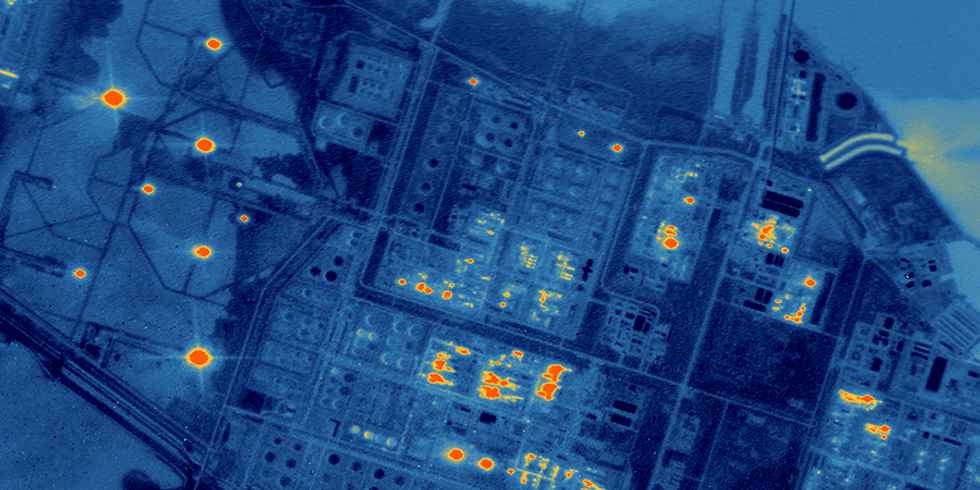
The satellite's infrared cameras produce images 30 times sharper than those generated by Nasa's Landsat spacecraft.
As a result, SatVu has already received £30million in backing from Nato.
And with war raging in the Middle East, intelligence agencies could use the technology to monitor activity within targets like Iran's nuclear facilities and weapons manufacturing plants.
The firm's thermal imaging technology works around the clock, functioning equally well in daylight and darkness.
Its precision could let analysts determine whether nuclear reactor pumps are operational and whether vessels are being loaded with cargo.
"High-resolution thermal data is no longer a 'nice-to-have'; it is a fundamental requirement to complete geographical intelligence assessments," said Anthony Baker, SatVu's chief executive.
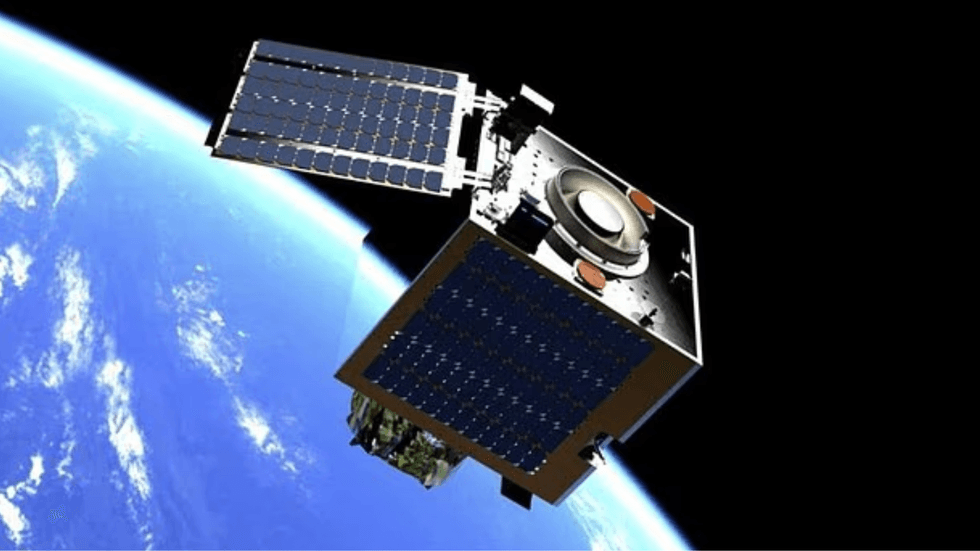
The satellite will travel aboard a SpaceX Falcon 9 rocket departing from California on March 29
|SATVU
"Unlike thermal data captured from airplanes or drones, SatVu can capture data from any point on the Earth's surface, including inaccessible or restricted areas, and it can do this in a uniform way."
The company has already demonstrated its capabilities by capturing imagery showing heightened activity at North Korea's Yongbyon Nuclear Scientific Research Centre.
Photographs taken over a three-month period revealed thermal emissions from reactors and warmer water being discharged from a pumping station.
SatVu has secured contracts with the US Government, Japan, and several European countries, including Poland.
SPACE - READ THE LATEST:
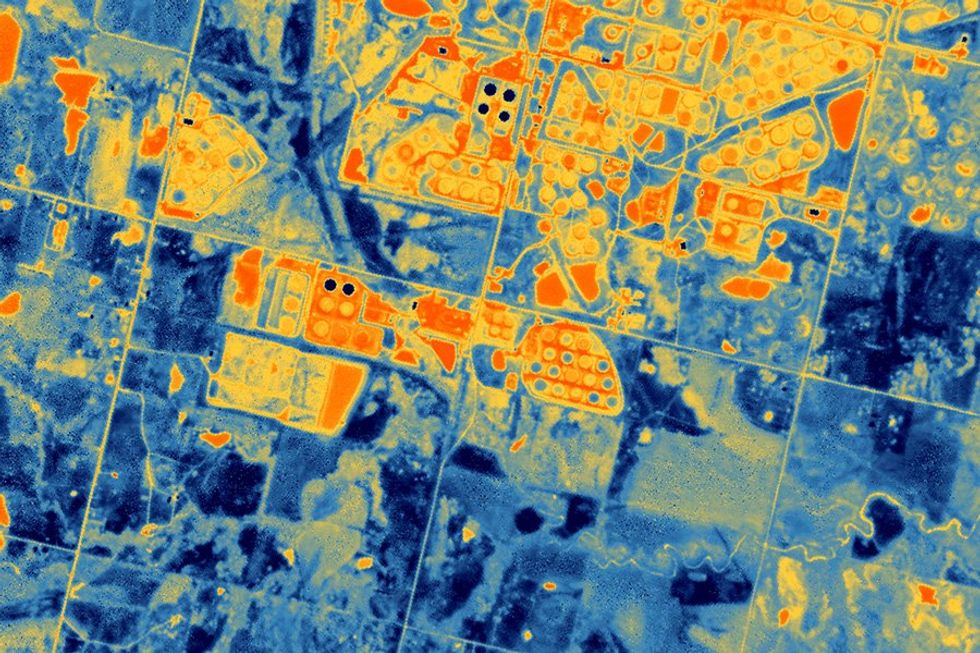
The firm's thermal imaging technology functions equally well in daylight and darkness
|SATVU
However, the firm has yet to sign an agreement with the British Government - despite being headquartered here, and receiving official support.
"HotSat-2 is designed to measure what's operating, what's idle and how these patterns change over time, whether it is day or night," Mr Baker said.
"With the satellite now integrated for launch, we are moving closer to delivering a dependable new intelligence layer from orbit.
"We need that capability in the UK."
UK space minister Liz Lloyd hailed the venture as a 'shining example of British innovation'
|SATVU
The chief executive has called for greater commitment from the Government, stressing that Britain "needs to be further behind us" as the company grows.
UK space minister Liz Lloyd has hailed the venture as a "shining example of British innovation".
She said: "The ability to monitor thermal activity from orbit, around the clock, opens up remarkable possibilities for national security, climate resilience and market intelligence.
"This is exactly the kind of bold, ambitious technology Britain is leading the world on."