










An endangered butterfly species has achieved record population numbers at a British nature reserve after an ambitious conservation effort.
Worcestershire Wildlife Trust recorded more than 700 wood white butterflies at Monkwood last year, marking a significant recovery for the species, which all but vanished from the site in 2008.
The insects, which project officer Rhona Goddard described as a "very dainty, tiny little white butterfly", had struggled due to demanding habitat requirements.
Ms Goddard explained the butterflies were "very, very particular in terms of the habitat they require", but through dedicated work by trust staff and volunteers, the ancient woodland has been transformed into a thriving home for the species to thrive once more.
Funding from the National Lottery Heritage Fund in 2016 proved crucial to the restoration effort.
Ms Goddard noted the trust was "very lucky" to secure the financial backing, which enabled collaboration with local forestry specialists.
The reintroduction programme began with 10 males and 10 females being released into the woodland, where conservationists had carefully prepared suitable conditions for the butterflies.
Monkwood itself holds particular significance as a semi-natural ancient woodland celebrated for its diverse ground flora and butterfly populations, according to the trust.
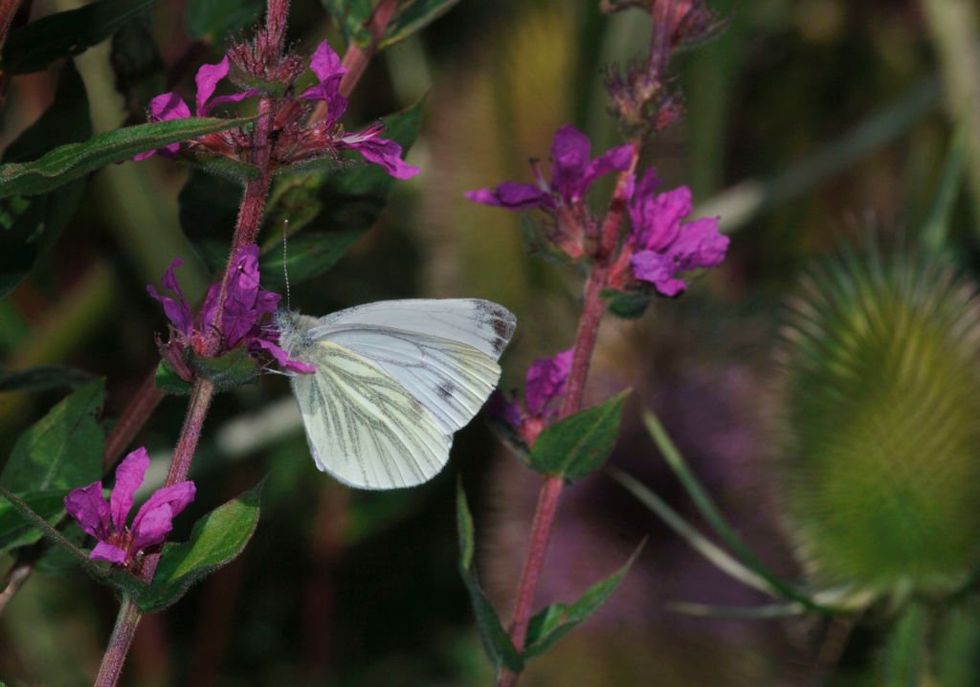
Since 1979, the species' abundance has decreased by a whopping 82 per cent
|GETTY
The site's existing ecological richness made it an ideal location for the wood white's return.
Despite their diminutive size, the butterflies are capable of travelling considerable distances, Ms Goddard noted, with their flight season typically spanning from May through to mid-August.
The species displays distinctive physical differences between sexes, with males bearing white dots on their antennae, while females lack any kind of marking.
LATEST DEVELOPMENTS
When potential mates encounter one another, they engage in an elaborate ritual.
"He bashes her either side I suppose with his proboscis, and she flicks his wings and he flicks his wings", Ms Goddard said to describe the courtship display.
The rare Wood White was recorded at four sites in Powys, Wales last year by the Butterfly Conservation, marking the first true comeback of the species, albeit in smaller numbers.
The species once had a permanent colony in south-east Wales before they died out, with only some "sporadic sightings" since.
Since 1979, the species' abundance has decreased by a whopping 82 per cent at its few remaining sites.
Butterfly Conservation said the species had suffered in recent years "because of human actions", but now there was new hope for conservationists, with a "real success story".
They also embarked on a four-year project to deliver new butterfly habitats at nature reserves in Worcestershire, Shropshire, Staffordshire, Warwickshire and Nottinghamshire.