







An American physician has warned that the rapid disappearance of insects worldwide could signal an approaching catastrophe for humanity.
Dr Joseph Varon compared the growing ecological quiet to moments in clinical practice when silence signals danger rather than recovery.
“In medicine, silence can be more alarming than noise,” he wrote in The Defender.
“A patient who abruptly stops voicing discomfort or a monitor that ceases activity may signal system failure rather than resolution.”
He said the same principle now applies to the natural world, adding that "the silence is deeply concerning".
Beetles, butterflies, moths, bees and other insects are vanishing at alarming rates, which Dr Varon described as a “critical red flag for ecological instability”.
Research from Germany has provided some of the starkest evidence of the decline.
A long-term study tracking flying insect biomass in protected areas found populations had fallen by more than 75 per cent by 2016.
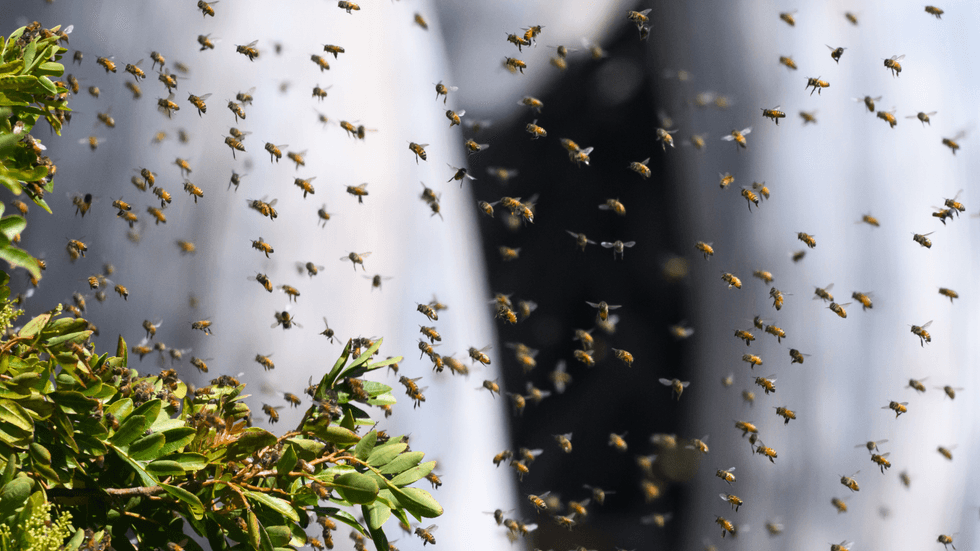
Flying insect biomass in protected areas found populations had fallen by more than 75 per cent
|GETTY
Crucially, the losses were recorded not in industrial regions but in nature reserves designed to safeguard wildlife.
Global assessments paint a similarly bleak picture, with more than 40 per cent of insect species now in decline.
“The current silence should not be interpreted as stability. It is a warning,” Dr Varon said.
Projections suggest that by 2030 as many as a quarter of all insect species could be lost or face severe risk, highlighting the pace of the collapse.
SCIENCE - READ THE LATEST:
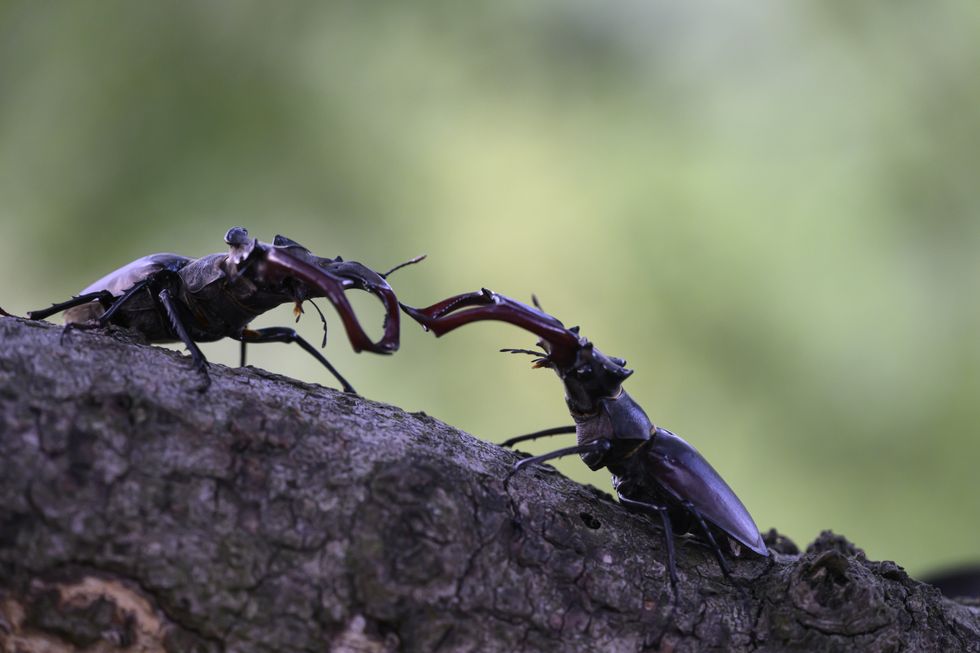
By 2030 as many as a quarter of all insect species could be lost or face severe risk
|GETTY
The decline poses a direct threat to the foods most relied upon by humans, including fruits, vegetables, nuts and legumes.
Dr Varon warned that the loss of pollinators would strip diets of essential nutrients, vitamins, minerals and antioxidants, weakening immune resilience and increasing the risk of chronic disease.
“Without insects, food systems collapse not just quantitatively, but qualitatively. Nutrient diversity declines. Resilience vanishes. Dependency on industrial inputs increases,” he wrote.
The physician illustrated the consequences through a clinical example.
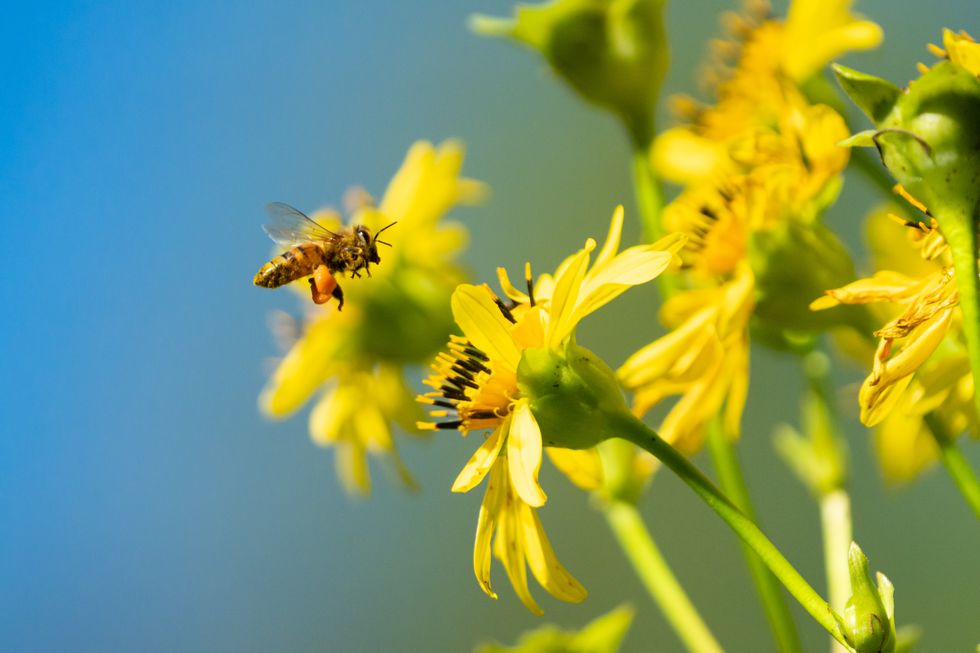
Dr Varon warned that the loss of pollinators would strip diets of essential nutrients
|GETTY
“Imagine a diabetic patient struggling with persistent slow-healing ulcers,” Dr Varon said.
“These wounds, resistant to typical treatment, become a vivid illustration of micronutrient decline due to pollinator loss.”
Deficiencies in nutrients such as vitamin C and zinc, both critical for immune function and tissue repair, show how ecological collapse can translate into real health outcomes.
Dr Varon urged doctors to integrate environmental health assessments into routine practice to better link ecological decline with human wellbeing.
He argued that swift action could help avert an ecological crisis while protecting future generations.
“Civilisations do not fall only from war or economics. They fall when the living systems that sustain them are quietly dismantled,” he warned.
Our Standards: The GB News Editorial Charter