







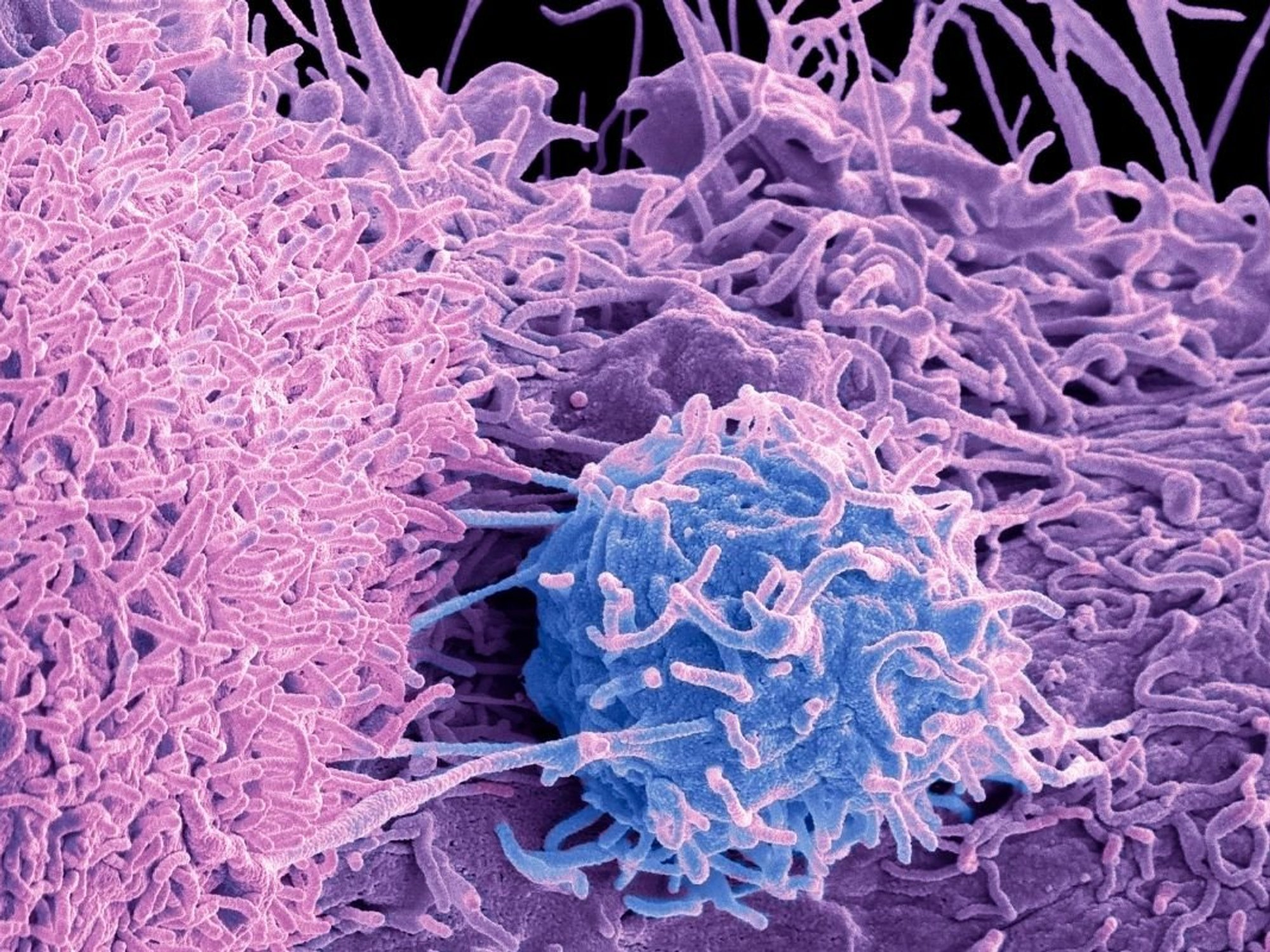

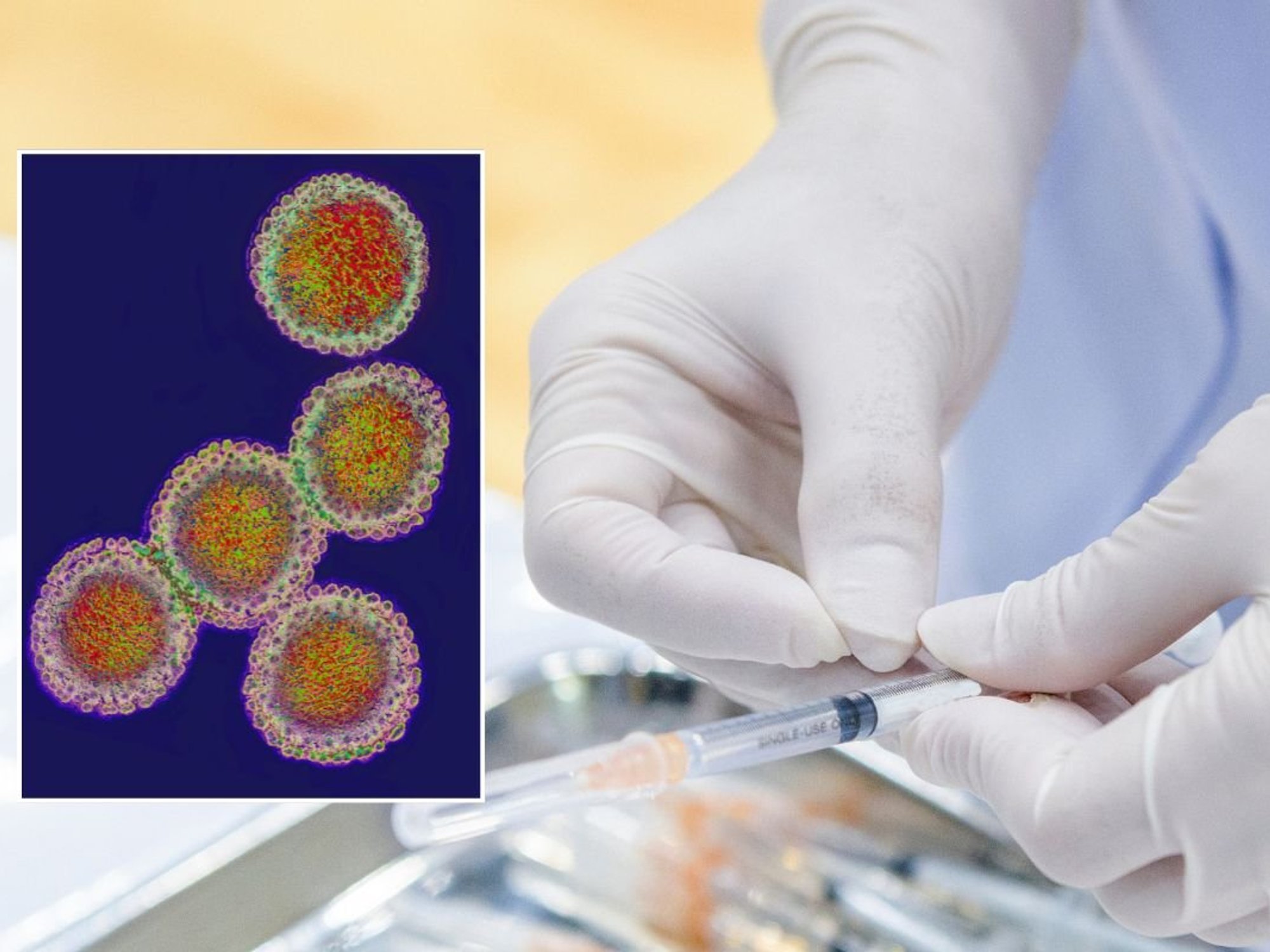
British health officials are maintaining close surveillance of a Nipah virus outbreak currently unfolding in West Bengal, India, where two cases of the potentially fatal infection have been confirmed.
The UK Health Security Agency has issued guidance urging travellers heading to affected areas to familiarise themselves with the warning signs and transmission methods of this dangerous pathogen.
Nipah virus causes severe brain swelling and carries what the UKHSA describes as "a very high mortality rate".
Initial reports had suggested more than five infections, though subsequent laboratory analysis narrowed the confirmed cases to just two individuals.

Nipah virus causes severe brain swelling
|getty
The virus, which the World Health Organisation considers to have pandemic potential, has never been detected on British soil.
Both the WHO and UKHSA have previously identified Nipah among the most significant future threats to global public health.
The infection typically proves fatal in between 40 and 75 per cent of cases, making it one of the deadliest viral diseases known to medicine.
Those who survive often face lasting complications, including persistent seizures and personality changes.
Symptoms generally emerge between four and 21 days following exposure, initially presenting as a non-specific flu-like illness accompanied by fever. Respiratory problems, including pneumonia, may subsequently develop.
The defining characteristic of Nipah infection is encephalitis, an inflammation of the brain, which typically manifests three to 21 days after initial symptoms appear.
"This is the hallmark of Nipah infection and is associated with a very high mortality rate," the UKHSA stated.
Professor Paul Hunter, an infectious diseases specialist at the University of East Anglia, noted that death rates have historically ranged from as low as nine per cent to as high as 90 per cent across different outbreaks.
Professor Hunter emphasised that despite the severity of individual cases, the likelihood of widespread international transmission remains minimal.
LATEST DEVELOPMENTS
"Although Nipah is a very serious infection, it is unlikely to pose a significant risk of global spread as the risk of person-to-person transmission is low," he explained.
"The R0 (the number of people that one infected person will pass on a virus to) is less than 1.0."
He cautioned, however, that complacency would be unwise given the virus's lengthy incubation period, which complicates border detection efforts.
Dr Efstathios Giotis, a molecular virology lecturer at the University of Essex, confirmed that patients have been placed in specialist infectious disease units with enhanced infection-control measures implemented across hospitals.
"Nearly 200 close contacts have been identified for monitoring, and surveillance has been expanded statewide to ensure rapid detection of any new cases," Dr Giotis said.
Nipah virus was first identified in 1999 when it emerged among pig farmers in Malaysia and Singapore.
Fruit bats serve as the primary reservoir for the pathogen, though evidence suggests it can also infect pigs, dogs, cats, goats, horses and sheep.
Human infections frequently result from consuming fruits or fruit products contaminated with bat excrement, urine or saliva, with raw date palm juice posing particular risk.
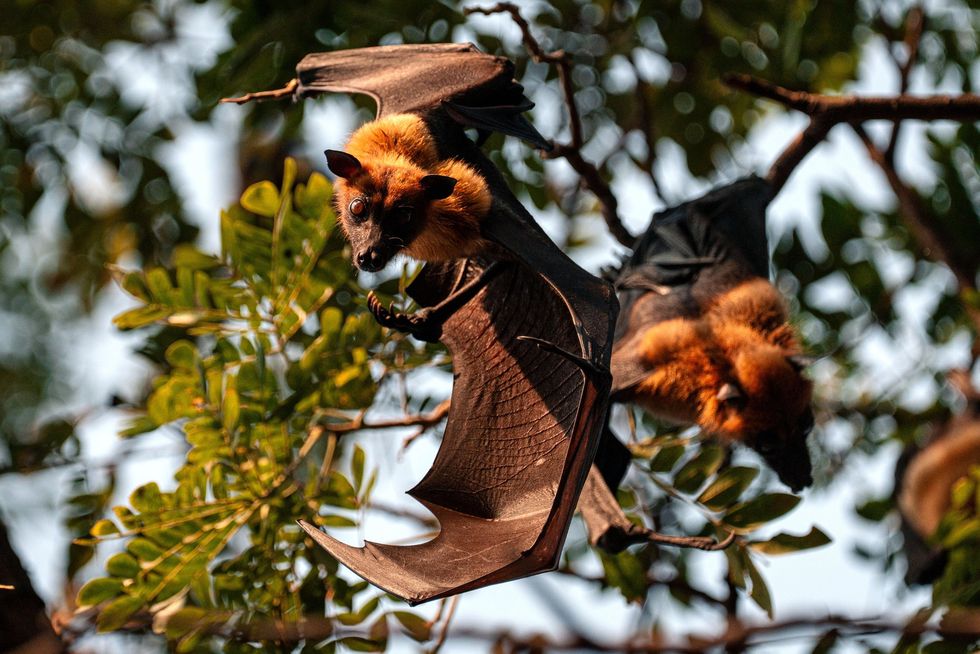
The virus is 'unlikely to pose a significant risk of global spread'
|GETTY
Direct person-to-person transmission through close contact with infected individuals or their bodily fluids has been documented in both Bangladesh and India.
No proven treatment currently exists, nor has any preventative vaccine been licensed, though research continues.
Dr Giotis noted that similar small-scale outbreaks have previously occurred in West Bengal and Kerala.
"For the general population, the risk remains low," he said. "While vigilance is warranted, there is no evidence to suggest a broader public health threat at this stage."
Our Standards: The GB News Editorial Charter